12:46 PM Built-In vs. Freestanding Refrigerators: Repair Differences |
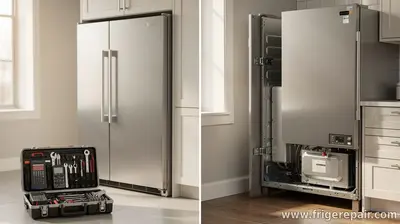
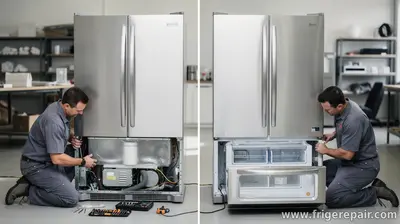
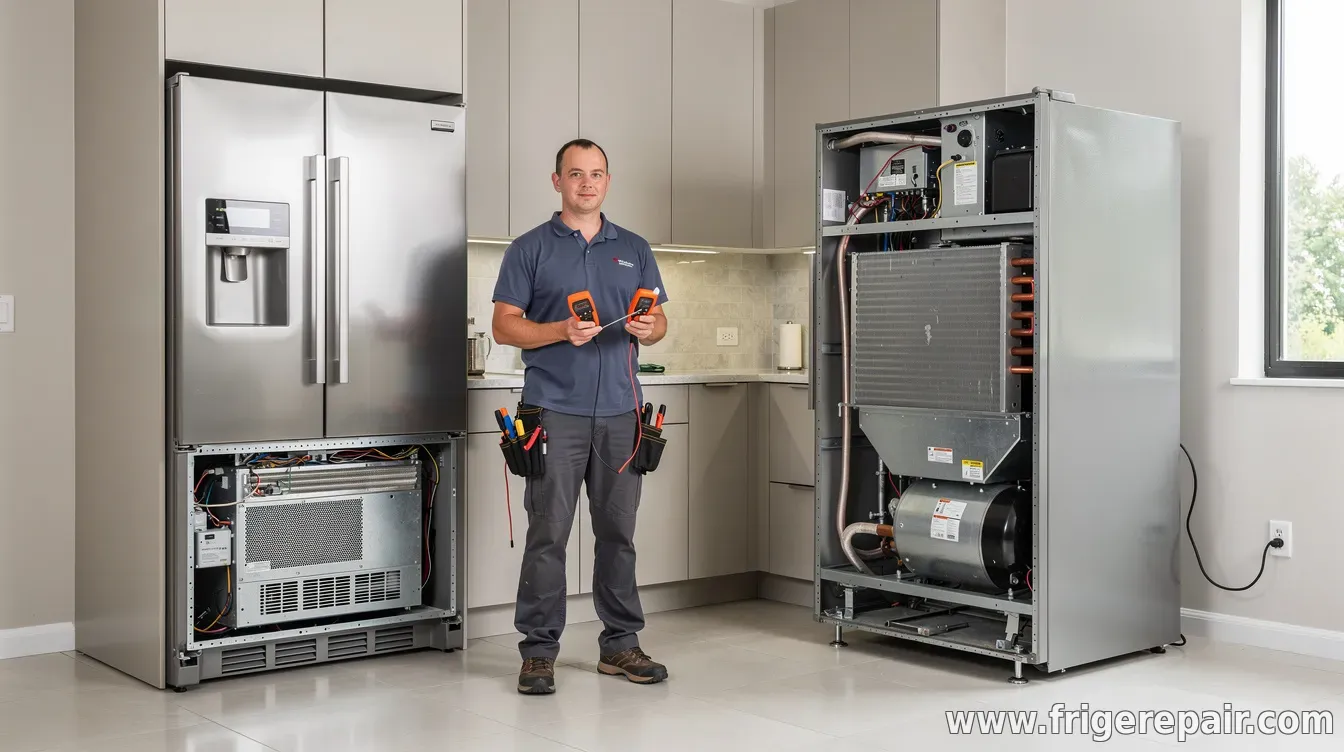 Homeowners often treat “refrigerator repair” as one category—yet built-in and freestanding models frequently require different diagnostic approaches and replacement parts. The biggest factor is how the units are installed: freestanding refrigerators sit with open clearance around them, while built-in models are designed to blend into cabinetry and may have restricted access behind or above the appliance. Access and serviceabilityFreestanding refrigerators are usually easier to service because technicians can reach the rear panel, compressor area, water lines, and ventilation components with minimal disassembly. In contrast, built-in refrigerators may sit flush to surrounding cabinetry, limiting access to the back and sides. That can increase labor time—especially if the installer left tight gaps, used custom cabinetry panels, or requires removing trim to reach components. Because of this, a repair that’s “routine” on a freestanding unit (like checking a fan motor or inspecting rear wiring) may require more steps on a built-in model, such as partial panel removal or careful clearance management around cabinetry. Installation and ventilation impact repairsFreestanding models typically have more forgiving airflow conditions because they’re installed with standard clearance. Built-in units, however, rely on specific venting requirements to manage heat and maintain cooling efficiency. If a built-in refrigerator was installed too tightly—or if cabinetry alterations occurred after installation—components like condenser fans, thermistors, or compressors can fail sooner. That means service visits may focus not only on replacing parts, but also on verifying correct ventilation and airflow paths, sometimes extending the repair scope beyond a single component. Parts and fitment differencesEven when both categories use similar technologies (inverter compressors, sealed refrigeration systems, ice makers, and electronic control boards), built-in and freestanding models can diverge in exact part dimensions and mounting hardware. Trim panels, door alignment components, airflow ducts, and integrated hinge systems may be proprietary to the built-in setup. Technicians may also need to confirm compatibility by serial number rather than relying on generic part cross-references. For homeowners, this can mean longer lead times for certain built-in-specific accessories, especially for custom or older cabinetry-integrated layouts. Common failure points: what tends to differMany refrigerator problems overlap—cooling performance drops, ice maker malfunctions, water leaks, or electronic control faults. Still, the “most likely” issues can vary by installation and design. Freestanding refrigerators more often present rear-access repairs such as condenser fan checks, rear harness faults, or simple clearance-related airflow issues. Built-in refrigerators more frequently involve cabinet-adjacent considerations: wiring routes that are harder to access, condensation concerns near integrated panels, and ice/water line runs that may be more constrained. Both types can develop sealed-system problems (compressor, evaporator, or refrigerant circuit issues), but built-in units may require additional removal work because the unit’s enclosure can make access more complicated. Cost and turnaround: why the same symptom can varyWhen two refrigerators show similar symptoms—like warm temperatures—the cost difference often comes from labor time, diagnostic complexity, and parts sourcing. Freestanding units generally allow faster visual inspections and quicker component swaps. Built-in models may require extra disassembly for access and may involve specialized parts that match the cabinetry design and door swing requirements. As a result, homeowners with built-in units should plan for the possibility of longer appointment times and potentially extended ordering windows for trim-related or model-specific components. What to tell a repair techTo speed up diagnosis, homeowners can provide a few details regardless of type, but they’re especially valuable for built-in models where access is limited. Include the brand, model number, serial number, and the installation context (e.g., whether the fridge is integrated behind cabinet panels). Note any recent changes—like renovations, water line adjustments, or power interruptions. Also describe the symptoms clearly: whether the ice maker is affected, whether the compressor cycles continuously, whether there’s visible moisture around panels, and how quickly temperatures changed. These clues help technicians distinguish between control-board faults, airflow issues, sensor problems, or potential sealed-system concerns. Ultimately, both built-in and freestanding refrigerators can be repaired effectively, but the path to a fix often depends on access, fitment, ventilation design, and part availability. Knowing which category you have—and what constraints it introduces—can help set accurate expectations for service time, troubleshooting depth, and replacement parts. |
|
|
Next & Previous posts
Related articles: