5:09 AM Signs Your Refrigerator Compressor Is Failing |
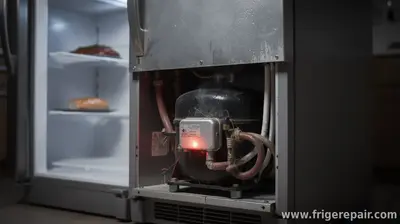
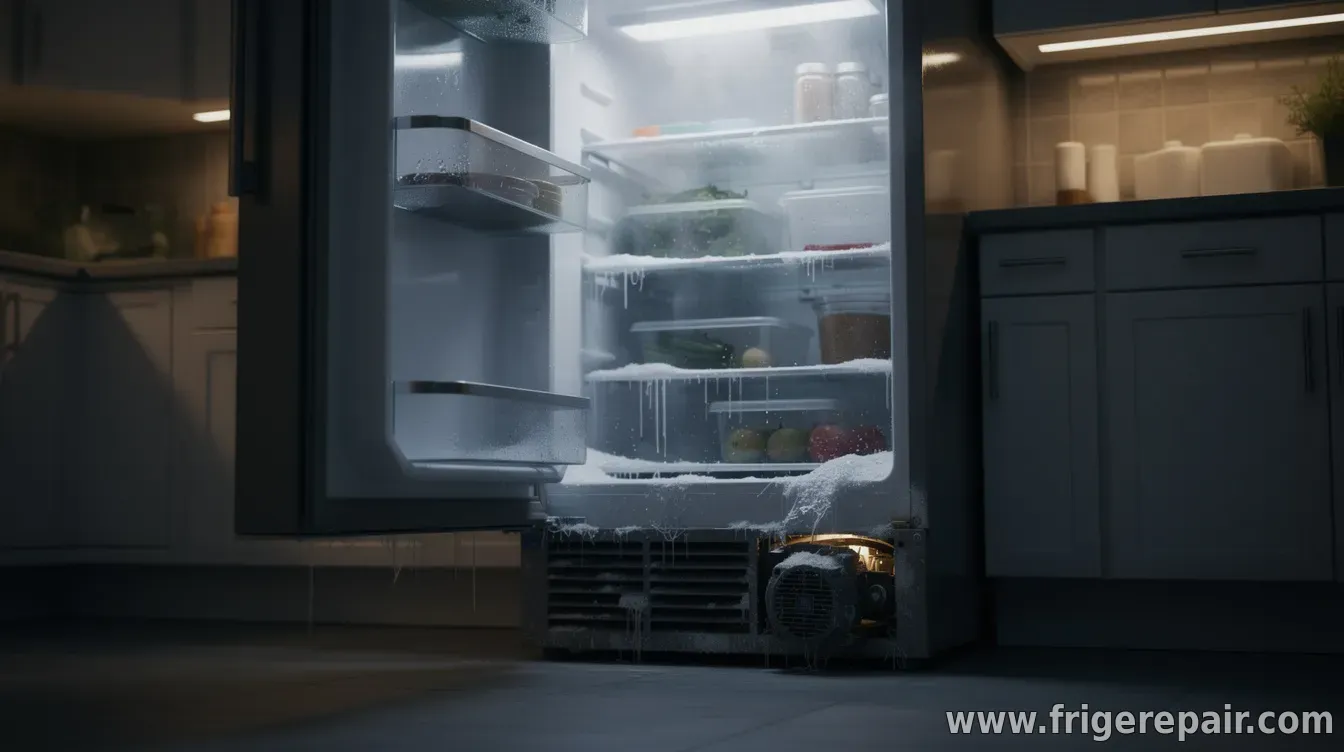 A refrigerator compressor is the “heart” of the cooling system, circulating refrigerant to keep your food at the right temperature. When it begins to fail, the symptoms can appear gradually—or suddenly—depending on the cause. Here are the most common signs that your compressor may be on its way out. 1) The fridge isn’t cooling (or cools inconsistently) If you notice the refrigerator section warming up, the freezer getting less cold, or temperatures fluctuating, the compressor may not be running long enough—or at full capacity—to move refrigerant properly. In some cases, the fridge may still start cooling briefly, then stop again. 2) Loud buzzing, clicking, or humming that changes over time Normal operation can include a low hum, but a failing compressor often produces louder or different sounds. You might hear repeated clicking, a sustained buzz, or a hum that becomes noticeably louder, shorter, or more irregular as the compressor struggles. 3) The compressor runs longer than usual If the compressor cycles on and stays running for extended periods—especially when the kitchen isn’t unusually hot—it may be working harder than it should. This can happen when cooling performance drops, causing the thermostat to call for more cooling repeatedly. 4) Frequent cycling (turning on and off repeatedly) Another red flag is “short cycling,” where the compressor starts and stops much more often than normal. This can indicate compressor difficulty, a failing start relay/overload, or an issue that’s preventing steady refrigeration cycles. 5) Warm cabinet walls, frost patterns, or unusual evaporator behavior Depending on your refrigerator design, you may see telltale signs near the evaporator area. For example, frost that doesn’t form evenly, frost that melts quickly, or ice build-up in unusual places can point to poor refrigerant circulation—sometimes tied to compressor problems, though other causes are possible. 6) Burning smell or signs of electrical stress A strong, unusual odor—particularly a burning smell—around the compressor compartment or back of the unit is a serious warning. Electrical components can overheat when a compressor is failing or when related parts (like a relay) are struggling. If you notice this, it’s safer to stop using the unit and arrange service promptly. What else can mimic compressor failure? Not every cooling problem is a compressor problem. Thermostat or temperature sensor issues, condenser fan problems, dirty coils, refrigerant leaks, start relay or overload failures, and clogged airflow paths can produce similar symptoms. That’s why a proper diagnosis matters. When to call a professional If you’re seeing multiple warning signs—warm temperatures, abnormal noises, frequent cycling, or any burning odor—consider contacting a qualified appliance technician. Compressor repair or replacement can be complex, and safely checking electrical components and sealed-system behavior typically requires specialized tools. Quick safety tip: If your fridge stops cooling entirely or you detect overheating odors, unplugging the appliance (or switching off at the breaker) may help prevent further damage while you arrange service. |
|
|
Next & Previous posts
Related articles: