5:06 AM Refrigerator Making Strange Noises: What They Mean |
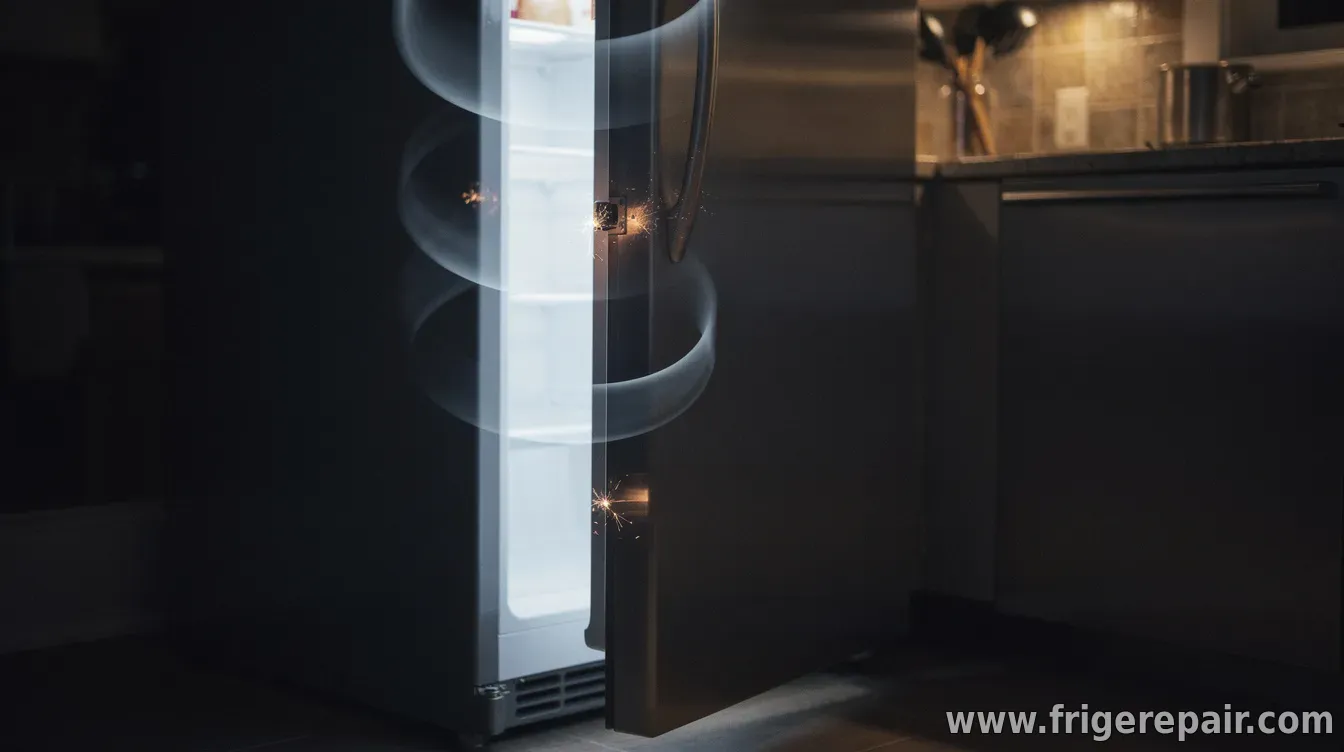 Strange sounds from a refrigerator can be unsettling, but many are routine parts of how the appliance cools and circulates air. Whether you hear a humming, clicking, or occasional bumping, the key is to notice when the noise happens (right after opening the door, at startup, or continuously) and whether it’s new or getting worse. Humming: usually the compressor or normal airflowA steady, low humming is commonly linked to the compressor running or refrigerant moving through the system. It may be more noticeable in quieter rooms or during periods of higher demand—like after restocking groceries or during hot weather. If the hum becomes louder suddenly, turns into a constant high-pitched sound, or is accompanied by warm interior temperatures, it could indicate an airflow issue (such as a failing fan) or a compressor problem. Clicking: thermostats, relays, or defrost cyclesClicking sounds are often caused by electrical components switching on or off—such as a relay or thermostat—especially when the unit starts up or cycles off. Another frequent source is the refrigerator’s defrost system, which may click as heaters or related parts engage during colder or preprogrammed intervals. Clicking that repeats rapidly, comes with flickering lights on the fridge display, or persists without the unit cycling normally can point to a control-board or start-relay issue. Bumping or thumping: fans, loose parts, or compressor mountingBumping, thumping, or rattling is typically less about cooling mechanics and more about vibration. Common causes include a fan blade contacting something, a loose panel, items in drawers touching the interior, or the refrigerator not sitting level. If the sound appears when the compressor starts, it may be related to the compressor mounting or base. Ensuring the fridge is level and checking for loose interior components can help, but persistent thumps may require inspection. When noise signals a problemWhile many noises are normal, take action if you notice warning signs alongside the sound: the refrigerator or freezer not maintaining temperature, ice buildup on unusual areas, a burning smell, error codes, or leaks. Also, if the noise is newly introduced and progressively worsening, that’s a strong indicator to troubleshoot promptly. Quick checks you can do before calling for help
If basic checks don’t resolve the issue—especially when performance is affected—contact a qualified appliance technician. Refrigeration systems involve pressurized components and electrical parts, and a professional can diagnose whether the noise is coming from the fan, defrost mechanism, compressor, or a control component. In the meantime, keeping the refrigerator stocked appropriately, avoiding frequent door openings, and ensuring vents are clear can reduce strain on the cooling system and help distinguish normal cycling sounds from early warning signs. |
|
|
Next & Previous posts
Related articles: