6:27 AM DIY vs. Professional Appliance Repair: When to Call an Expert |
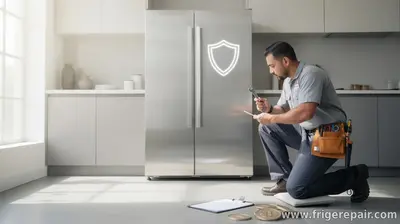
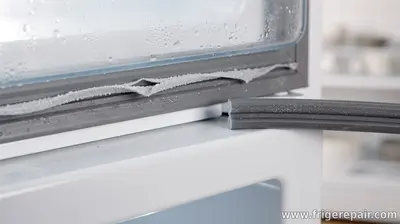
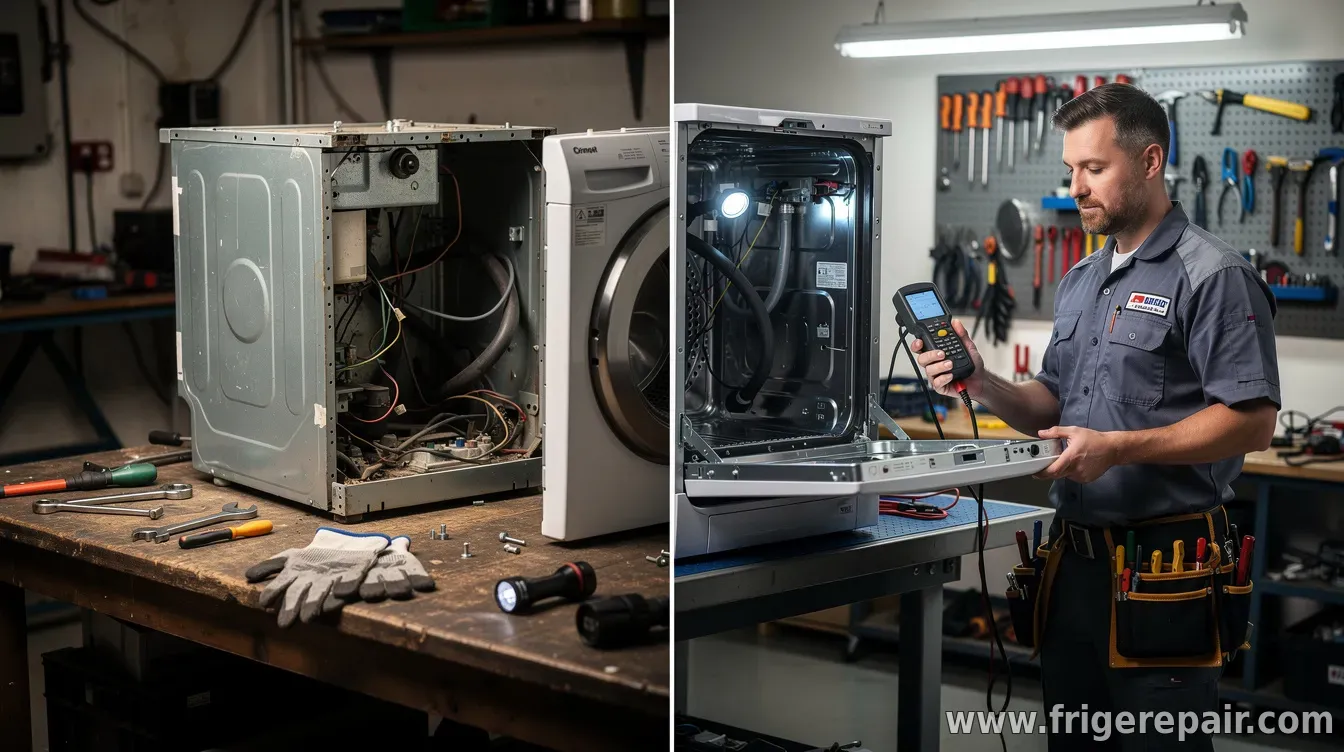 Appliance breakdowns rarely happen at convenient times. When a refrigerator stops cooling, a dryer won’t heat, or a dishwasher starts leaking, the temptation is to “just fix it.” But choosing between DIY repair and professional service can determine both the outcome and the risk involved. As a rule of thumb, DIY makes sense for small, non-electrical tasks with clear troubleshooting steps. Professional repair is the better option for issues involving wiring, gas or high-voltage components, persistent leaks, repeated failures, or symptoms that could indicate deeper mechanical problems. DIY is usually fine for simple, low-risk fixesIf the fault is straightforward and doesn’t require opening sealed housings or touching live electrical parts, DIY can save money. Many common fixes fall into this category: cleaning filters and vents, removing clogs, replacing an easily accessible door seal, or swapping a clearly identified (and properly rated) part such as a basic thermostat or fuse when the procedure is well-documented. DIY is also more appropriate when the appliance is showing a single, predictable symptom—like a dryer taking longer because of clogged lint buildup—especially if the manufacturer’s guidance matches what you’re seeing. Call a professional for electrical, gas, or “repeat failure” problemsOnce electricity enters the picture, the risk rises. Professional help is recommended when repairs require working around exposed wiring, diagnosing control board failures, resetting after error codes that immediately return, or troubleshooting anything involving frequent tripping of breakers. Gas appliances require extra caution. If you suspect a gas leak, smell gas, or need to service ignition systems or gas valves, do not attempt DIY repair. In these cases, turning off the appliance and contacting a licensed technician is the safest path. Leaks, water damage, and unusual odors are strong warning signsWater leaks can escalate quickly from a nuisance into structural damage, mold risk, or electrical hazards. If the leak persists after basic checks—such as confirming the door is sealing or tightening accessible hoses—or if you find water near wiring or underneath inaccessible components, professional diagnosis is the smarter choice. Similarly, persistent burning smells, sparking, or smoke-like odors are red flags. Stop using the appliance and seek service promptly. Don’t “test again” to see if the problem goes away. When time, parts, and warranty protections matterProfessional repair can be the most cost-effective option when you lack the right tools, can’t confirm which part failed, or would need to order multiple components through trial and error. Authorized service providers can also help ensure compatibility and reduce the chance of misdiagnosing the root cause. Warranty and extended protection plans are another deciding factor. Many warranties require repairs to be performed by authorized technicians. Even when DIY is allowed, improper installation of replacement parts can void coverage—so it’s worth checking the appliance documentation before you begin. Quick decision checklist
In the end, the goal isn’t to avoid DIY—it’s to know what’s reasonable. Small maintenance tasks can extend appliance life, but certain failures demand expertise to fix safely and correctly the first time. |
|
|
Next & Previous posts
Related articles:
![]()