9:46 AM Dryer Overheating: Safety Risks and Common Fixes |
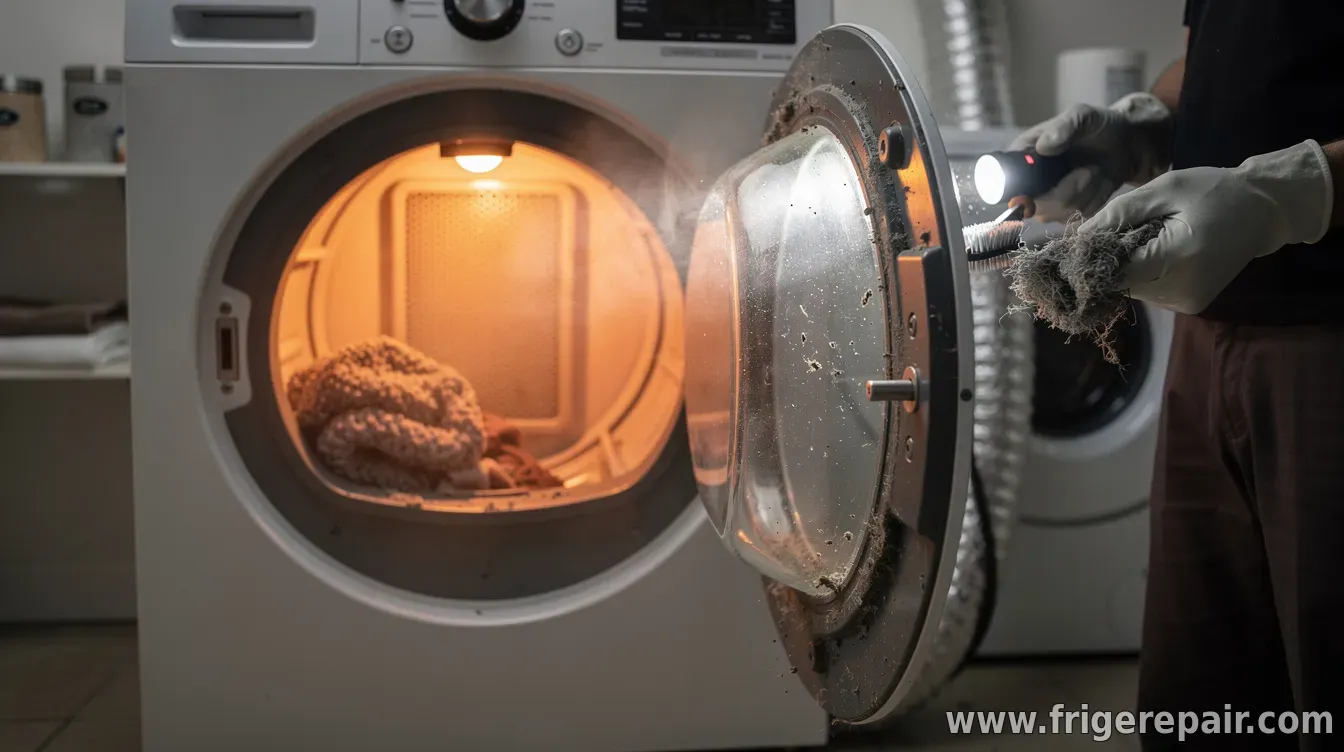 A dryer overheating is more than an annoyance—it can be a warning sign of dangerous airflow restrictions or electrical problems. When hot air can’t vent properly, temperatures can climb far beyond normal operating limits, increasing the risk of component damage and, in worst cases, fire. Why an overheating dryer is riskyClothes dryers generate heat and rely on consistent airflow to move that heat safely out of the home. If airflow is reduced—such as from clogged lint filters, blocked ductwork, or improper venting—heat can accumulate inside the dryer drum and exhaust path. Over time, this can degrade wiring, thermostats, and heating elements, while also allowing lint to char. Common causes of overheatingThe most frequent driver is lint. Lint can collect behind the front panel and inside the vent path, even if you clean the lint screen every load. Other recurring causes include a vent duct that’s crushed or too long, restricted outdoor vent caps, and venting that doesn’t include proper ducting material and routing. Thermostat and thermal fuse failures can also cause abnormal temperature behavior. If safety devices that regulate heat or cut power are worn or damaged, the dryer may continue heating even when it should stop, leading to sustained high temperatures. Less common issues include clogged airflow sensors or problems with the heating element circuit. What to do right nowIf you notice burning smells, clothing that comes out unusually hot, or repeated overheating errors, stop using the dryer and let it cool. Continuing to run the appliance while it may be overheating can escalate damage and safety risk.
Common fixes that improve safe airflowStart with ventilation, since it addresses the root cause in many cases. Use a dryer vent brush and vacuum attachment to clear lint from accessible sections, then consider having the full vent run inspected and professionally cleaned if buildup is persistent. Replace any crushed flexible duct sections and avoid venting setups that create tight bends or long, hard-to-clean runs. Also ensure you’re using the correct venting materials recommended by the dryer manufacturer. Improper ducting can trap lint, increase resistance, and reduce airflow efficiency, which raises operating temperatures. When it’s time to call a technicianIf the dryer continues to overheat after thorough lint and vent inspection—or if it shows error codes tied to temperature control—there may be a failed thermal fuse, thermostat, or heating control component. Those parts are safety-critical, and replacement typically requires proper diagnosis and testing. A qualified technician can verify the dryer’s temperature regulation and confirm whether the safety devices are functioning as designed. If there’s any sign of electrical burning, melted components, or repeated vent-related symptoms, professional service is the safest next step. Prevention tips to reduce future overheatingClean the lint screen before every load, and periodically vacuum lint from the dryer’s lint housing. Check vent connections and exterior vent operation regularly, and keep the area around the dryer unobstructed to allow proper airflow. For households with heavier laundry loads, scheduling a vent cleaning routine can prevent the buildup that leads to overheating. With dryers, the safest approach is to treat overheating symptoms as an early alert. Address airflow restrictions first, and escalate to professional repair when temperature control systems may be failing. |
|
|
Next & Previous posts
Related articles: