4:09 PM Gas Stove Burner Won’t Light: Troubleshooting Guide | |
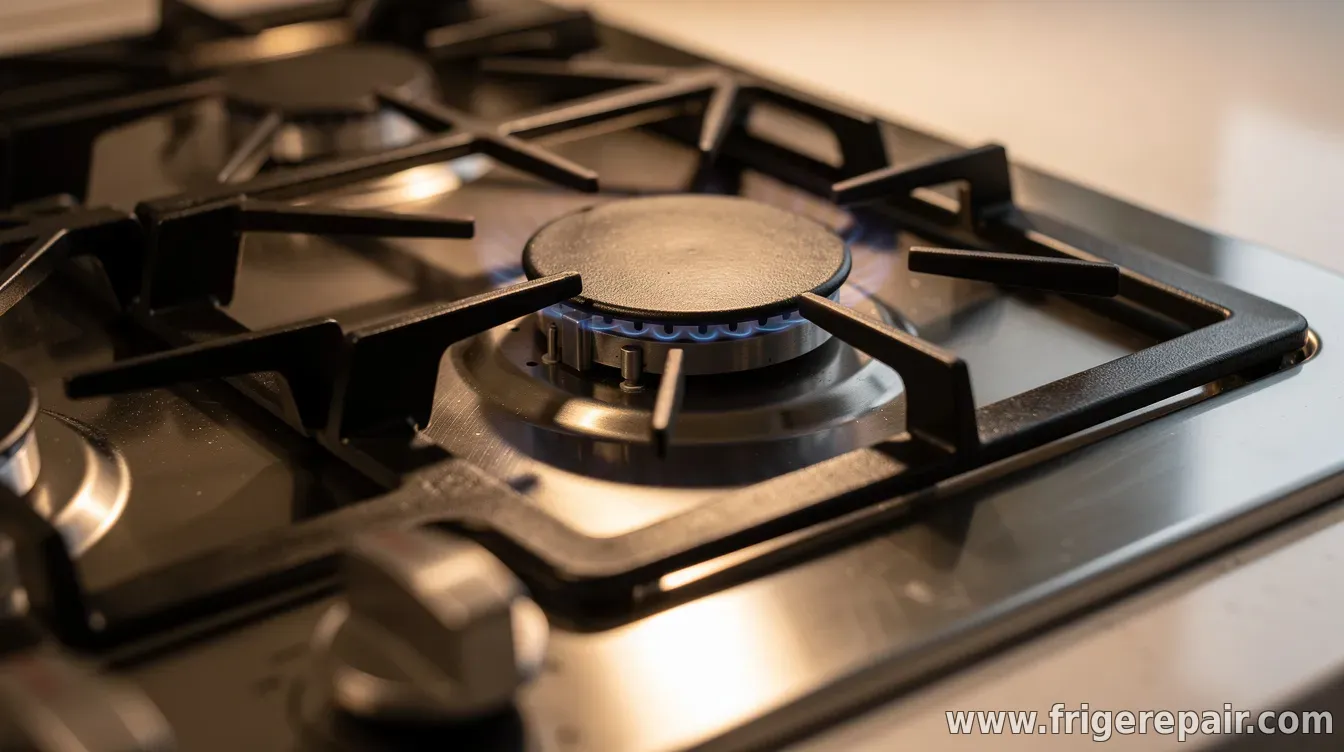 If your gas stove burner won’t light, the cause is often straightforward—an ignition issue, a clogged burner, or a gas-supply problem. Use the steps below in order, starting with the safest checks, to narrow down what’s preventing ignition. Before troubleshooting: If you smell gas, turn the burner off, ventilate the area, and avoid using electrical switches. If the odor is strong or persistent, contact your gas utility or a qualified technician. 1) Confirm gas is actually reaching the burnerFirst, ensure the burner is turned to the correct setting and that the stove has gas flow. If your home uses a propane tank, verify the tank has fuel and the shutoff valve is open. For natural gas, confirm the main supply isn’t turned off. Also check whether the issue affects all burners or only one—this helps identify whether the fault is system-wide or localized. 2) Check the ignition system (spark or pilot)Most modern gas stoves ignite with an electric spark. Watch the burner closely while attempting to light it: you should see a consistent clicking/sparking at the igniter. If you hear clicking but there’s no spark at the burner, the igniter electrode may be dirty, misaligned, or damaged. If there is no clicking at all, the issue may be electrical power (battery backup for some igniters) or the stove’s ignition switch. If your stove uses a standing pilot (less common), verify the pilot is lit and stable. A weak or extinguishing pilot typically points to air drafts, a dirty pilot assembly, or a clogged gas pathway. 3) Clean and re-seat the burner partsClogs from food residue, grease, or moisture can prevent gas from mixing with air properly and igniting. Remove the burner cap and burner head (following the manual), then inspect and clean them. Use a soft brush and warm soapy water for caps and heads; for clogged ports, gently clear debris with a non-metal tool. Make sure the parts are completely dry before reassembly, and confirm they sit correctly so the gas ports align. When reassembled, test again. A mis-seated cap can block ignition by disrupting gas flow around the igniter. 4) Inspect igniter positioning and signs of damageIf cleaning doesn’t help, check the electrode gap and alignment. The igniter tip should be positioned close to the burner where the spark will jump. Look for cracks, heavy buildup, or corrosion. If the electrode is cracked or damaged, it usually needs replacement—continuing to use a faulty igniter can lead to repeated unburned gas release. Also check the wiring harness visually for loose connections. If you’re uncomfortable opening panels or handling electrical components, stop and call a service professional. 5) Be alert to delayed ignition or repeated failuresIf the burner lights only after many tries, or there’s a strong gas smell before it ignites, pause. Delayed ignition can indicate incomplete combustion from clogging, air-mix problems, or a failing valve/ignition component. In these situations, it’s safer to avoid repeated long attempts and arrange inspection. When to call a professional: If multiple burners won’t light, if you detect persistent gas odor, if the igniter system repeatedly fails with no spark/clicking after basic checks, or if you suspect a gas valve or regulator issue, contact a qualified technician or your gas supplier. Once you identify the likely cause—typically cleaning/re-seating burner parts, restoring spark action, or confirming gas supply—you should be able to get your stove lighting reliably again. If you share your stove model and whether the spark/click is happening, the next steps can be narrowed further. | |
|
| |
Next & Previous posts
Related articles: