
9:44 AM Dryer Taking Too Long to Dry Clothes: Causes | |
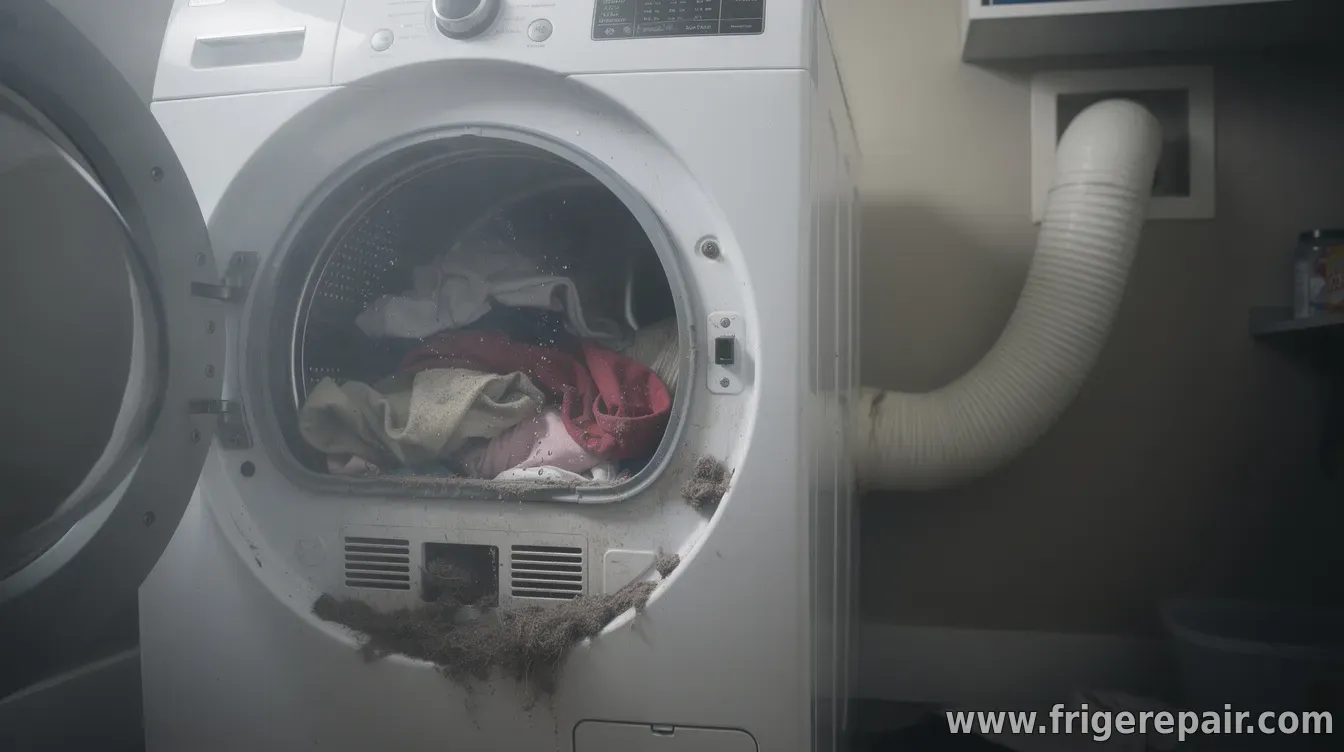 If your dryer is taking far longer than it used to, the problem is often less mysterious than it seems. Most “slow drying” complaints trace back to blocked airflow, insufficient heat, or dryer settings/load conditions that limit how efficiently moisture can escape. 1) Clogged lint trap or vent lineStart with the simplest—and most common—cause: airflow restriction. Lint buildup in the lint screen or inside the dryer’s housing can reduce circulation, while a clogged or partially blocked exhaust vent can trap moisture and heat. Over time, lint can accumulate beyond the lint trap, especially in long duct runs or where the vent has bends. Quick check: remove lint from the lint screen after every load, and inspect the vent for kinks, crushed sections, or heavy lint buildup. If airflow feels weak at the outside vent, you likely found the culprit. 2) Restricted airflow from ducting issuesEven if the lint trap is clean, ductwork problems can still slow drying. Using flexible duct that sags, too many elbows, venting into an attic/basement space, or improper vent installation can increase resistance and prevent moist air from leaving the dryer efficiently. Rule of thumb: the dryer vent should be as straight and short as possible, with minimal bends, and connected with ducting that supports strong airflow. 3) Heat problems (gas supply, heating element, thermal fuse)If your dryer isn’t producing enough heat, it may spin continuously while clothes remain damp or only lightly dry. Common heat-related causes include a failing heating element (electric dryers), a tripped thermal fuse, thermostat issues, or—if the unit is gas—insufficient gas flow or ignition problems. Signs to watch for: the dryer runs but clothes feel only warm (not hot), drying times are consistently longer across many loads, or the dryer may stop mid-cycle on certain models. 4) Sensor and settings issues (moisture sensors, cycle selection, load size)Modern dryers often use moisture-sensing technology to stop when clothes reach a target dryness level. If sensors are coated with residue (from fabric softeners, dryer sheets, or built-up lint), they can misread the moisture level and behave as if items are still wet—or in some cases, shut off too early. Additionally, choosing the wrong cycle or overloading the dryer can limit tumbling and airflow around garments. Try this: run a smaller load, avoid overstuffing, and use the sensor cycle correctly (for sensor dryers). Clean moisture sensors per the manufacturer’s instructions, typically with a soft cloth. Finally, don’t overlook basics like wet clothing coming from an underperforming washer (e.g., low spin speed leading to extra water) or unusually humid conditions that make evaporation slower. If you recently changed detergents or started using different dryer products, residue build-up may also play a role. If cleaning the lint trap, checking the vent path, and adjusting load size still doesn’t improve drying time, the next step is to inspect the dryer’s heating system or sensors. For electrical or gas components (heating element, thermal fuse, ignition), consider a qualified technician—safety comes first. | |
|
| |
Next & Previous posts
Related articles:
![]()