4:14 PM Oven Not Reaching the Right Temperature: What to Check |
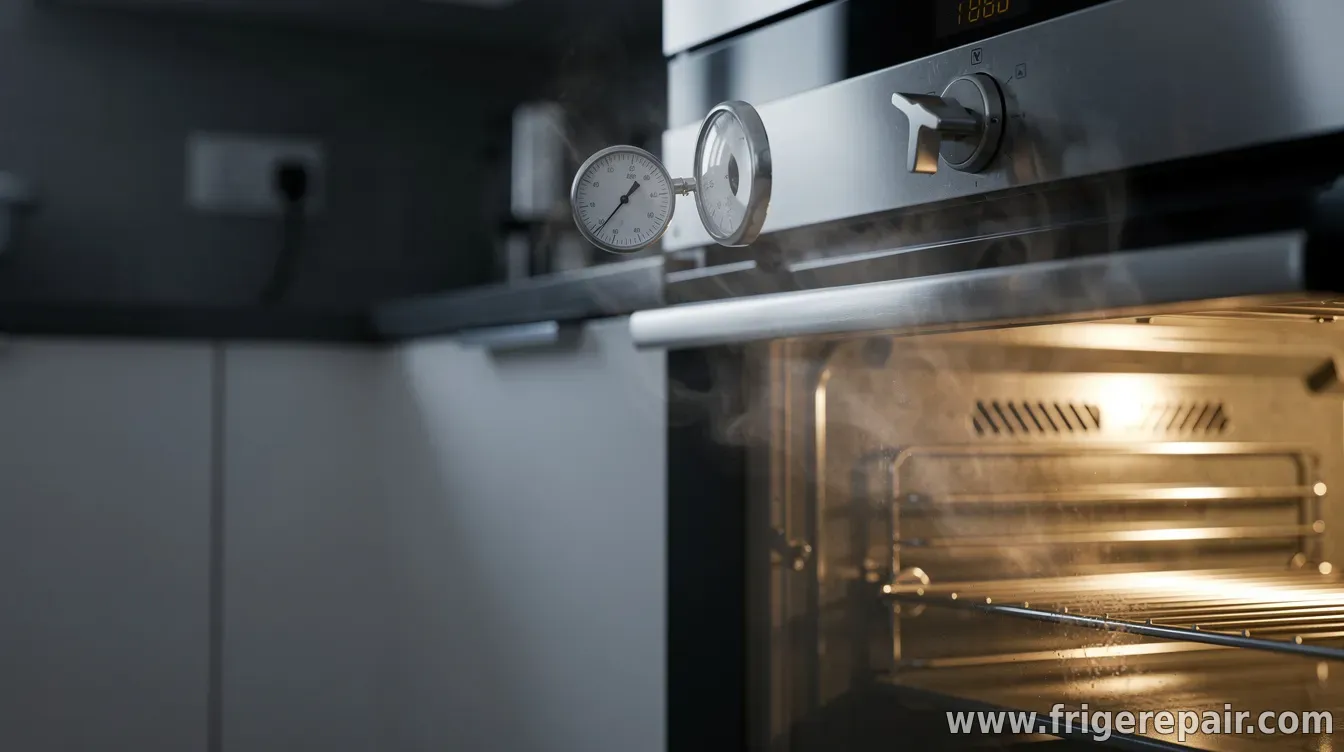 An oven that won’t reach the temperature you select can ruin baking and roasting results—and it can also signal an issue that needs attention. While some problems are quick fixes, others require calibration or professional repair. Below is a focused set of checks to help you identify what’s going wrong. 1) Verify the temperature with a reliable oven thermometerBefore assuming the oven is defective, confirm the actual temperature. An oven thermometer (ideally one meant for high heat) can reveal whether the display is off by a few degrees or whether the oven is failing to heat properly. If the thermometer consistently reads lower than the set temperature, the issue may be calibration, a faulty temperature sensor, or a heating problem. 2) Check common causes before deeper troubleshootingMany “temperature problems” come from factors that change how heat circulates or how the oven regulates temperature:
If your results improve after cleaning or reseating accessories, the “temperature” issue may actually be airflow or heat distribution. 3) Inspect heating components and power deliveryIf the oven thermometer shows the oven is truly not heating to target, the next step is evaluating how heat is produced: Electric ovens: Check that the heating element(s) are functioning as expected. Some ovens use bake and broil elements at different times; a failure in one can cause uneven or low temperatures in certain modes. For some models, loose connections or failing relays can also reduce heating. Gas ovens: Verify the burner ignites properly and that the flame is correct. Weak ignition or irregular flame can prevent the oven from reaching temperature. Safety note: Unplug the oven or switch off the breaker before any internal inspection. 4) Consider sensor issues and calibrationModern ovens rely on a temperature sensor to regulate heat. A worn, dirty, or failing sensor can cause the oven to shut off early (or not ramp up correctly), leading to consistently low temperatures. Some models allow temperature calibration or have “offset” settings. If your thermometer confirms a consistent discrepancy, calibration may correct the problem without replacing parts. 5) Look for display or control problemsIn some cases, the oven may be heating but the control system may not be sending the right signals to the heating elements. Issues with the control board, a malfunctioning thermostat, or faulty wiring can all present as “not reaching temperature.” Signs can include:
If troubleshooting with a thermometer and simple checks doesn’t resolve the mismatch, the most reliable next step is contacting a qualified technician—especially when electrical components or internal wiring are involved. When troubleshooting an oven that won’t reach its target temperature, the most important early step is measuring the true internal heat with a thermometer. From there, you can narrow the problem to sealing/airflow issues, heating element or burner faults, sensor problems, or calibration/control failures. If the oven consistently underheats after cleaning, inspection of basic factors, and any supported calibration, professional repair is usually the safest and fastest route. |
|
|
Next & Previous posts
Related articles: