8:21 AM Gas Stove Burner Won’t Light: Troubleshooting Steps |
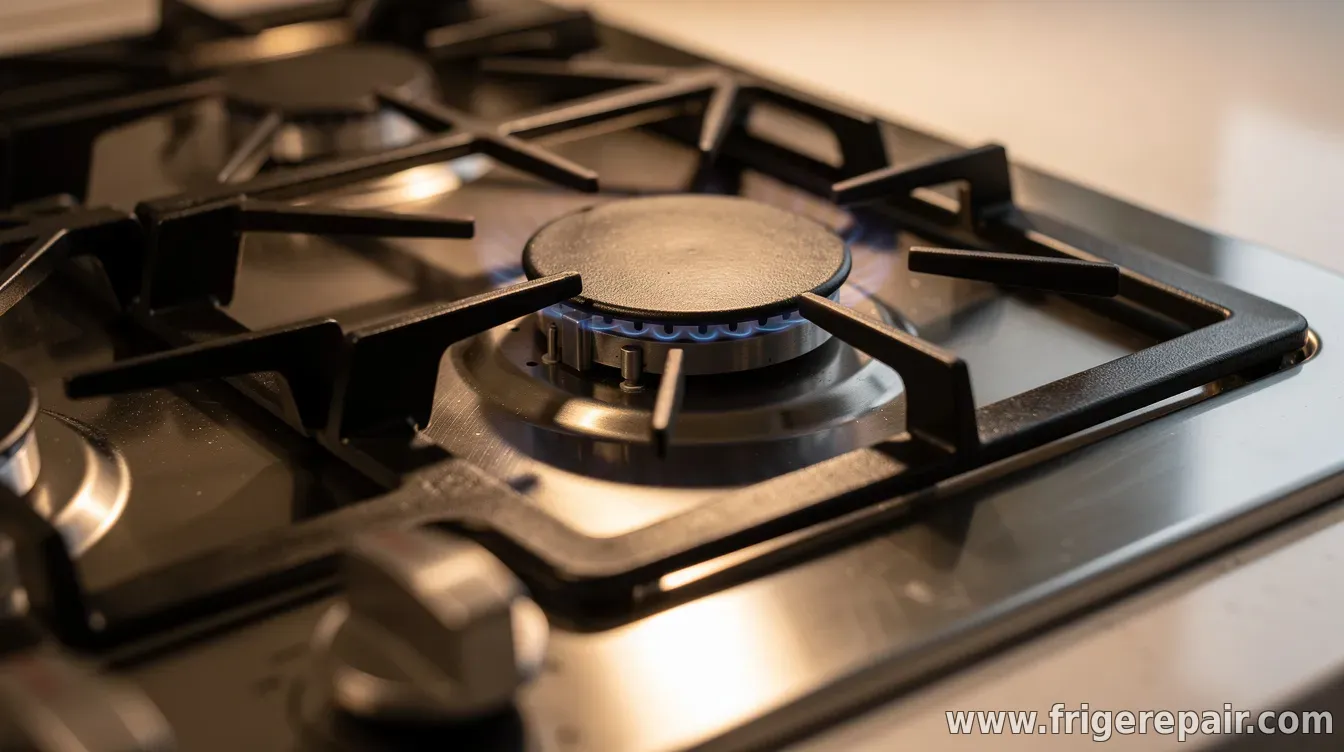 A gas stove burner that won’t light is usually caused by something simple—like a clogged burner, a weak or dirty igniter, or an interrupted gas supply. Start with the safest checks, then move toward cleaning and functional tests to identify the likely culprit. 1) Safety first and basic checksBefore troubleshooting, turn the burner control to OFF and allow any gas to dissipate. If you smell gas strongly or you hear hissing without ignition, stop and ventilate the area, then contact your gas utility or a professional. Next, confirm the basics: ensure the stove is receiving power (many igniters require electricity), verify the gas supply valve to the stove is fully open, and make sure the burner you’re using is properly seated in its position. If the issue affects all burners, focus on power or supply; if it’s only one burner, focus on that burner’s parts. 2) Check whether the igniter is sparkingTurn the burner knob to IGNITE/LIGHT and watch the igniter area. You should see a spark (often near the electrode) when you try to light the burner. If there’s no spark, the problem may be electrical (worn igniter, failed module, loose wiring, or a power issue). In that case, avoid repeated long attempts and consider professional service. If the igniter sparks but the burner still won’t light, the gas may not be reaching the burner ports, or the burner head may be dirty or misaligned. 3) Clean the burner and portsMost “sparks but won’t light” cases come from debris blocking the burner ports. Turn the stove off and let it cool completely. Remove the burner cap and head (if your model allows), then clean them thoroughly with warm soapy water. For stubborn residue, use a soft brush and gently clear any clogged ports with a non-metal tool or a non-damaging pick. After cleaning, dry all parts fully, reinstall the burner correctly, and ensure the cap sits level. Misalignment can interrupt the gas flow and prevent consistent ignition. 4) Inspect the igniter and electrodeSometimes the igniter electrode is dirty or has shifted slightly, reducing spark quality. After cooling, wipe the electrode area carefully with a dry cloth. Avoid soaking igniter components unless the manufacturer explicitly recommends it. Also look for cracks or severe wear—if the electrode is damaged, replacing the igniter assembly is usually the safest repair. 5) Verify gas flow and burner positioningIf cleaning doesn’t help, confirm the burner is assembled correctly and that the gas ports under the burner head are unobstructed. On some stoves, a partially blocked valve or air in the line can delay ignition. If your gas was recently turned off and back on, allow a brief period for gas to reach the burner before trying again—while following manufacturer guidance. 6) When to stop and call a technicianStop troubleshooting and contact a qualified service technician if you suspect gas leaks, if none of the burners spark, if the electrode is cracked, or if the burner still won’t ignite after cleaning and confirming correct assembly. Ongoing ignition failures can indicate issues with the igniter module, wiring, gas valve, or pressure regulation—repairs that are best handled professionally. Keep a note of what you observed (e.g., “sparks but no flame,” “no spark on one burner,” “problem affects all burners”) to help the technician diagnose the issue faster. |
|
|
Next & Previous posts
Related articles: