
9:51 AM How to Remove Mold and Odor From a Front-Load Washer |
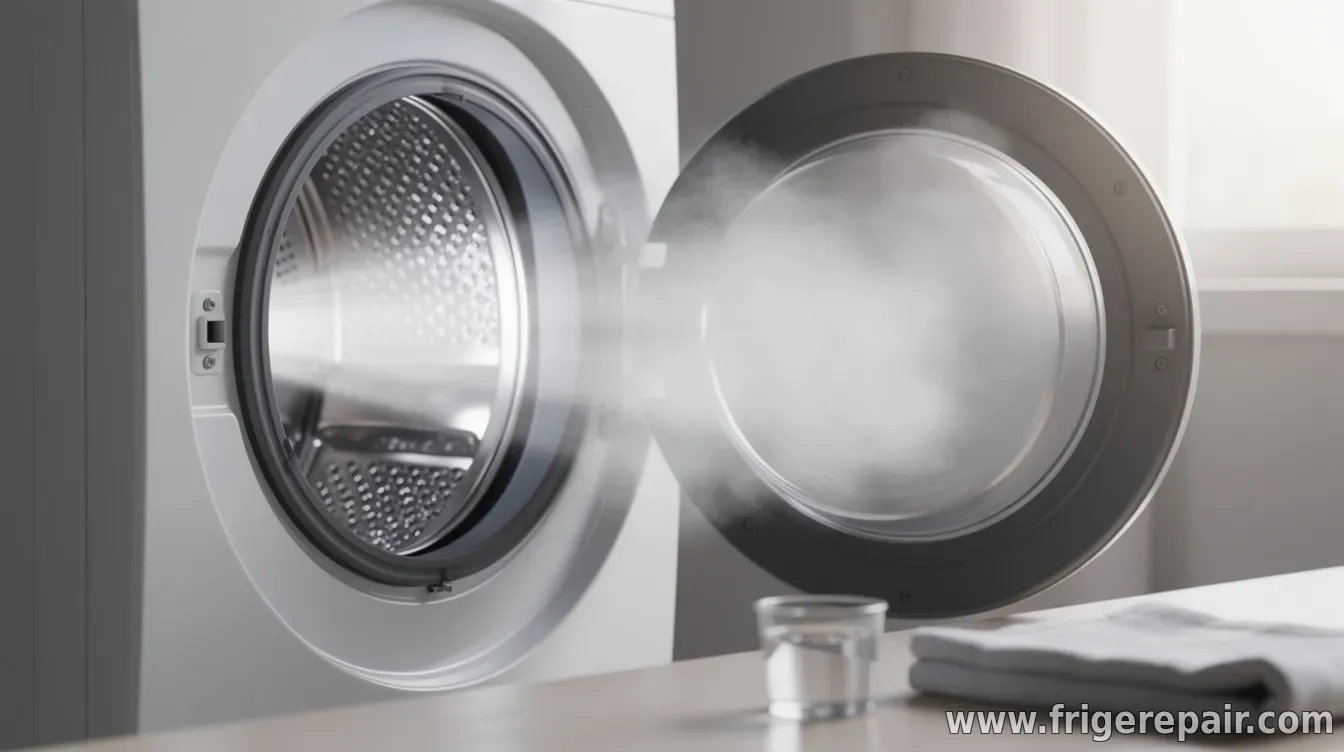 Musty smells in a front-load washer are usually caused by a mix of trapped moisture, detergent buildup, and mildew growth—most often in the rubber door gasket, the detergent drawer, and around the drain path. Even if your clothes come out “clean,” the machine itself may be harboring odor sources. Start with a quick safety step: run the washer empty and avoid adding clothes during the cleaning process. Ensure the area is ventilated, and if you’re sensitive to strong chemicals, wear gloves and consider using fragrance-free cleaning products. Step 1: Clean the door gasket and remove visible buildupPull back the rubber door seal (gasket) where it meets the door and inspect for black spots or slimy residue. Use a microfiber cloth or an old toothbrush to scrub the folds thoroughly. If needed, dampen the cloth with a small amount of washer-safe cleaner, then wipe dry afterward to reduce lingering moisture. Step 2: Descale and disinfect with a hot empty cycleRun an empty wash on the hottest setting available. Add either a washer cleaner/deodorizer made for front-load machines or an appropriate cleaning solution per the label instructions. This cycle helps break down detergent film and reduces mildew deeper in the drum and plumbing. If your washer manual allows it, some homeowners use diluted bleach cautiously for odor control—especially when mildew is visible. However, never mix bleach with other cleaners (such as vinegar or ammonia), and always confirm the product is compatible with your washer and any septic/environmental considerations. Step 3: Clean the detergent drawer and rinse wellRemove the detergent drawer if your model allows. Wash it in warm water with a brush to remove caked detergent. Pay attention to any small holes, slots, and corners where residue can collect. Dry the drawer completely before reinstalling to prevent future odor buildup. Step 4: Tackle the drain area and check for blockagesOdors can also come from water that doesn’t fully drain. Look for easy access to the drain filter (often behind a small panel on the front bottom of the washer). Clean out lint and debris, and wipe the surrounding area. If you don’t have a drain-filter access point, consult your manual for the correct maintenance procedure. Once cleaned, run another short empty rinse cycle to flush loosened residue. This can be especially helpful after scrubbing the gasket and drawer so leftover cleaner doesn’t create a new smell. Step 5: Reduce moisture between loads to prevent recurrenceAfter each wash, leave the door ajar and let the interior air out. Wipe the gasket with a dry cloth if it’s visibly damp, and avoid overusing detergent (especially high-sudsing products), since excess buildup can feed mildew. If you use fabric softener, consider reducing or eliminating it—softener residue can cling to internal surfaces. For persistent odors, repeat the deep-clean steps and consider checking for maintenance alerts in your washer’s manual. If the smell is strong or returns quickly despite cleaning, there may be ongoing drainage issues or internal buildup that needs professional evaluation. With regular wipe-down of the gasket, periodic empty hot cycles, and thorough drawer/drain cleaning, most front-load washer odors can be eliminated and kept from coming back. |
|
|
Next & Previous posts