12:44 PM Refrigerator Ice Maker Not Working: Troubleshooting Tips |
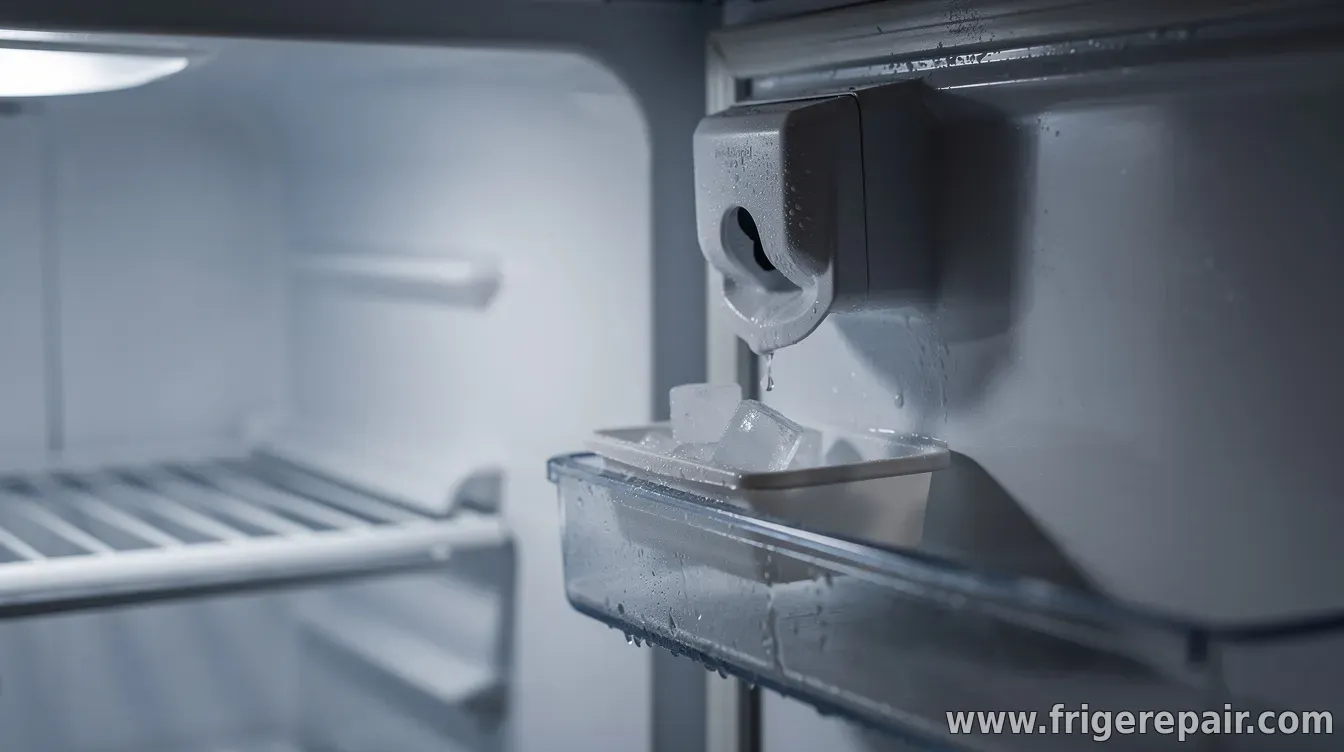 When a refrigerator ice maker stops working, the problem is usually one of a few recurring causes: water isn’t reaching the unit, the ice maker is switched off or stuck in a cycle, or a filter/power/reset issue is preventing operation. Before you purchase parts or call for repairs, run through a structured checklist to narrow down what’s failing. Start with the basics: power and ice maker settingsMany ice maker failures begin with a simple setting. Confirm that the ice maker is turned on (some models use a dedicated switch or a control menu). If your refrigerator has a “Freezer” temperature setting, ensure the freezer is cold enough—ice makers typically require sustained freezer temperatures below freezing to function correctly. Also check that the ice bin is fully seated. Some refrigerators pause ice production if the bin is misaligned or not detected by the sensor. Verify water supply and line conditionsIf your ice maker isn’t producing any ice, the most common cause is insufficient water flow. Inspect the refrigerator’s water line for kinks or pinches and confirm the household shutoff valve behind the fridge is fully open. If you recently moved the appliance or replaced the filter, make sure the connection is secure. Next, look for signs of water-related restriction. A clogged water filter can drastically reduce flow, leading to slow or zero ice production. Replacing the filter (if it’s overdue) is a low-risk first step on many models. Remove airlocks and test water flowAfter installing a new filter or reconnecting plumbing, air can remain in the line. This may delay ice production. Dispense water from the refrigerator’s water dispenser (if equipped) and observe whether flow strengthens over a few minutes. If the dispenser is weak or sputters, the issue is likely water-line pressure or filtration rather than the ice maker itself. For units with an ice maker reset procedure, follow the manufacturer’s instructions to initiate a fresh fill cycle after the water line stabilizes. Check for ice blockage and mechanical stickingEven when water is reaching the ice maker, ice can stop production if the internal components are jammed. Open the freezer and inspect the ice maker area for clumps of ice, frost buildup, or a full/overfilled bin. If you find blockage, carefully clear it (avoid chipping or forcing mechanisms). Some ice makers use a feeler arm or a sensor that can stick due to ice buildup. Gently inspect for obstruction and ensure the arm/sensor can move freely where applicable. Reset or troubleshoot the ice maker cycleIf your refrigerator uses an internal control, try a model-specific reset. Many systems allow you to pause and restart ice production, or cycle the ice maker through a diagnostic mode. Because procedures vary by brand, consult your user manual for the exact button sequence and timing. After resetting, give the unit time—ice production isn’t instant, especially after a long period of inactivity. Pay attention to what the ice maker does during a cycle. If you hear no fill sounds, suspect water supply or the fill valve. If you hear filling but no ice forms, suspect temperature issues, a faulty ice maker module, or a component that isn’t advancing the harvest cycle. With any electrical troubleshooting, unplugging the refrigerator before removing panels or accessing internal parts is a safer approach. If you’re uncomfortable opening compartments or working around wiring, stop and contact a qualified technician. When to consider repairs or replacement partsIf you’ve confirmed proper freezer temperature, verified water flow/dispenser performance, replaced an overdue filter, and cleared any blockages, but the ice maker still produces nothing (or only intermittently), the likely culprits include the ice maker assembly, the water inlet/fill valve, or the control module. At this point, the most efficient next step is to match your model number to the correct troubleshooting guide or service manual. A technician can also run targeted tests to avoid replacing parts unnecessarily. Use this checklist as a starting point: confirm settings and bin alignment, verify water line and filter condition, remove airlocks, check for ice jams, then reset using the correct procedure. With most refrigerators, one of these steps restores ice production quickly—saving time and cost. |
|
|
Next & Previous posts
Related articles: