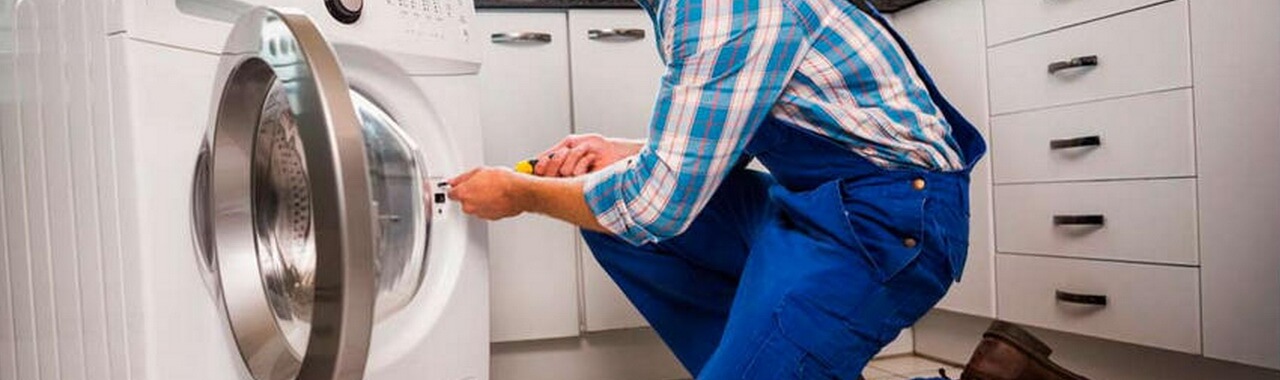
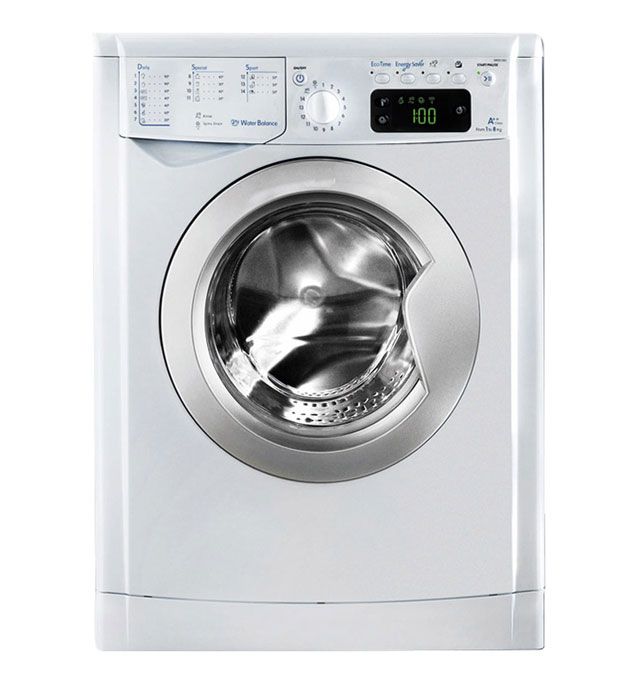
 The washer is a top priority appliance in many homes. Washers make washing clothes process stress free and timely. With the convenience that this appliance provides, and it can be frustrating for both you and your family when appliance breaks or starts acting up. Washers that aren’t working properly in your home not only result in high energy bills but are hazard to the whole family. Getting professional washer repair will ensure that your washer is working at its best condition to save on energy and ensure your family are safe using the appliance. We provide the following washer repair services.
- Worn tub bearings
- Worn door seals and pumps
- Faulty Thermal fuses, electric controls and timers
- Pumps that won’t spin
- Faulty shock absorbers leveling legs and dampening straps
- Faulty Motor pulleys and belts
- Faulty switches
- Faulty doors
- Faulty air dome tube, valves and water inlets
- Faulty lid switches, water level control pumps, and time motors
Repair of washing machines at home is the only way to restore the performance of your “assistant” for washing clothes. After all, if the equipment suddenly fails, and the laundry basket is full, you are simply at a loss, not knowing what to do. In addition, if there is a small child in the house, the breakdown of the washer is an emergency that requires urgent action.
High-quality repair of washing machines at home. Such a measure can be the call of a professional, known as a master. Today, it is very easy to apply for such a specialist if you have the Internet or a telephone at hand. Call the master as soon as you discover a problem with the washing machine. Describe the signs of a malfunction of the unit, perhaps an experienced specialist will be able to suggest by phone what kind of repair is needed in your case. Based on the information received, the master will prepare all the necessary tools and arrive at the call in order to return the broken assistant to working capacity as quickly as possible.
Washing machine repair, at first glance, is a fairly simple matter. An experienced craftsman, without wasting time, will diagnose the breakdown and begin work on replacing the damaged part or other necessary actions. So, to replace an old broken heating element with a new one, such a specialist as a real master will need only a few minutes. However, this does not mean that if you yourself took up the work, the same result would be obtained. To quickly and efficiently repair the unit of various brands and assemblies, you need to be highly qualified and experienced.
We employ just such specialists, each of whom is a highly qualified master. We are ready to offer our customers a full range of repair work at reasonable prices, always accompanied by a guarantee. This is diagnostics, installation and connection of the system, replacement of simple parts in the washing machine, elimination of blockages, overhaul. We work with home visits. Repair work requiring the use of special equipment is carried out in a modern workshop.
We save the time of our clients. Therefore, each washing machine repairman working for us arrives at exactly the specified time and immediately gets to work. Our specialists are ready to help not only with business. We will advise you on all issues related to the further operation of the device.
Key Signs Your Washer Needs Repair
Catching a problem early can save you money and prevent a complete breakdown. Watch for these warning signs:
- Loud banging, grinding, or squealing noises during the wash or spin cycle
- The washer shakes or "walks" excessively during spin
- Water leaking from underneath or around the door
- The drum won't spin or agitate at all
- Clothes come out still soaking wet after the spin cycle
- The washer won't start or stops mid-cycle
- A burning smell coming from the machine
- Error codes displayed on the control panel
If you notice any of these signs, it's best to call a technician right away. Continuing to use a malfunctioning washer can lead to water damage, electrical hazards, and more expensive repairs down the road.
Common Causes of Washer Breakdowns
Worn tub bearings. Over time, bearings wear down from constant motion, causing loud grinding noises and excessive vibration during the spin cycle.
Clogged or damaged pump. A pump that's blocked by debris (coins, lint, small clothing items) or worn out won't drain water properly, leaving clothes soaked after a cycle.
Faulty door seal or gasket. A cracked or worn seal on front-load washers is one of the most common causes of water leaking onto the floor.
Damaged motor belt or pulley. When the belt slips or breaks, the drum stops spinning even though the motor is running.
Malfunctioning control board or timer. Electronic issues can prevent the washer from starting, cause it to stop mid-cycle, or trigger error codes.
Unbalanced or worn shock absorbers. Faulty shock absorbers, dampening straps, or leveling legs cause the washer to shake and "walk" during the spin cycle.
Why You Shouldn't Delay Repairs
Putting off washer repairs often leads to bigger problems, including:
- water damage to your floors and surrounding areas from leaks;
- mold and mildew buildup from standing water or a leaking seal;
- increased wear on other components as the machine compensates for the original issue;
- a higher risk of electrical hazards from water reaching internal wiring;
- a much costlier repair — or a full replacement — if a minor issue is left unaddressed.
Why Trust the Repair to Professionals
Washing machines combine electrical, mechanical, and plumbing components, which makes DIY repairs risky without the right experience. Our technicians:
- have extensive experience repairing washers of all brands and models, both front-load and top-load;
- come to your home at a time that works for you, including same-day and emergency calls;
- diagnose the issue quickly and use quality replacement parts;
- provide a warranty on all completed repairs;
- offer honest advice on whether a repair or replacement makes more sense for your situation.
We Repair Washers of All Brands
We service all major washer brands, including LG, Samsung, Whirlpool, GE, Maytag, Frigidaire, Bosch, Kenmore, and more. Whether you have a front-load or top-load washer, our specialists have the tools and expertise to diagnose and fix the problem efficiently.
Serving Brooklyn and Nearby NYC Areas
Our company provides in-home washer repair services throughout Brooklyn and the surrounding NYC neighborhoods. Call us at (929) 307-7824 to schedule an appointment — our technician will arrive fully equipped to resolve most issues in a single visit.
Signs Your Washing Machine Needs Immediate Repair
-
The Washer Won't Spin or Drain: If your clothes come out soaking wet after a cycle, the problem usually points to a clogged drain pump, a broken lid switch, or a worn-out drive belt.
-
Excessive Vibrations and Loud Banging: If your washing machine "walks" across the laundry room or makes deafening crashing noises during the spin cycle, it is often caused by worn shock absorbers, broken suspension springs, or an unbalanced load.
-
Water Leaks Around the Base: Puddles on the floor are a major red flag. They can stem from a torn door boot seal (in front-loaders), loose hoses, or a cracked internal tub.
-
Unpleasant Musty Odors: If a foul smell is coming from your washer or transferring to your clothes, mold and mildew have likely built up inside the drum or detergent dispenser due to poor ventilation.
-
The Machine Won't Fill With Water: If you hear the machine humming or clicking, but no water enters the drum, you may have a faulty water inlet valve, a clogged inlet screen, or a blocked pressure switch.
2. Expert Maintenance Tips: How to Prevent Washer Breakdowns
-
Don't Overload the Drum: Tensing the machine past its capacity puts severe strain on the motor, bearings, and suspension system. Always follow the manufacturer's load limits.
-
Leave the Door Open After Washing: For front-load washers, keeping the door ajar after a cycle allows moisture to evaporate, preventing mold growth and foul odors.
-
Clean the Drain Pump Filter Regularly: Lint, coins, and small objects frequently get trapped in the filter. Clean it every 3–6 months to prevent drainage errors.
-
Use the Right Amount of High-Efficiency (HE) Detergent: Using too much soap creates excess suds that leave a residue, trap dirt, and can damage internal sensors and pumps.
-
Inspect Water Hoses Annually: Check the rubber fill hoses behind the washer for cracks, bulges, or leaks. Replace them every 5 years to avoid catastrophic indoor flooding.
3. FAQ (Frequently Asked Questions) for Washer Repair
-
Q: Do you fix both top-load and front-load washing machines?
A: Yes, our certified technicians are trained to diagnose and repair all major brands and types of washing machines, including top-loaders, front-loaders, and compact washer-dryer combos.
-
Q: Is it worth repairing an old washing machine, or should I buy a new one?
A: As a general rule of thumb, if the repair cost is less than 50% of the price of a new machine and your washer is under 8–10 years old, repairing it is much more cost-effective. Our technicians will always give you an honest assessment before starting any work.
-
Q: Do you carry spare parts with you?
A: Yes! Our service vans are stocked with the most common replacement parts (pumps, belts, valves, switches, and lid locks), allowing us to complete most repairs on the spot during the very first visit.
-
Q: Do you offer a warranty on your washer repairs?
A: Absolutely. We stand behind our workmanship and parts, providing a reliable warranty on all completed washing machine repairs.