12:48 PM Appliance Maintenance Checklist for NYC Apartments |
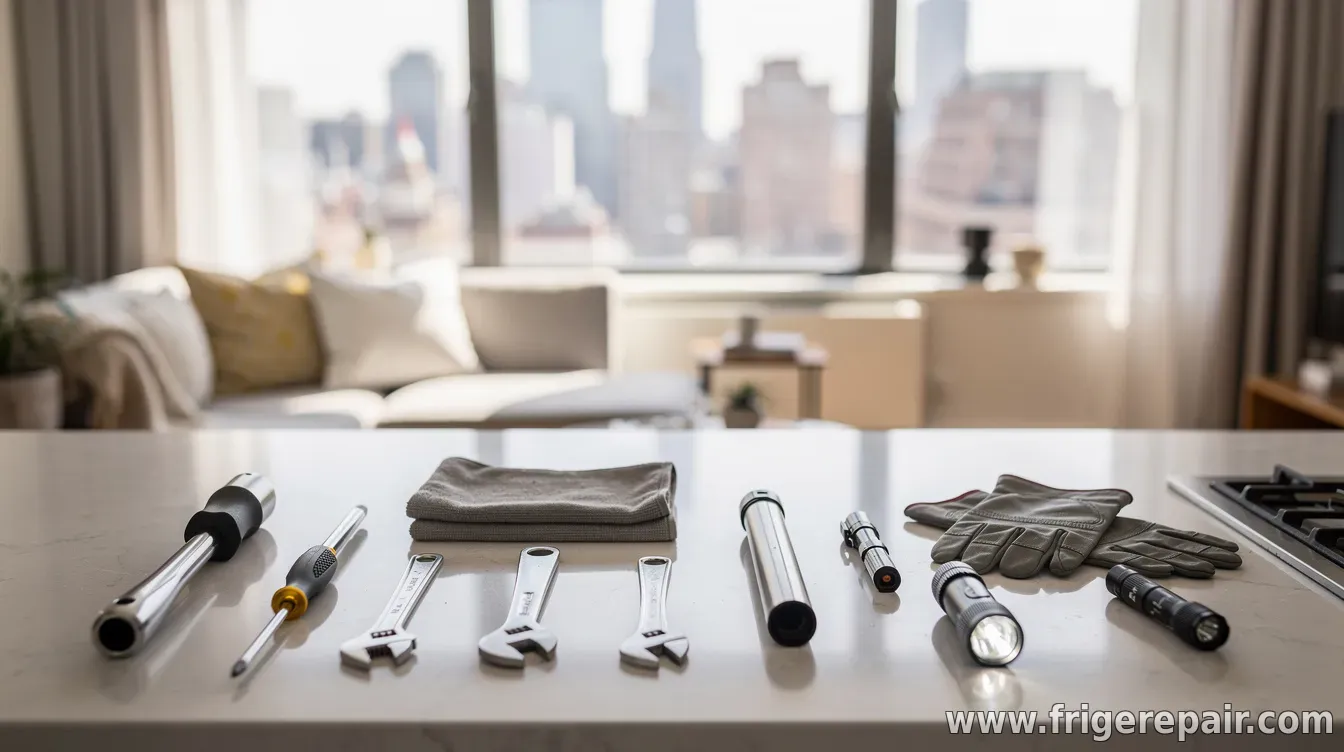 NYC apartments often face heavy daily use: tighter spaces, older buildings, frequent temperature swings, and occasional power or heating-system quirks. A simple, consistent appliance maintenance routine can reduce unexpected repairs, extend lifespan, and help prevent issues like leaks, mold, and poor ventilation. Below is a practical checklist you can use whether you’re a tenant, a landlord, or a property manager. Adjust frequency based on your building’s age, your usage, and local maintenance rules. Weekly and monthly checks (quick wins)Start with the habits that catch problems early. Keep an eye on appliance “tells” such as unusual noises, changes in cycle times, smells, or water pooling. If something shifts suddenly—like a dryer taking longer or a fridge running unusually long—address it promptly rather than waiting for a full failure.
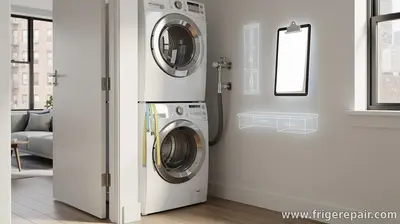
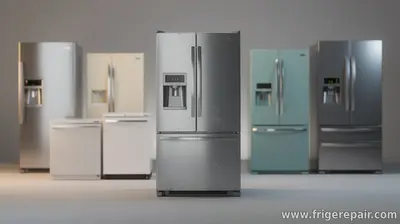
Refrigerator, freezer: prevent costly breakdownsFor NYC households, refrigerators are always under pressure—frequent door openings and crowded kitchens can strain airflow and temperature control. Aim for clean condenser coils (if accessible), clear vents inside the fridge, and tight door gaskets to avoid compressor overwork. Quick checklist: clean door seals for debris, wipe spills promptly, and ensure vents inside the unit aren’t blocked by food containers. If your fridge develops uneven cooling, frost buildup, or persistent warm spots, schedule service quickly—minor thermostat or airflow problems can escalate. Dishwasher and garbage disposal: tackle odors and clogs earlyDishwashers can trap residue, especially in households with hard water. Regular cleaning helps prevent lingering odors, poor drainage, and cycle inefficiency—common issues in older NYC plumbing setups. Clean the filter (per your model’s instructions), check spray arms for blocked holes, and monitor drainage. If your garbage disposal smells or drains slowly, avoid flushing grease and consider running cold water with short, controlled use after grinding. Washer and dryer: protect floors and air qualityIn NYC, leaks and venting problems can cause both damage and health concerns. For washers, inspect hoses for swelling or stiffness and keep an eye on drainage—slow or backing-up water often signals a blockage or pump issue. For dryers, lint management is crucial to prevent overheating and to maintain airflow efficiency. Checklist focus: wipe the washer’s exterior, check for standing water at the base, and clean lint from the dryer trap after every load. Also, vacuum lint from the surrounding area and plan periodic professional vent inspection if your dryer takes longer than usual to dry. Oven, stovetop, and microwave: maintain safety and performanceGas or electric cooking appliances require careful upkeep. For electric burners and glass cooktops, cleaning helps keep heat transfer consistent. For gas systems, pay attention to burner behavior—uneven flames or ignition failures can indicate clogged ports or airflow issues. Remove grease buildup in and around control knobs and vents, and test that the microwave fan and turntable operate smoothly. If you notice sparking, burning smells, or persistent ignition problems, stop using the appliance and contact a qualified technician. Ventilation and HVAC-adjacent appliances: don’t ignore airflowNYC buildings can trap humidity, especially in summer, which impacts both comfort and indoor air quality. Even if your “appliance” isn’t a typical kitchen unit, air handling equipment—like window units, portable ACs, and dehumidifiers—should be maintained for effective operation. Clean or replace filters as recommended, remove standing water where applicable, and verify that exhaust paths aren’t blocked. If you have recurring musty odors, condensation, or visible dust buildup, it may be an airflow or filtration problem rather than just “humidity.” Seasonal schedule (the “NYC rhythm”)Because NYC has distinct seasons, you’ll get better results by adjusting maintenance frequency. Use a seasonal cycle to prepare appliances for heat, cold, and humidity swings. Spring/Summer: prioritize dryer airflow, AC/dehumidifier filters, and moisture-related leak checks. Fall: inspect hoses and connections, test burner/ignition performance, and confirm refrigeration efficiency. Winter: watch for condensation near fridges/freezers, ensure safe oven operation, and avoid overloading power strips where applicable. When to call for service (a quick decision guide)Some appliance issues are “monitor and clean.” Others require a technician quickly—especially in apartments where small leaks and electrical faults can become emergencies.
A consistent appliance checklist can make NYC apartment living more predictable. If you keep tabs on leaks, airflow, filters, and unusual sounds, you’ll catch most problems early—before they disrupt your routine or turn into expensive repairs. Tip: Keep a simple maintenance log (date, what you cleaned, and any symptoms) and save appliance manuals. That record makes troubleshooting faster and can help support warranty claims. |
|
|
Next & Previous posts
Related articles: