5:08 AM Ice Maker Troubleshooting: Why Your Fridge Stopped Making Ice | |
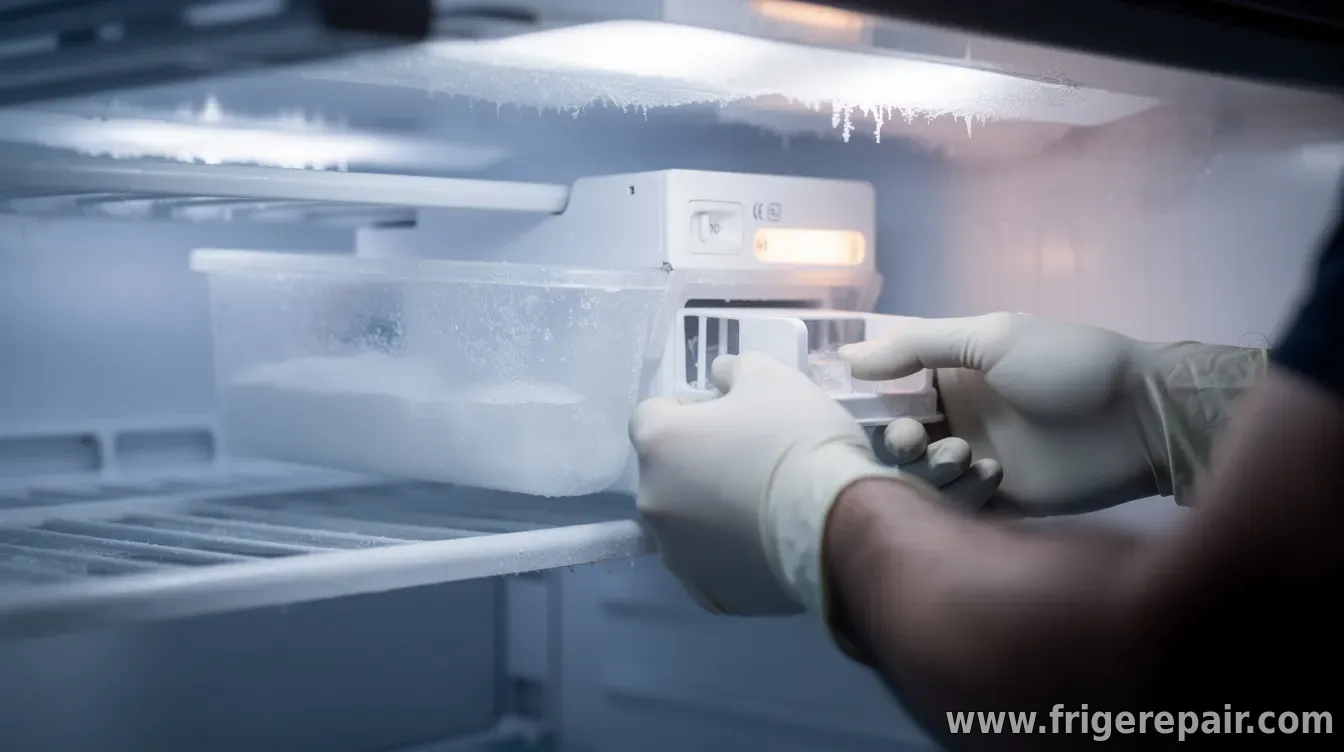 A fridge ice maker that stops mid-stream is a common (and usually solvable) problem. The fix depends on where the “break” happened in the ice-making cycle: water supply, water pathway, ice maker controls, or the ice maker itself. 1) Confirm the water supply is workingMost ice-making failures trace back to the incoming water line. Check whether the refrigerator’s shutoff valve (typically behind the fridge or in the basement/utility area) is fully open. If you recently had plumbing work done, the valve may have been bumped or turned off. Next, verify that water is actually reaching the dispenser (if your fridge has one). If you have dispensing but it’s slow or sputtering, that points to low pressure, a kinked line, or a restricted filter. If the dispenser is also out, focus on the main supply or the refrigerator water line before moving further. 2) Check the water filter and flowA clogged or overdue water filter can starve the ice maker, leading to reduced or zero ice. Replace the filter with the correct model number if it’s past its recommended interval or if you notice slow water delivery. After replacing, allow time for the system to clear air and stabilize flow—ice production may take several hours. Also inspect for leaks or blocked fittings along the water line. Even small restrictions can prevent proper fill and harvest cycles. 3) Review ice maker settings and “household” causesBefore assuming parts have failed, make sure the ice maker is enabled. Many models have a control switch or a “ice on/ice off” setting, plus indicators for ice bin full. If your ice bin is not seated correctly, the ice maker may think it’s full and stop making ice. Vacations mode, power-saving settings, or recent power outages can also interrupt the cycle. If the fridge was unplugged or the power briefly went out, restart ice production per the manufacturer’s instructions and monitor for a full cycle. 4) Look for ice blockages and sensor issuesIce makers rely on a consistent fill pattern and a clear path for ice to be harvested into the bin. Over time, ice can clump due to freezer temperature swings or dampness, blocking the mechanism. If you find a block of ice in the bin or at the ice maker outlet, carefully remove it (unplugging the fridge first) and restart the cycle. Many ice makers use sensors and a thermostat to stop and start the cycle. If a sensor fails or ice buildup prevents it from reading correctly, the unit may stop without producing ice. In these cases, cleaning ice components and checking for correct bin placement is often the first step before considering repair. 5) Test the ice maker’s fill and harvest behaviorWhen the ice maker calls for water, it should fill and then freeze before harvesting. If you hear water entering but no ice appears, the issue could be insufficient freezing (freezer temperature too warm) or a component failure in the ice-making process. If you never hear water, the problem is usually supply, wiring, or the ice maker’s fill control. Set the freezer to the recommended temperature (commonly around 0°F / -18°C, depending on the brand) and give it time to stabilize. If temperatures are off, the ice maker may not freeze water quickly enough to complete the cycle. 6) When to consider a failed component (and who to call)If water supply and filtration are confirmed, settings are correct, and ice clumps or blockages aren’t the cause, the refrigerator may have an internal issue such as a defective ice maker module, fill valve, motor, or control board. Symptoms like repeated “fill attempts” with no ice, unusual noises, or total inactivity after basic checks can indicate part failure. For safety and to avoid further damage, consult your refrigerator’s manual for model-specific reset and diagnostics. If the unit is under warranty or you’re uncomfortable working near electrical components and water connections, a qualified appliance technician is the best next step. Whether the root cause is a simple shutoff valve or a failing internal part, diagnosing in the right order saves time. Start with water flow and filter status, verify ice maker settings, then address freezer temperature and possible ice blockages before moving to advanced component checks. | |
|
| |
Next & Previous posts
Related articles: