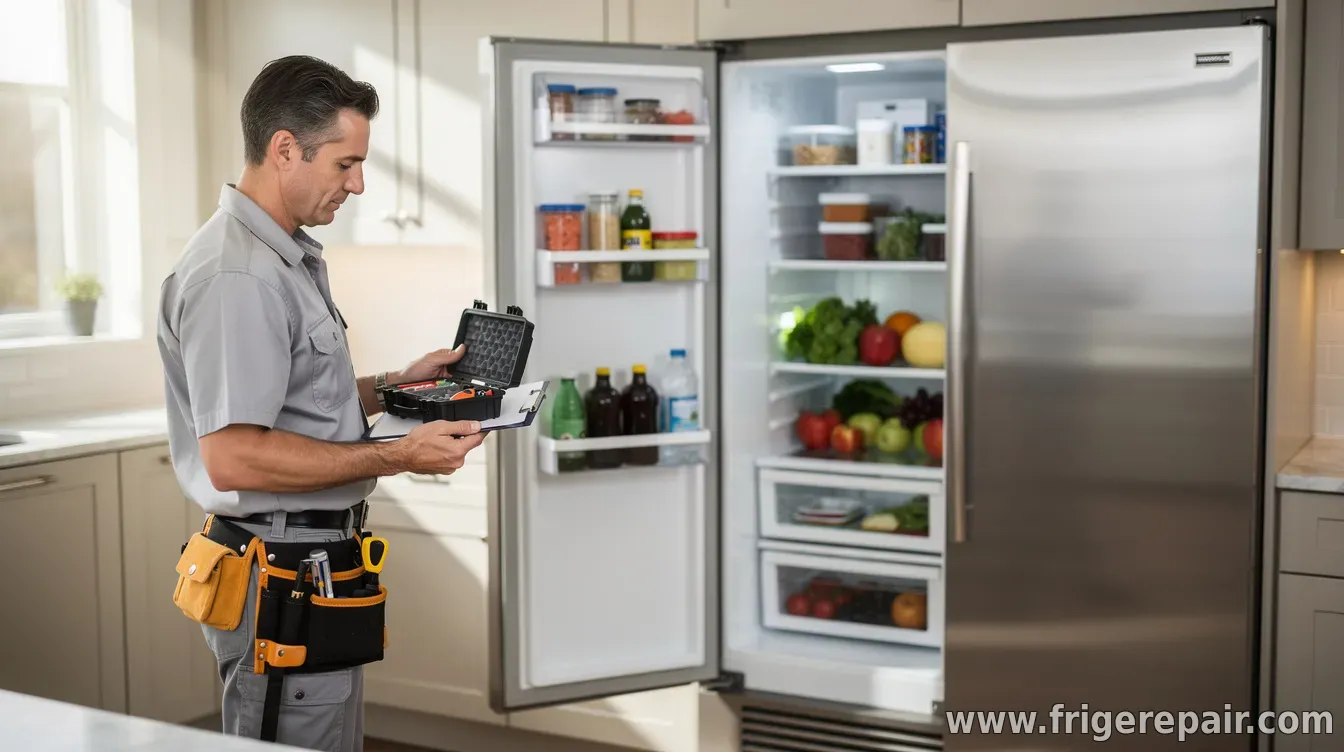
When your refrigerator starts acting up, a technician visit can feel stressful—especially if you’re unsure what to prepare. The good news: with a little planning, you can help the technician troubleshoot faster, avoid repeat trips, and minimize food loss.
Clear access and protect the area
Start by making sure the technician can reach the fridge and relevant connections safely. Pull the unit away from walls if possible (enough for access, not so much that you strain the water line or power cord). Remove clutter around the back, sides, and beneath the refrigerator so tools and work space are available.
If your fridge has a water supply line, confirm you can access the shutoff valve. For safety, do not attempt repairs like bypassing wiring or opening sealed components—leave that to the professional.
Move and manage food before troubleshooting
Refrigeration issues often involve temperature changes, so plan for food stability.
... Read more »
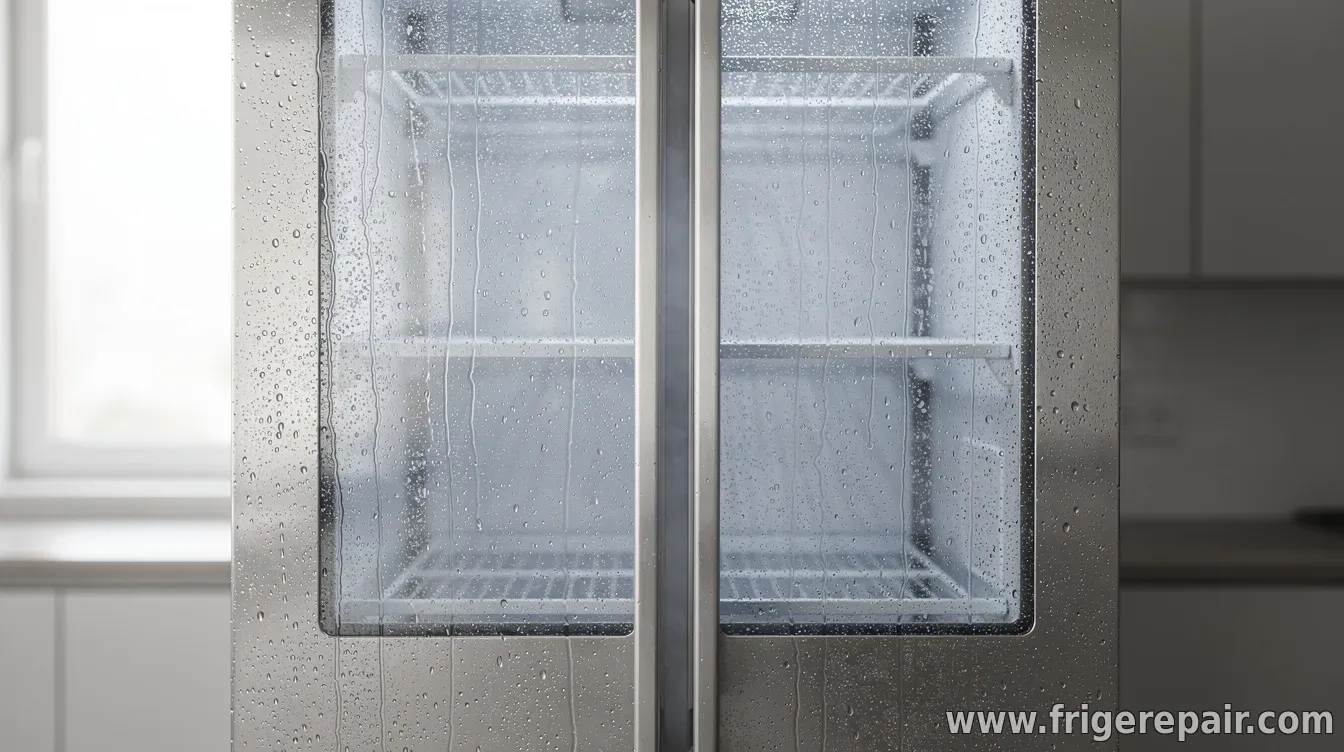
If you’ve noticed your refrigerator “sweating,” you’re not alone. Water droplets on the outside glass or the inside walls can be caused by normal humidity—sometimes by airflow or temperature issues, and occasionally by a failing door seal or defrost system. The key is identifying whether the moisture is mainly outside, mainly inside, or both.
Outside condensation most often appears when warm, humid air repeatedly meets a colder cabinet surface. It’s common in kitchens with high humidity, during hot weather, or when the refrigerator runs less efficiently. Inside condensation, on the other hand, typically points to excess moisture being trapped by temperature control, door openings, or ice buildup that melts during defrost cycles.
Condensation on the outside: common causes
When the exterior is colder than the surrounding air, moisture can condense on the outer liner or doors. This is especially likely if the refrigerator is
... Read more »
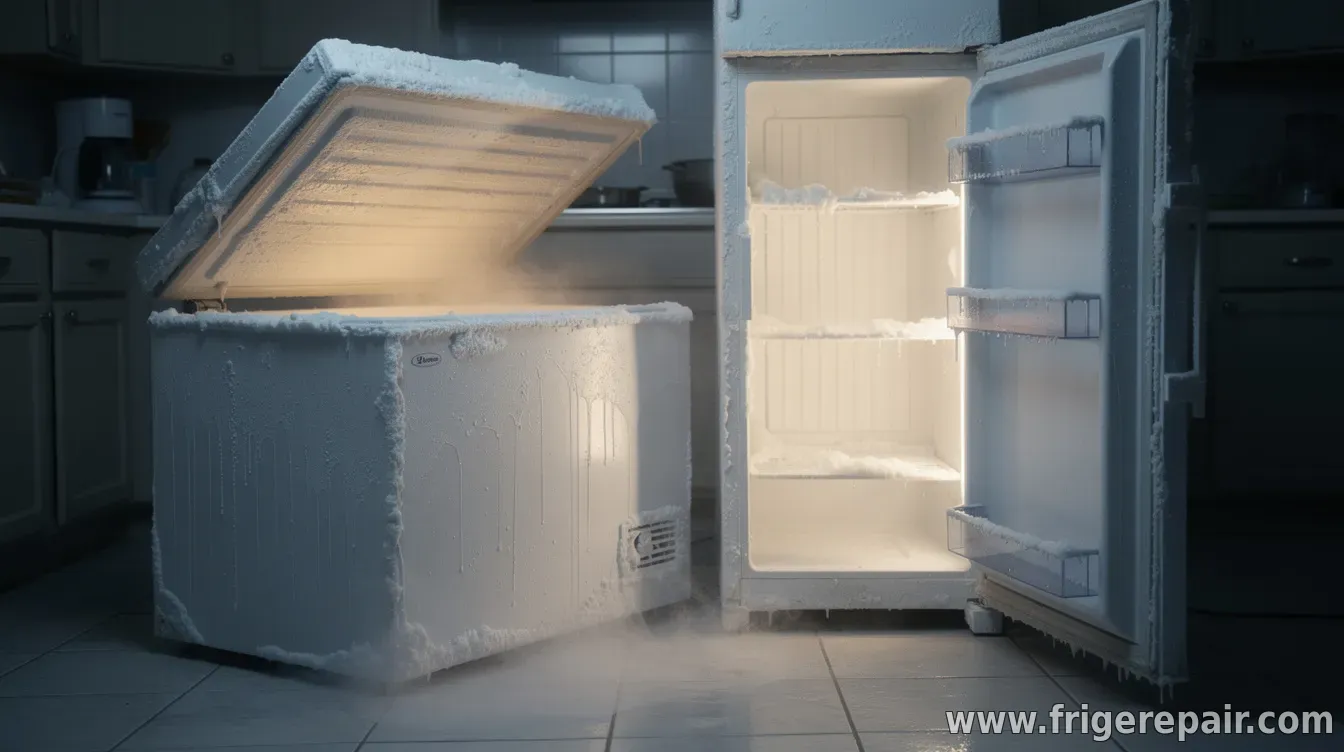
Chest freezers and upright freezers are designed for long-term food storage, but when something goes wrong the symptoms can be confusing. Whether your freezer is not staying cold, building excessive frost, or suddenly running louder than usual, a methodical check can often pinpoint the cause.
Warm spots are the most common complaint. If the interior isn’t maintaining the right temperature, start with the basics: confirm the thermostat setting, verify the unit is plugged in securely, and check whether the door is closing fully. A thin layer of ice on the door gasket area or a warped gasket can let warm air in, causing the freezer to “work harder” without reaching target temperatures.
Frost, ice, and airflow problems
Excessive frost is another frequent issue, especially in upright models. Some frost is normal, but heavy buildup can restrict airflow (in many upright designs with internal fans) or indicate a problem with the door seal. For che
... Read more »
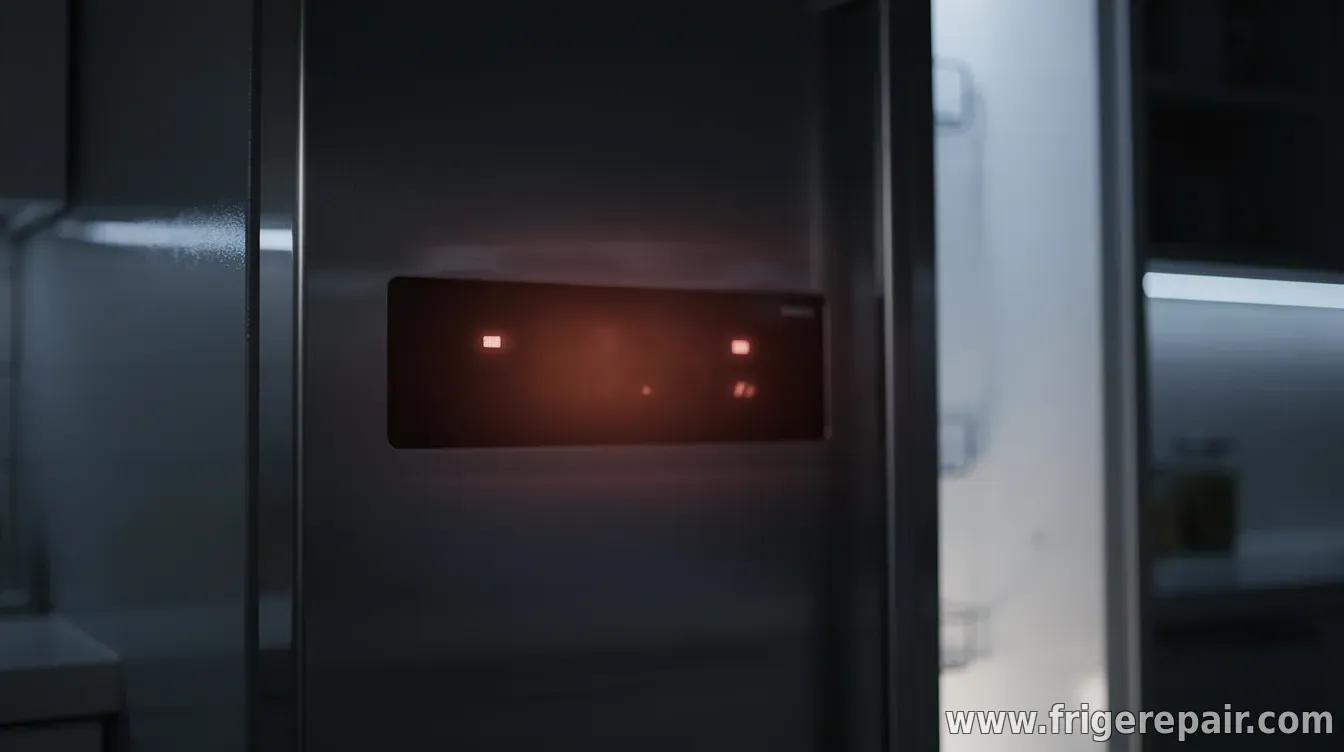
A refrigerator that suddenly starts beeping or displays an error code can be concerning—but many alerts are triggered by common, fixable conditions. While some issues require a technician, several quick checks can often narrow down the cause and prevent food spoilage.
First, pay attention to the pattern and display. Continuous beeping, intermittent alarms, or a blinking indicator can point to different problems. If your model shows a specific code (for example, for temperature or defrost), note it down exactly as it appears.
Common triggers for beeping and alarms
Many refrigerators beep when the temperature inside drifts out of range, when the door isn’t fully sealed, or when the unit detects a problem with the cooling cycle. Other frequent triggers include ice-maker or water-dispenser faults, blocked vents, or recent power interruptions that make the refrigerator re-check its operating state.
If the alarm seems “door-related,&rdqu
... Read more »