8:20 AM How to Clean Your Dryer Vent and Reduce Fire Risk | |
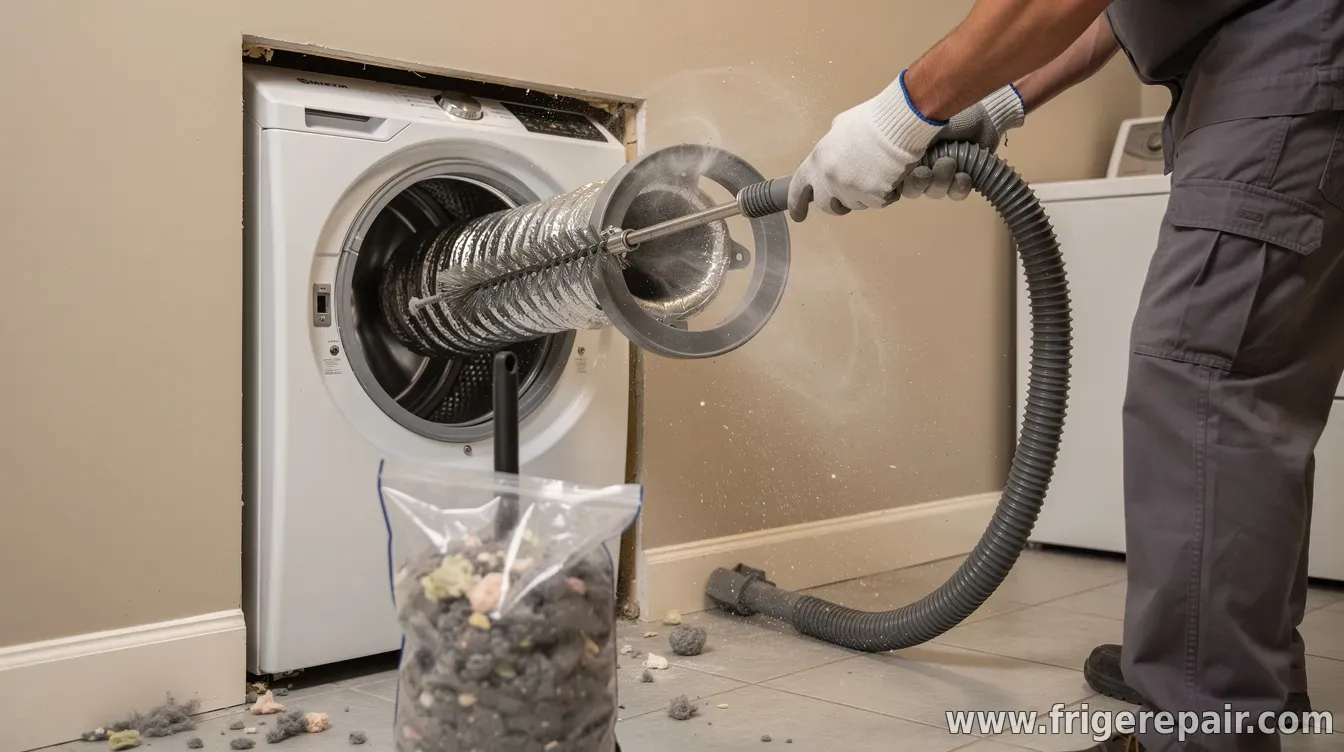 Blocked or clogged dryer vents are a common—and preventable—cause of residential dryer fires. When lint accumulates in the vent line, airflow drops, dryer temperatures rise, and heating elements and nearby materials can overheat. The good news: with the right tools and a careful routine, most homeowners can significantly reduce fire risk. Start by understanding what you’re trying to fix: a dryer vent system is designed to move hot, moist air from the dryer to the outside. Lint is a byproduct of drying clothes, and over time it settles inside the vent, especially where the duct runs through walls, bends, or connects to the dryer and exhaust hood. When to clean (and when to call a professional)Consider cleaning your dryer vent at least once a year, and more often if you dry heavy fabrics (towels, jeans, blankets), use the dryer frequently, or notice performance changes. Strong warning signs include clothes taking longer than usual to dry, a burning smell during or after cycles, excessive heat in the laundry area, or the dryer becoming unusually hot to the touch. If you suspect the vent is severely clogged, damaged, or crushed, it may be safer to hire a professional vent cleaning service. What you’ll needBefore you begin, gather supplies to remove lint without damaging components. A typical toolkit includes:
If your vent uses rigid metal duct, cleaning is usually straightforward. If you’re using flexible plastic ducting, check the condition carefully—flexible sections can trap lint and may be harder to clean thoroughly. Step-by-step: Clean your dryer vent safely1) Unplug the dryer. For electric dryers, disconnect power. If you have a gas dryer, turn off the gas supply before moving the unit. 2) Pull the dryer away from the wall. Move it gently to avoid stressing the vent connection. If the duct is tight, inspect first before disconnecting. 3) Disconnect the vent from the dryer. Remove the hose/duct connection carefully. For many setups, clamps or foil-style connectors require loosening before separation. 4) Clean the dryer’s lint trap area. Wipe out lint around and behind the lint filter housing. Even when filters are cleaned each load, lint can accumulate in nearby cavities. 5) Vacuum lint from the duct and use a brush. Use the vacuum to remove loose lint where you can reach. Then insert the vent brush/rod kit into the duct from the dryer side (or from the exterior if access is easier) and work it through the length of the vent. Rotate or move the brush steadily to dislodge buildup. 6) Clean the exterior vent hood. Go outside and remove lint from the vent outlet hood. Check that the flapper door opens freely and that there’s no blockage from leaves, nests, or accumulated debris. 7) Reconnect and verify airflow. Reattach the duct securely, ensuring connections are tight and aligned. If your ducting includes screws or clamps, use appropriate fasteners. Avoid kinks or excessive bends. Once the dryer is back in place, run a short test cycle and confirm that it expels warm air strongly and efficiently. Prevent fire hazards: what to do after cleaningCleaning helps, but prevention depends on airflow and safe materials. Use rigid or semi-rigid metal ducting whenever possible, and keep the vent run as short and straight as your home allows. Minimize bends; each turn can slow airflow and increase lint accumulation. Also practice daily/regular habits: empty the lint screen before every load, wipe down the lint screen housing when you notice residue, and avoid overloading the dryer. If drying times steadily increase after cleaning, the issue may be a deeper blockage or a design/ducting problem that warrants professional inspection. Safety remindersDo not use flammable cleaners or open flames near lint. Be cautious when moving the dryer, especially around gas lines or electrical connections. If you find torn ducting, excessive corrosion, or a vent path that’s difficult to access or appears damaged, stop and get professional help to avoid creating new leaks or fire risks. With consistent maintenance—especially annual vent cleaning and prompt attention to warning signs—you can reduce overheating and keep your dryer operating safely and efficiently. | |
|
| |
Next & Previous posts
Related articles: