8:18 AM How to Extend the Lifespan of Kitchen Appliances |
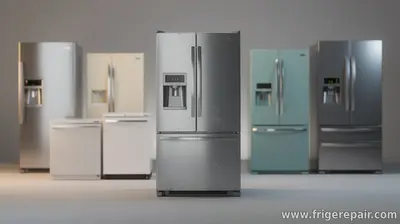
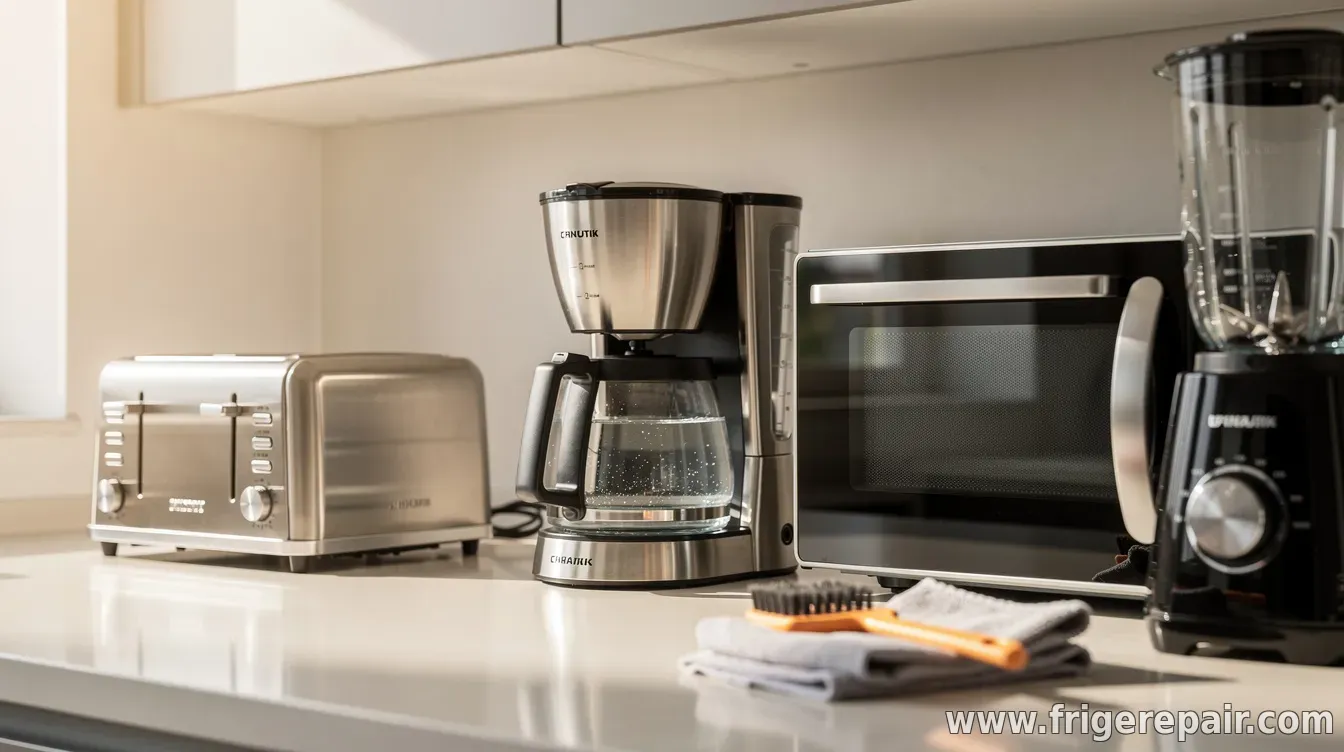 Kitchen appliances can last for years—if you treat them like equipment rather than disposable tools. The fastest way to shorten lifespan is usually the same: neglecting routine cleaning, forcing appliances to work under heavy strain, and skipping small warning signs that point to bigger problems. Below are practical, low-cost steps to help refrigerators, dishwashers, microwaves, ovens, coffee makers, mixers, and small countertop devices run more efficiently for longer. Clean regularly, but clean correctlyMost premature failures come from grime and buildup. Grease can clog vents and reduce airflow in ovens and ranges, while food residue can interfere with sensors and drainage in dishwashers. Follow the manufacturer’s guidance for what detergents and parts are safe to use, especially for electronics and seals. For many appliances, the best approach is a simple rhythm: wipe after use, remove crumbs before they harden, and deep-clean on a monthly (or seasonal) schedule. Pay extra attention to filters and removable components—these are often the most neglected parts. Use the appliance within its designed limitsOverloading, using the wrong settings, or running appliances longer than necessary increases heat stress, motor strain, and wear on moving parts. For example, dishwashers loaded too tightly can prevent proper spray coverage, leading to repeat wash cycles and extra strain. Likewise, ovens and air fryers benefit from letting preheating and airflow work as intended rather than constantly opening the door. When unsure, choose the recommended mode for the task and avoid “workarounds” that bypass safety or airflow requirements. Efficient operation is kinder to the appliance than aggressive shortcuts. Maintain airflow, seals, and water pathwaysMany major appliances rely on airflow and properly functioning seals to regulate temperature. A refrigerator that has dirty coils, a worn door gasket, or blocked vents will work harder—raising energy use and accelerating component wear. Similarly, dishwashers and coffee makers depend on clean water pathways to prevent mineral buildup that can reduce heating performance. Inspect door seals for gaps, keep vents unobstructed, and clean or replace filters according to the manual. If you notice lingering odors, slow drainage, or uneven cooling/heating, treat those as early indicators rather than waiting for a full breakdown. Descale and deodorize where hard water is involvedHard water is a common culprit for reduced heating efficiency in kettles, espresso machines, and many countertop coffee makers. Scale buildup can act like insulation inside heating elements, forcing appliances to run longer and increasing heat-related wear. Use descaling solutions recommended for the specific appliance, and rinse thoroughly afterward. For refrigerators and microwaves, odor control matters too: clean spills promptly, wipe interior surfaces with safe cleaners, and avoid leaving old food residues that can seep into crevices and vents. Watch for early warning signs and act fastInstead of waiting for a complete failure, address symptoms early. Unusual noises, inconsistent temperatures, error codes, frequent cycling, leaks, or slow performance often point to a solvable maintenance issue—such as clogged filters, failing fans, worn belts, or sensor problems. If an appliance still functions but is acting “off,” document what you’re seeing (when it happens and under what conditions). That information speeds up troubleshooting and can make repairs less expensive. Schedule preventive maintenanceA simple seasonal plan can extend appliance lifespan more than any single upgrade. Consider tasks like cleaning refrigerator coils, checking the condition of dishwasher filters, testing microwave ventilation paths, and inspecting oven burners/heating elements for residue buildup. If your appliance includes a user-replaceable part—such as filters or fan components—staying ahead of recommended replacements can prevent the appliance from working harder to compensate for restricted performance. Extending the lifespan of kitchen appliances comes down to consistent care: clean the right way, use settings correctly, keep airflow and water pathways clear, and respond quickly to early warning signs. With a bit of routine maintenance, you’ll reduce repairs, improve performance, and get more value from every appliance in your home. |
|
|
Next & Previous posts
Related articles: