
5:11 AM Repair vs. Replacement: When Fixing Pays Off | |
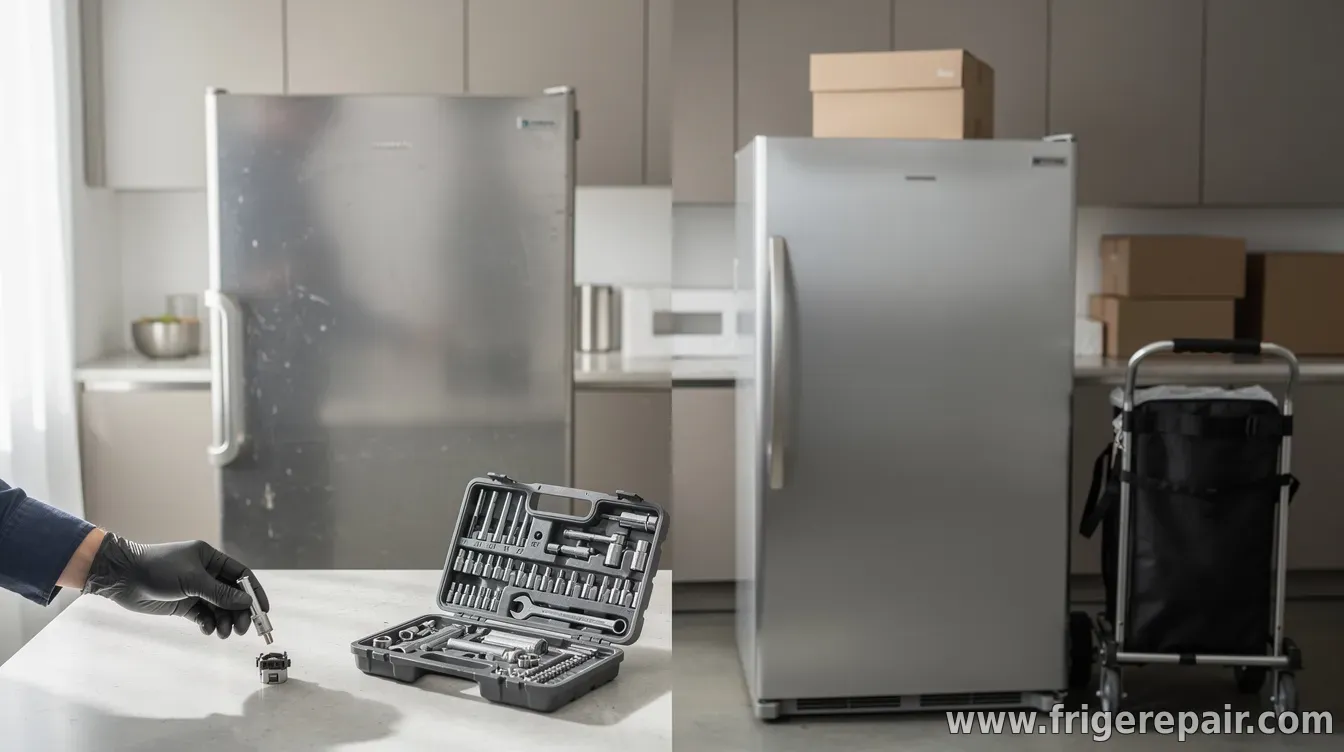 When a refrigerator stops cooling or a washing machine won’t drain, the first question is usually simple: should you pay for repairs or buy new? The best choice depends less on guesswork and more on a few measurable factors—especially repair cost, appliance age, and overall reliability. Below is a decision framework you can use before approving a service call, replacing the unit, or committing to a new model. 1) Compare the repair quote to replacement costA good rule of thumb: if the repair estimate is relatively close to the price of a comparable replacement (often around 50–60% of the new unit), replacement may be the better long-term value—especially if the appliance is already nearing the end of its typical lifespan. If the quote is much lower and the issue appears specific (for example, a failed thermostat, capacitor, or clogged drain line), repair can be the economical path. Be sure to ask for a clear breakdown: parts cost, labor cost, and whether the technician expects additional related failures (for instance, “If this valve fails, the neighboring component is also prone”). 2) Consider the appliance’s age and service historyMost appliances have a practical lifespan. If your unit is significantly older and you’ve already paid for multiple repairs in recent years, it may be signaling broader wear rather than a one-off failure. In contrast, a newer appliance with a limited repair history is more likely to return to reliable service after a single fix. Also factor in how “normal” the issue is for that model and what warranty coverage exists. If your appliance is still under warranty or a manufacturer service plan, that can drastically change the repair math. 3) Estimate total future risk from repeated breakdownsOne repair can be worthwhile; repeated repairs often aren’t. If your appliance breaks down again shortly after the fix—or if it’s developed multiple symptoms (such as unusual noises plus inconsistent heating, or leaks plus electrical faults)—that’s a sign the underlying system may be deteriorating. When speaking with a repair professional, ask whether the current problem is likely to be resolved permanently or whether it points to a larger component failure. 4) Account for energy and performance savingsOlder appliances may cost more to run. If the repair is minor but your unit is also inefficient (for example, a refrigerator that struggles to maintain temperature, an older dryer that takes significantly longer, or a dishwasher that underperforms), upgrading can pay back through lower utility bills—sometimes faster than expected. If you’re considering replacement, compare the appliance’s estimated energy use and features against the efficiency rating of newer models. Even modest improvements can matter over time, especially for frequently used appliances like refrigerators, clothes washers, dryers, and water heaters. It’s also worth thinking about performance. If your appliance no longer meets your needs—such as inadequate capacity, inconsistent cycle times, or ongoing leaks or temperature swings—repairing may restore function but not necessarily convenience or dependability. 5) Watch for safety- or damage-related red flagsSome issues aren’t just inconvenient; they can be risky. If a technician identifies electrical hazards, persistent water pooling, burning smells, or repeated tripping of circuits, the “repair vs. replace” decision should weigh safety heavily. In many cases, it may be better to replace rather than continue investing in repairs that could expose you to further damage. Likewise, if the appliance has caused secondary damage—such as water damage to flooring, mold risk, or corrosion that affects surrounding components—repairing may be insufficient to fully protect your home. Ultimately, the most cost-effective decision is usually the one that minimizes both immediate expense and future downtime. A single well-scoped repair for a relatively young appliance can be a smart choice. But if repair costs are high, failures are recurring, efficiency is poor, or safety risks are present, replacing the appliance often provides better value and peace of mind. If you want a faster decision, gather three inputs: the repair quote (including parts and labor), the appliance’s age and recent repair history, and—when replacement is on the table—rough pricing and efficiency comparisons. With those, you can choose confidently based on total cost over time rather than a one-time fix. | |
|
| |
Next & Previous posts