9:02 AM Dishwasher Making Loud Noises: Common Causes and Fixes | |
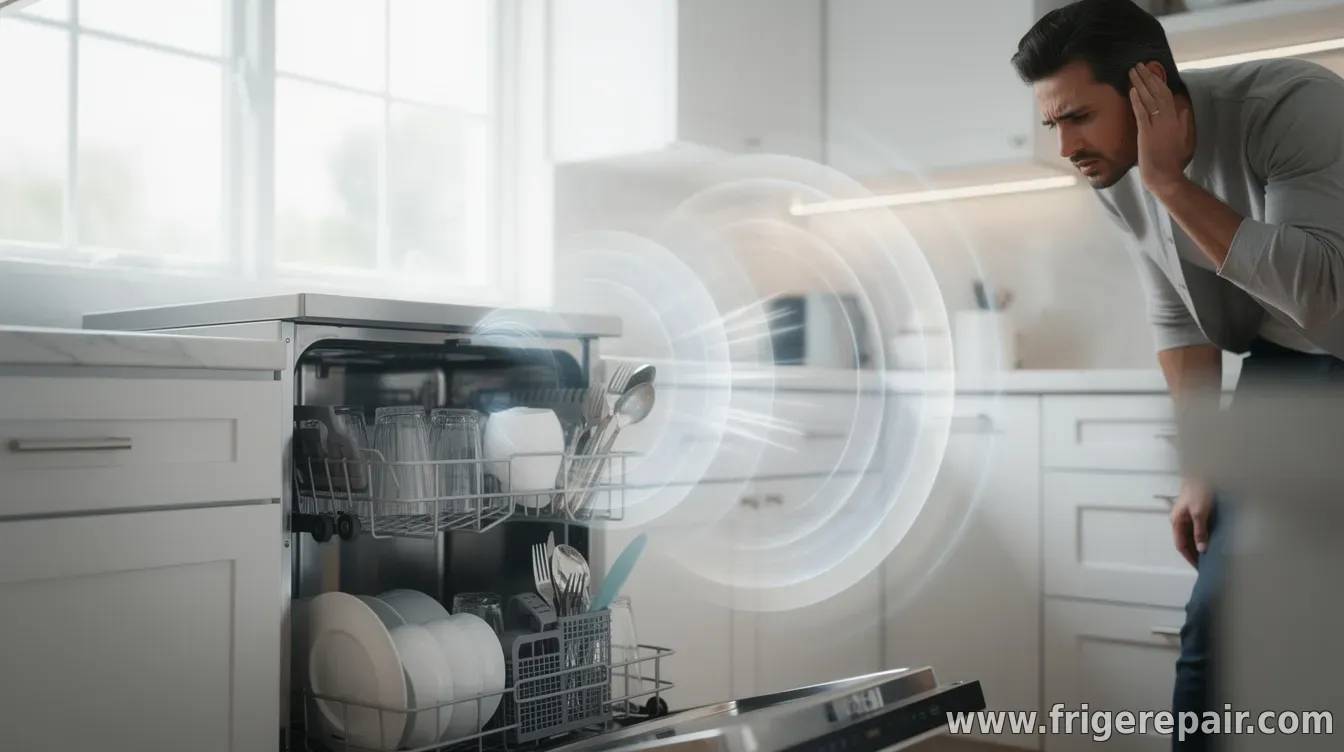 Dishwashers are designed to run quietly, so loud noises are a strong clue that something is wrong. While some sounds are harmless (such as water flow sounds), sudden banging, grinding, or persistent roaring often point to a mechanical problem that can worsen if ignored. In most cases, the safest first step is to stop the cycle, unplug the unit (or switch off the breaker), and inspect the interior for obvious issues. Once you can see what’s happening, the type of noise becomes a useful guide for narrowing down the cause. 1) Rattling, clattering, or knockingIf you hear rattling or knocking during wash, a common culprit is loose items or parts that are striking the spray arms. Utensils that shift, a cutting board, or a poorly loaded rack can hit the rotating arm—sometimes producing a sharp knock that repeats each time the arm turns. Check that dishes are properly seated and that nothing can fall into the rack’s movement path. Then manually rotate the spray arms (with power off) to confirm they spin freely and aren’t scraping the tub or racks. 2) Grinding or scraping soundsGrinding or scraping often indicates that an object is trapped in or near the drain area, or that the drain filter needs cleaning. Food debris, broken glass, or small pieces of packaging can become lodged and create metal-on-debris sounds. Clean the filter and remove any visible debris from the sump area. If the noise continues after clearing the drain region, the issue may involve a worn pump component or an obstruction that’s harder to reach. 3) Humming, roaring, or loud whirringA loud hum or roaring can be related to drainage or water circulation. For example, a partially clogged drain line or dirty filter can make the pump work harder, increasing noise. Similarly, water inlet or circulation issues can change sound patterns during certain cycle stages. Try running the dishwasher empty and observe when the sound occurs—during the wash phase, rinse phase, or while draining. That timing can help determine whether the problem is tied to filtration, circulation, or pump/drain operation. 4) Common “quick checks” before calling for serviceBefore you escalate to a technician, a few straightforward checks can resolve many noise complaints:
If the dishwasher is new or the noise appeared after an installation or part replacement, re-check alignment, rack fit, and any components that were removed during service. When to stop using the dishwasherContinue only if the sound clearly improves after cleaning or reloading. Stop and seek professional help if you notice persistent grinding, burning smells, repeated tripping of the breaker, leaking near electrical parts, or water that never drains. These signs can indicate a failing pump, damaged motor assembly, or an electrical/mechanical safety issue. As a general rule, loud noises that grow worse over time are not just an annoyance—they can lead to damaged components and higher repair costs. Replacing parts without the right diagnosis can also be risky, so if you’ve cleaned filters, removed obstructions, and the noise persists, a service visit is the fastest way to prevent further damage. | |
|
| |
Next & Previous posts
Related articles: