
5:33 AM Freon Leak Symptoms: When to Call a Professional |
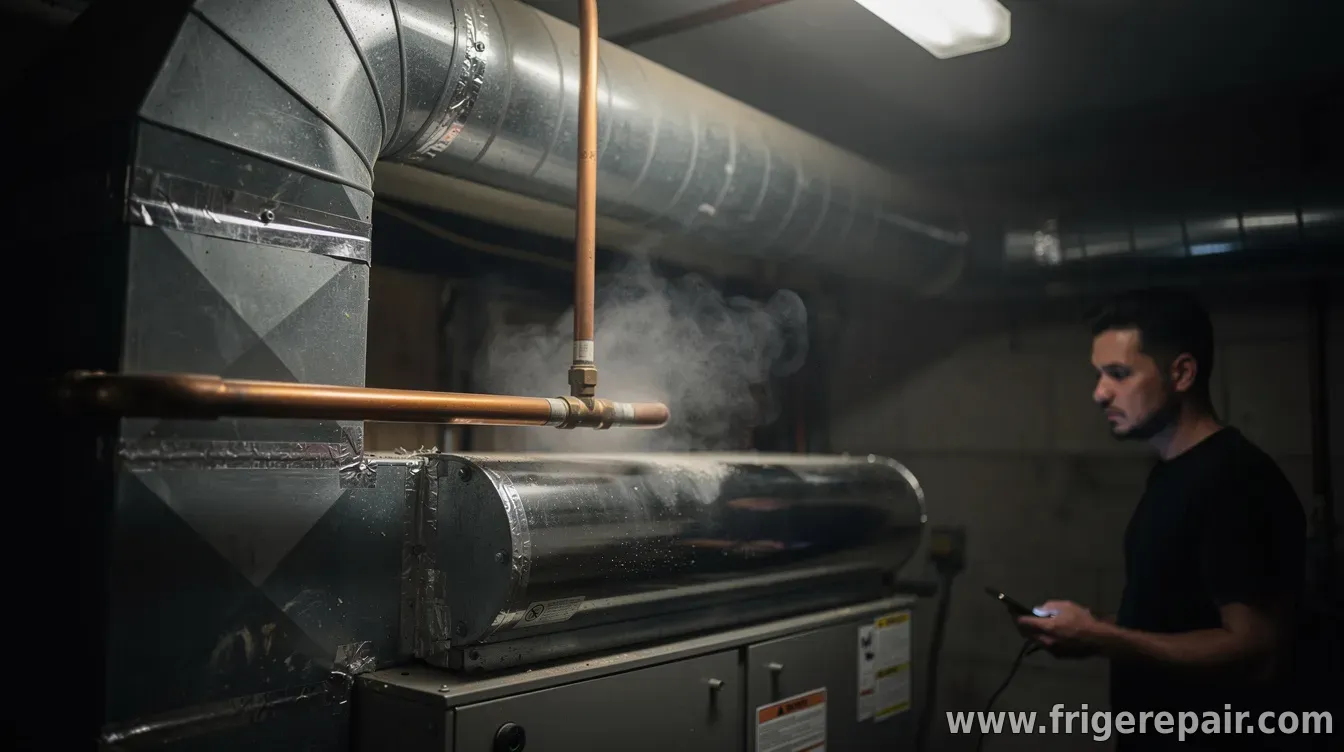 A Freon leak (often referring to refrigerants such as older HCFCs or newer HFC blends) can be hard to spot until it affects cooling performance. While some early clues are noticeable, refrigerants are not something homeowners should handle directly—especially because leaks can create safety risks and damage equipment over time. Common symptoms of a possible Freon leakOne of the clearest signs is inconsistent cooling. If your air conditioner runs longer than usual, struggles to reach the set temperature, or cycles on and off repeatedly, low refrigerant from a leak may be the cause. Other frequent indicators include ice or frost on the refrigerant lines, evaporator coil, or indoor unit. This can happen when refrigerant levels drop, affecting heat transfer and causing moisture to freeze on components. You may also notice unusual sounds—hissing, bubbling, or a steady noise near the unit—along with rising energy bills. In some cases, a refrigerant leak can produce a strong, chemical odor (though not all refrigerants are easily smelled), and occupants may report mild irritation from the air. When to call a professional immediatelyCall an HVAC technician promptly if you suspect a leak based on cooling failure, persistent frosting, or repeated cycling. Technicians can confirm refrigerant levels, locate the leak, and repair the source rather than simply refilling the system. Seek urgent service if you detect strong chemical odors, experience respiratory irritation (burning eyes, throat irritation, coughing), or see signs of leaks near living areas or poorly ventilated spaces. If refrigerant is discharging actively, leave the area and contact professionals for guidance. Also contact a pro right away if your system is older and uses legacy refrigerants, or if you suspect leaks after recent maintenance or repairs. Proper leak detection and correct refrigerant handling depend on the specific system and refrigerant type. Why “topping off” is not a solutionFreon leaks should be treated as a repair problem, not a refilling problem. Refrigerant can’t be safely added as a workaround because the leak will likely continue, potentially leading to compressor damage and increased costs. Professional teams typically use leak-detection tools and pressure testing, then repair or replace the affected component. Afterward, they verify the system’s performance and ensure refrigerant levels meet manufacturer specifications. What to do while waiting for serviceTurn off the affected appliance if cooling has stopped or if you suspect active leakage. Avoid DIY attempts to locate or seal leaks, and don’t try to handle refrigerant containers or recharge equipment. If you’re comfortable doing so, keep airflow and ventilation normal—opening windows where appropriate—while keeping people and pets away from the area if you smell a strong chemical odor. Document symptoms (dates, temperatures, frost locations, noises) to help the technician diagnose faster. Freon leak symptoms can range from subtle performance changes to clear signs like frosting or abnormal sounds. But when it comes to refrigerants, the best next step is professional diagnosis—especially if you notice cooling problems, visible ice, or any signs of irritation. Getting help early can protect indoor air quality and prevent costly equipment damage. |
|
|
Next & Previous posts