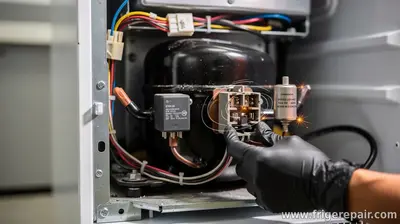
9:56 AM Dryer Not Heating Up? Common Causes and Fixes |
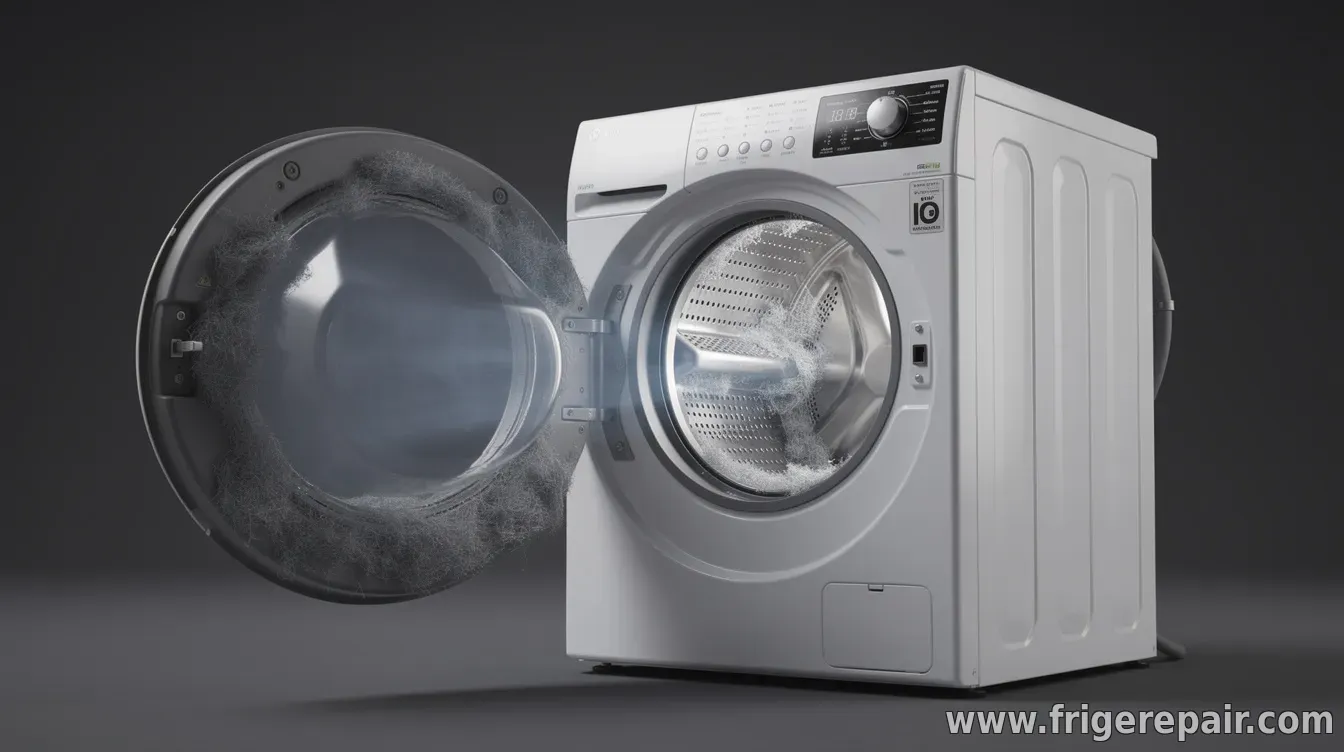 A dryer that runs but doesn’t heat is frustrating—and it can also signal a safety-related fault. The good news: in many cases, the problem is limited to the dryer’s heating system components rather than the motor or drum. Below are the most common reasons a dryer stops producing heat, how to narrow down which part may be responsible, and when it’s best to stop troubleshooting and call a professional. Start with the simplest checksBefore testing components, confirm the dryer is actually calling for heat. For electric models, check that the dryer is receiving power as expected (avoid using an overloaded circuit or incorrect outlet). For gas models, verify the unit is igniting and that the burner starts. Also consider whether the issue is new or gradual: sudden “no heat at all” often points to a protective control (like a thermal fuse), while inconsistent warmth can suggest a heating element or thermostat problem. Heating element or heat source failure (electric and gas)On electric dryers, a worn or broken heating element is a frequent cause of “runs but no heat.” On gas dryers, heating depends on ignition and fuel delivery; failures in ignition components can leave the drum spinning but the air staying cool. If your dryer shows no signs of heating on a gas unit—such as no burner flame or no ignition click—focus attention on the gas ignition system rather than the drum motor. Thermal fuse and thermostats: common safety-related culpritsDryers protect themselves from overheating using a thermal fuse and one or more thermostats. If airflow is restricted or temperatures rise too high, these safety devices may open and permanently cut off heat. Restricted airflow is especially common: clogged lint filters, blocked ducts, or venting that traps moisture and heat can trigger protective shutdowns. Even when the fuse fails, the dryer may still run normally without heat to prevent further danger. Blocked venting and airflow problemsAirflow issues don’t just reduce performance—they can stop heating entirely by causing overheating conditions. A blocked or undersized vent can also contribute to long drying times and excessive heat buildup inside the cabinet. Cleaning the lint screen thoroughly and inspecting the vent path for blockages (including lint buildup and crushed ducting) is one of the highest-impact steps you can take before replacing parts. When the fix may require serviceIf you’ve ruled out vent blockages and the dryer still tumbles without heat, the next steps often involve testing components with a multimeter. Because some parts are safety-critical and access may vary by model, the safest approach is to consult a qualified technician—particularly for gas models. A service professional can confirm whether the issue is a failed heating element, thermal fuse, thermostat, or (for gas dryers) ignition or gas-control components—without guessing. Whatever the cause, the key is to treat “no heat” as a diagnostic problem: airflow and safety protections come first, then the heating circuit components. With targeted checks, you can often pinpoint the failure and restore warm drying performance. |
|
|
Next & Previous posts
Related articles:
![]()