12:49 PM Repair vs. Replace: When an Old Appliance Is Worth Fixing | |
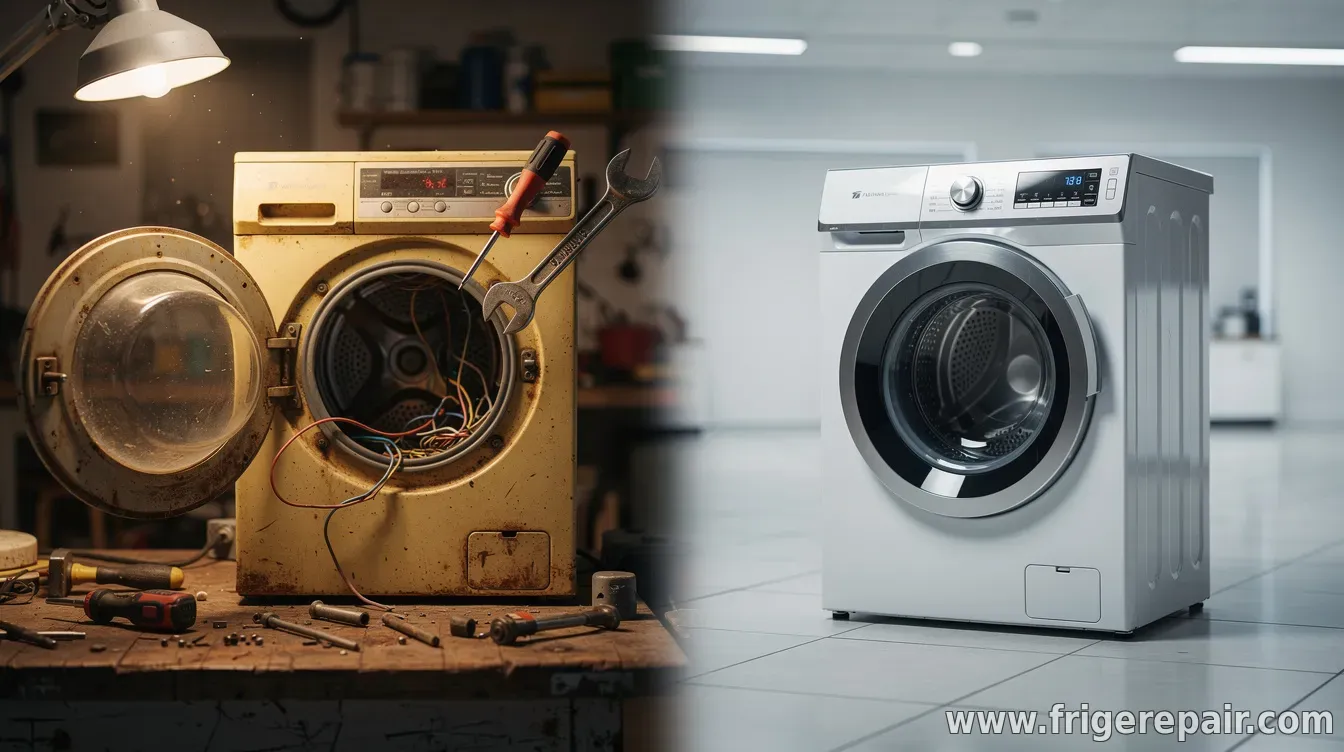 When an appliance breaks, many homeowners immediately ask the same question: should they pay for a repair or start shopping for a replacement? The answer is rarely one-size-fits-all, but you can make a clearer decision by comparing repair costs to replacement value, considering the appliance’s age, and looking at reliability trends. 1) Use the “repair-to-replacement” cost checkA common rule of thumb is to repair if the estimated cost is significantly lower than buying new. If the repair estimate is around 50% or less of the price of a comparable replacement, fixing it may be the smarter move—especially if the appliance has been dependable aside from this issue. If the repair quote approaches or exceeds the cost of a new unit, replacement often wins. This is especially true for items where parts and labor can add up quickly, such as refrigerators, ovens, dishwashers, and HVAC-adjacent appliances. 2) Factor in age and expected remaining lifespanAge matters because an old appliance is more likely to need additional repairs after one fix. If the appliance is nearing the end of its typical service life, paying for repairs can become a cycle of recurring problems rather than a long-term solution. As a practical approach, consider how long you reasonably expect the appliance to last after the repair. If the technician’s assessment suggests only a short runway, it may be better to replace. 3) Consider energy use and operating costsNewer appliances are often more efficient than older models, which can reduce electricity and water bills over time. If your appliance is older and already known for high energy or water consumption, replacement can make financial sense even if the purchase price is higher—particularly if repairs would keep it running for only a limited period. For washers, dishwashers, and refrigerators especially, the operating-cost difference can be meaningful over several years. 4) Look for safety, performance, and “repeat repair” signalsSome failures are red flags where repair is less attractive. Persistent leaks, recurring electrical issues, malfunctioning heating elements, or problems affecting ventilation (like range hoods or dryers with airflow issues) may indicate deeper wear. In those cases, replacing the appliance may be the safer and more cost-effective choice. Also watch for repeated breakdowns. If the same appliance has required multiple repairs in recent history, the likelihood of additional failures rises, and the overall cost of staying with the current unit may exceed replacement. To make the decision easier, ask the repair professional a few targeted questions: What exactly is failing, what part(s) need replacing, and what is the expected lifespan after the repair? Is there any evidence of broader underlying damage? Getting clear answers can help you compare outcomes rather than just invoices. For many households, the most rational path is a simple comparison: estimated repair cost versus the price of a comparable new appliance, adjusted for how reliable the current unit is likely to be going forward and how much it costs to run today. If repair offers long-term stability at a reasonable price—great. If the numbers, age, efficiency, or safety concerns point the other way, replacing can be the better investment. Ultimately, the “best” decision is the one that reduces risk and surprise expenses while aligning with your budget and time horizon. Whether you repair or replace, a structured evaluation helps you move from guesswork to a confident, informed choice. | |
|
| |
Next & Previous posts
Related articles: