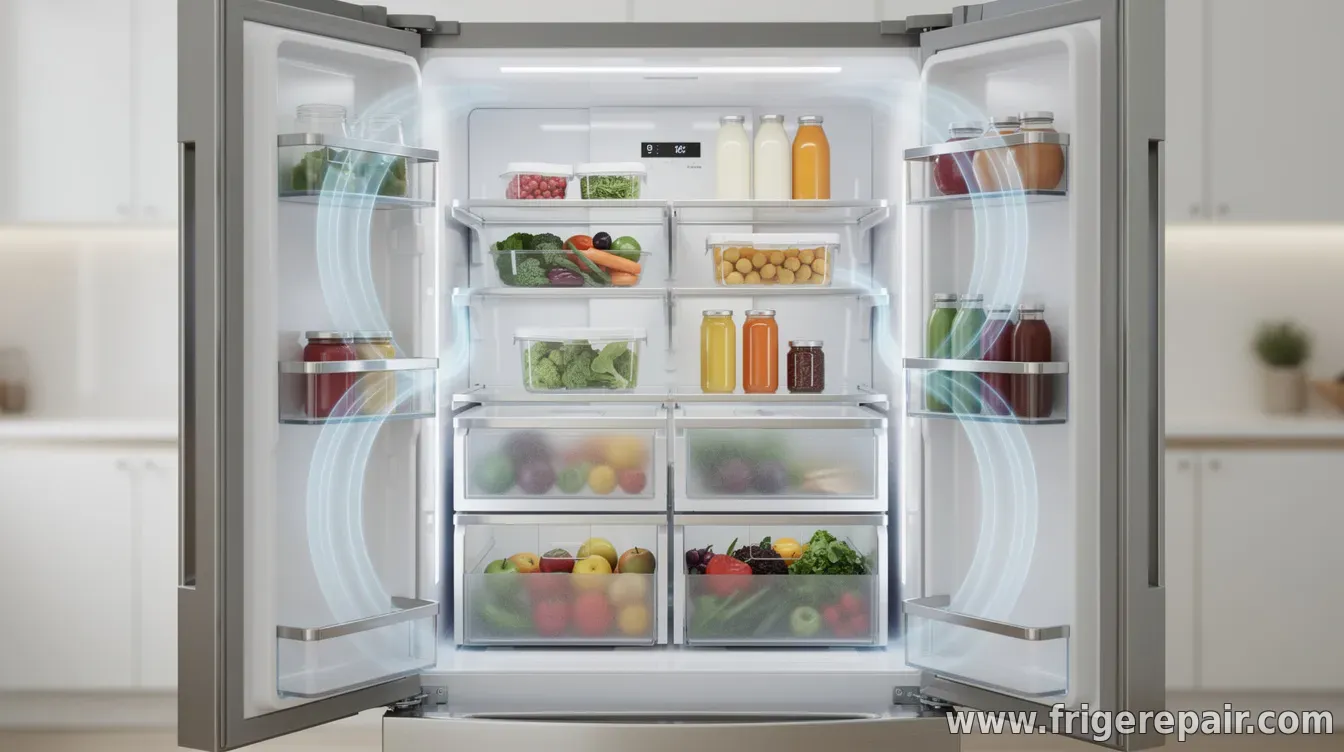
Improper organization inside a refrigerator can restrict airflow, causing the compressor to work harder and use more energy. A well-ordered fridge not only preserves food more evenly but also trims electricity bills over time.
Key steps to improve airflow
Start by clearing space around the back and sides of the condenser coils (if accessible). Dusty coils reduce cooling efficiency and raise energy use. Aim to clean them every 6–12 months or per your appliance manual.
Use open, uniform shelving rather than stacked, crowded piles. Air should circulate horizontally; avoid blocking vents with tall items or stacked containers.
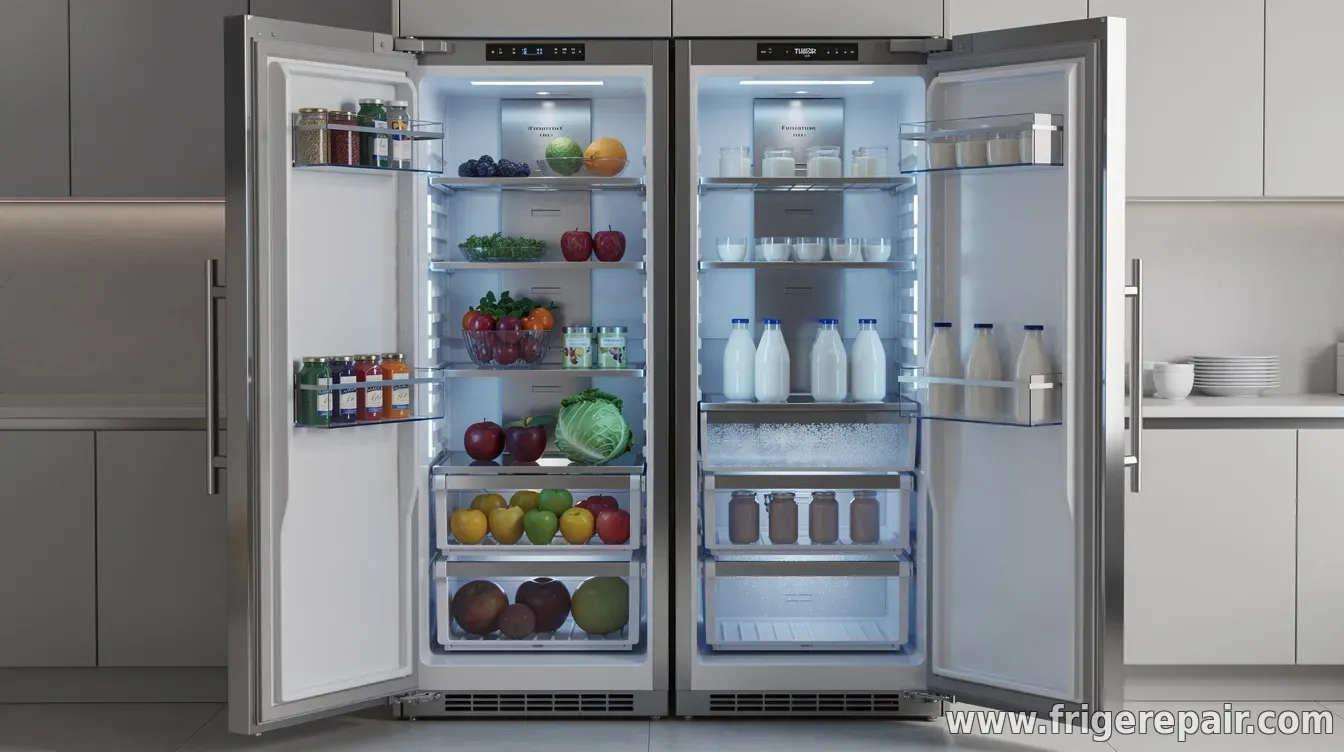
Group items by temperature needs. Keep dairy and leftovers in the main body where temperatures are stable, and place drinks and condiments in door shelves that experience the most temperature fluctuation.
Let hot or warm items cool to room temperature before refrigeration. Placing warm food directly into the fridge fo
... Read more »
Maintaining the right temperatures in your fridge and freezer is crucial for food safety and quality. The general rule of thumb is to keep the fridge at about 37°F and the freezer at 0°F . These settings slow bacterial growth without causing unnecessary wear on the appliance.
Why these temperatures matter: Refrigeration slows the growth of most bacteria, while freezing stops it almost completely. Going even slightly above the recommended range can shorten shelf life and increase the risk of foodborne illness. Conversely, setting temperatures too low wastes energy and can compromise certain foods, such as produce that prefers moisture and higher humidity levels inside crisper drawers.
Practical tips to achieve and maintain the right temps include regularly checking the thermometer on the fridge and freezer, avoiding overpacking the compartments, and allowing air to circulate. Use the door shelves sparingly for items that are less temperature-sensitive, s
... Read more »
Many households rely on refrigerators for daily essentials, but age can shift the cost-benefit balance of repairs. A 10+ year-old unit often requires components that wear out, from compressors to sealed systems. Before dialing a repair service, understand the typical lifetime of common fridge parts and how repair costs compare to a new unit’s price.
Current costs and typical lifespans
Average household refrigerators last about 10–15 years, with energy efficiency improvements extending potential usefulness for some models. Common fixes for older units include compressor replacements, sealed-system repairs, thermostat issues, and refrigerant top-offs. Labor and parts can range from a few hundred dollars to exceed $1,000 in rare cases, depending on the model and the problem.
When to repair vs. replace
If the repair cost approaches or exceeds 50–70% of a new fridge’s price, replacement may be the better long-term choice. Consid
... Read more »
In NYC, the cost to run a refrigerator is usually small compared with space heating and air conditioning—but it still adds up over a year. The total price depends on your refrigerator’s energy use (kWh), how long it runs, and the specific Con Edison electric rate you’re on.
Below is a practical way to estimate your fridge’s electricity cost using Con Edison pricing, along with rebate and incentive options that can reduce the effective cost of upgrading to a more efficient model.
1) Start with the key number: refrigerator kWh per year
Most refrigerators list an annual energy use figure on the EnergyGuide label (often in kWh/year). If you have that number, your estimate becomes straightforward: your fridge’s electricity use times your rate per kWh.
If you don’t have the label handy, look up the model’s annual kWh from the manufacturer or use a rule-of-thumb range: many modern, mid-size refrigerators fall rough
... Read more »