12:45 PM Refrigerator Not Cooling? 7 Common Causes and Fixes | |
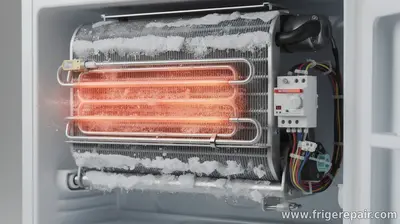
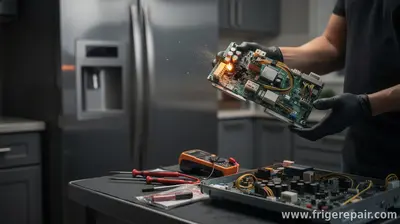
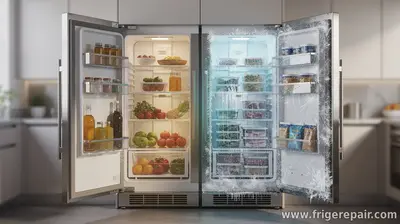
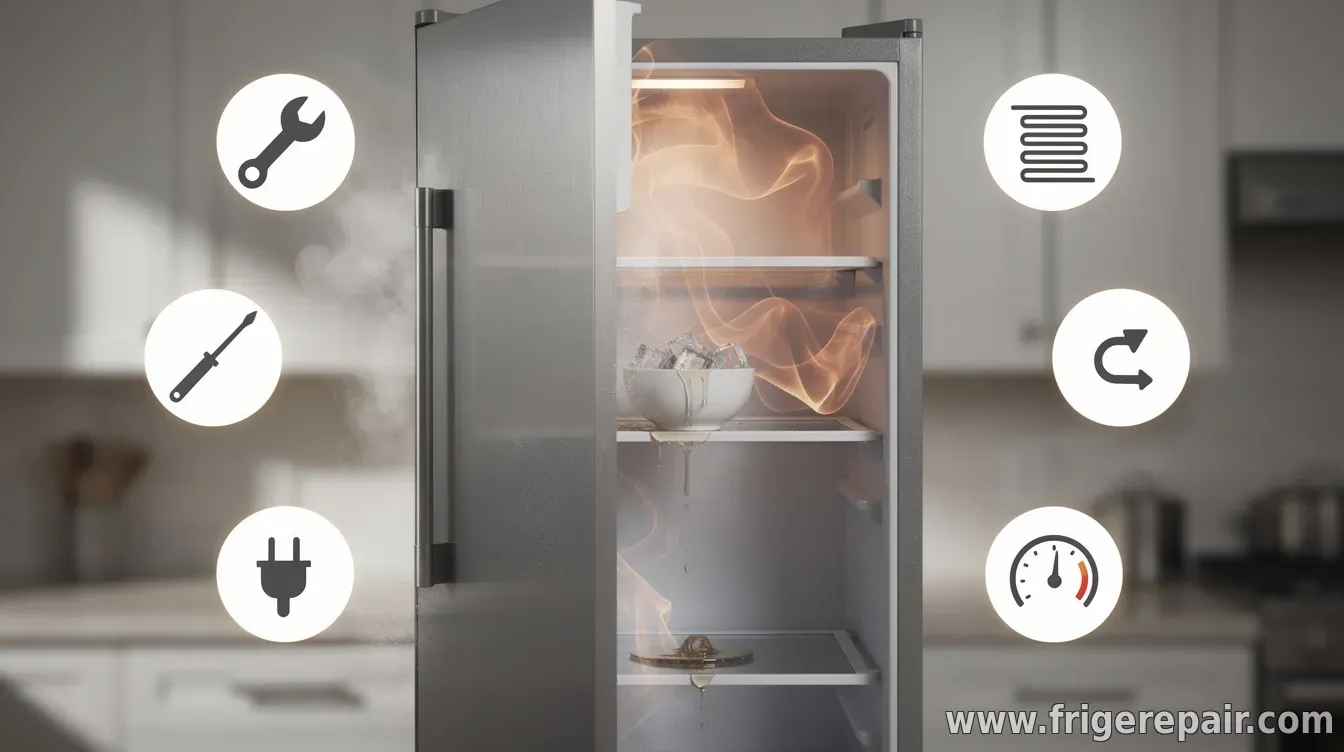 A refrigerator that runs but doesn’t cool is usually a sign of a specific failure point in the cooling cycle—most often related to power, airflow, or temperature control. While some issues require a technician, many troubleshooting steps are quick and safe. 1) Check the thermostat and temperature settingsStart with the basics: confirm the thermostat isn’t set to “Off” or an unusually warm temperature. If the controls are digital, look for warning lights or error codes. A thermostat that’s stuck or misreading temperatures can prevent the compressor from running properly—or keep it from cycling as needed. 2) Look for blocked vents or excess iceCold air must circulate to keep compartments cool. If the air vents inside the fridge are blocked by food, or if the freezer has heavy ice buildup, airflow can be restricted and the fridge won’t cool even when the freezer is running. Defrost cycles and airflow paths should stay clear. 3) Verify airflow fan operation (for models with fans)Many refrigerators rely on a fan to move cold air from the freezer to the fridge. If you hear little to no fan movement—or the freezer seems cold while the fridge stays warm—the fan, its wiring, or its control may be at fault. In some cases, a fan that’s jammed by debris won’t move even when it receives power. 4) Inspect the condenser coils for dirt and buildupOver time, condenser coils collect dust and reduce heat removal, which can lead to poor cooling performance. If you notice a dusty coil area (often near the back or underneath, depending on the model), cleaning can improve efficiency. Always unplug the unit first and follow the manufacturer’s guidance for coil cleaning. 5) Confirm the compressor is runningWhen cooling fails, one of the key questions is whether the compressor is actually turning on. If the compressor won’t start, the problem may be an electrical component such as a start relay/overload, a control board issue, or a power supply fault. If the compressor runs continuously but temperatures don’t drop, the cause may be different. 6) Test the door seals and check for frequent warm-air leaksDoor gaskets (seals) help maintain the cold interior. If the seals are cracked, loose, or not making full contact, warm air can leak in and the refrigerator may struggle to maintain temperature—especially if doors are opened often or left ajar. A quick test is to close the door on a piece of paper; if it pulls out easily, the seal may need attention. 7) Consider defrost system failures or refrigerant issuesIf the freezer has frost/ice where it shouldn’t—or the fridge warms despite normal airflow—the defrost heater and thermostat (or defrost control) may be malfunctioning. In rarer cases, low refrigerant due to a leak can reduce cooling capacity. Refrigerant-related repairs are typically not DIY, but symptoms can include long run times and weak temperature drop. When to call a technician: If you’ve checked settings, cleared vents, cleaned coils, inspected seals, and confirmed whether the compressor/fans are operating—but the unit still won’t cool, a service professional can diagnose electrical components and sealed-system issues safely. Quick safety note: Unplug the refrigerator before inspecting wiring, fans, or coils. Avoid spraying water directly into electrical areas, and always follow your model’s manual for model-specific steps. | |
|
| |
Next & Previous posts
Related articles: