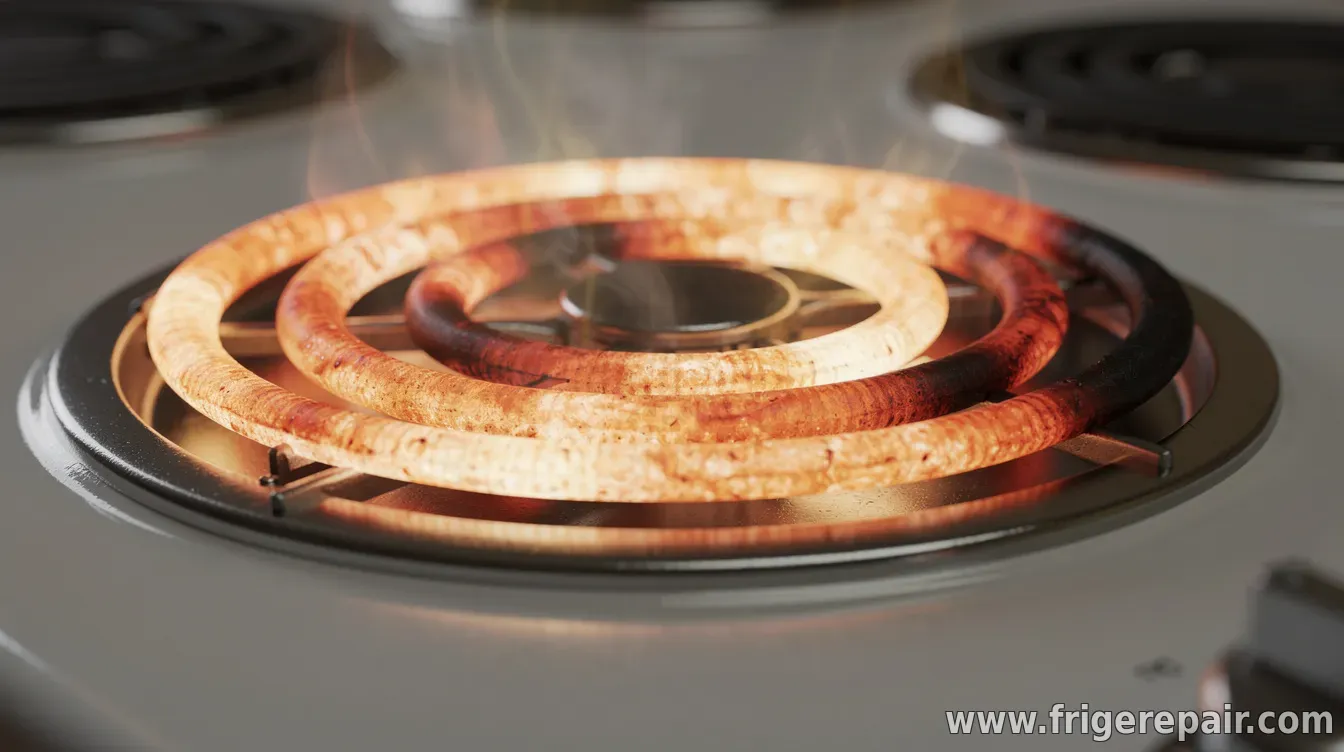
An electric stove burner that doesn’t heat evenly is a frequent complaint—and the causes range from simple cleaning issues to worn components inside the range. Before assuming the burner itself is failing, it helps to check the factors that affect how heat transfers from coil to cookware.
1) Dirty or damaged burner parts
One of the most common reasons for uneven heating is residue build-up. Food splatter, grease, and mineral deposits can interfere with contact and heat transfer. If the burner cap, drip pan (where applicable), or the coil terminals look dirty, the burner may produce “hot spots” or fail to reach full output consistently.
Similarly, if parts are warped, cracked, or not seated properly, heat distribution can become irregular—especially around the outer edges where contact may be weakest.
2) Incorrect cookware contact
Even when the burner is fine, uneven heat can be caused by cookware that doesn&rs
... Read more »
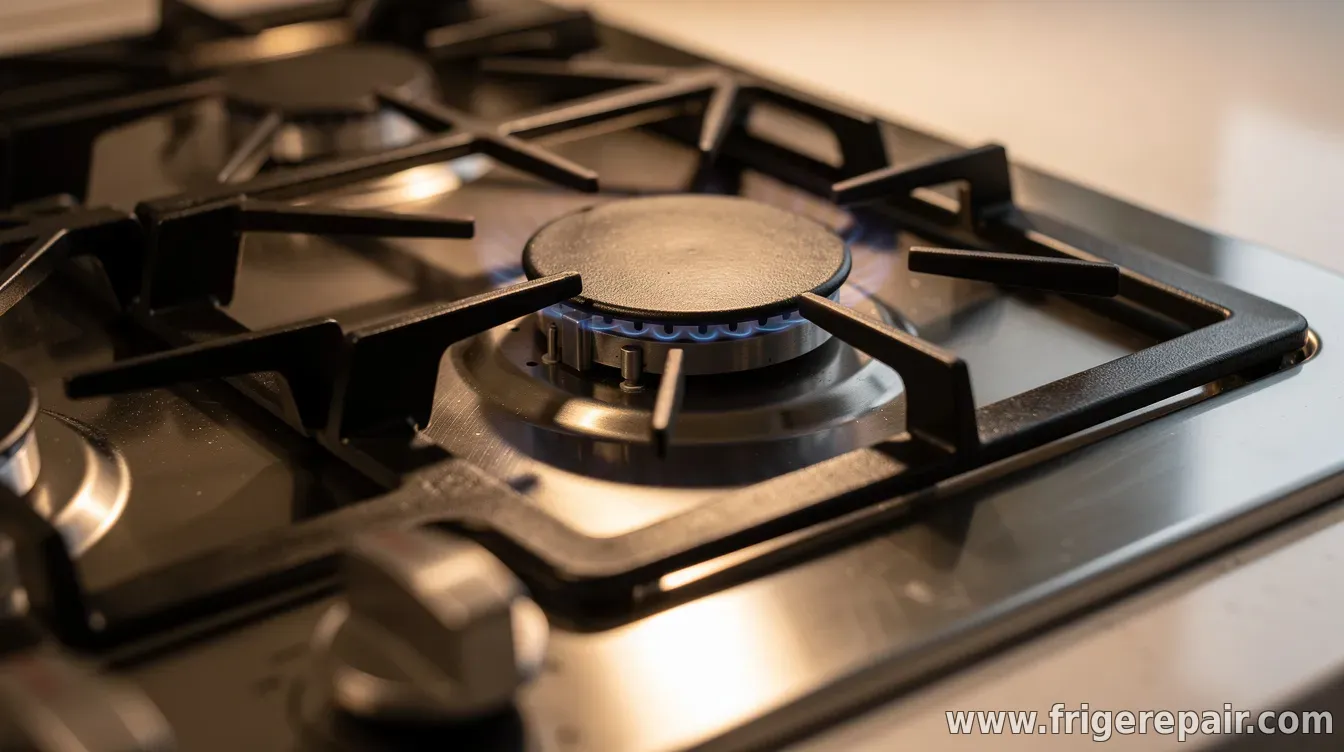
If your gas stove burner won’t light, the cause is often straightforward—an ignition issue, a clogged burner, or a gas-supply problem. Use the steps below in order, starting with the safest checks, to narrow down what’s preventing ignition.
Before troubleshooting: If you smell gas, turn the burner off, ventilate the area, and avoid using electrical switches. If the odor is strong or persistent, contact your gas utility or a qualified technician.
1) Confirm gas is actually reaching the burner
First, ensure the burner is turned to the correct setting and that the stove has gas flow. If your home uses a propane tank, verify the tank has fuel and the shutoff valve is open. For natural gas, confirm the main supply isn’t turned off. Also check whether the issue affects all burners or only one—this helps identify whether the fault is system-wide or localized.
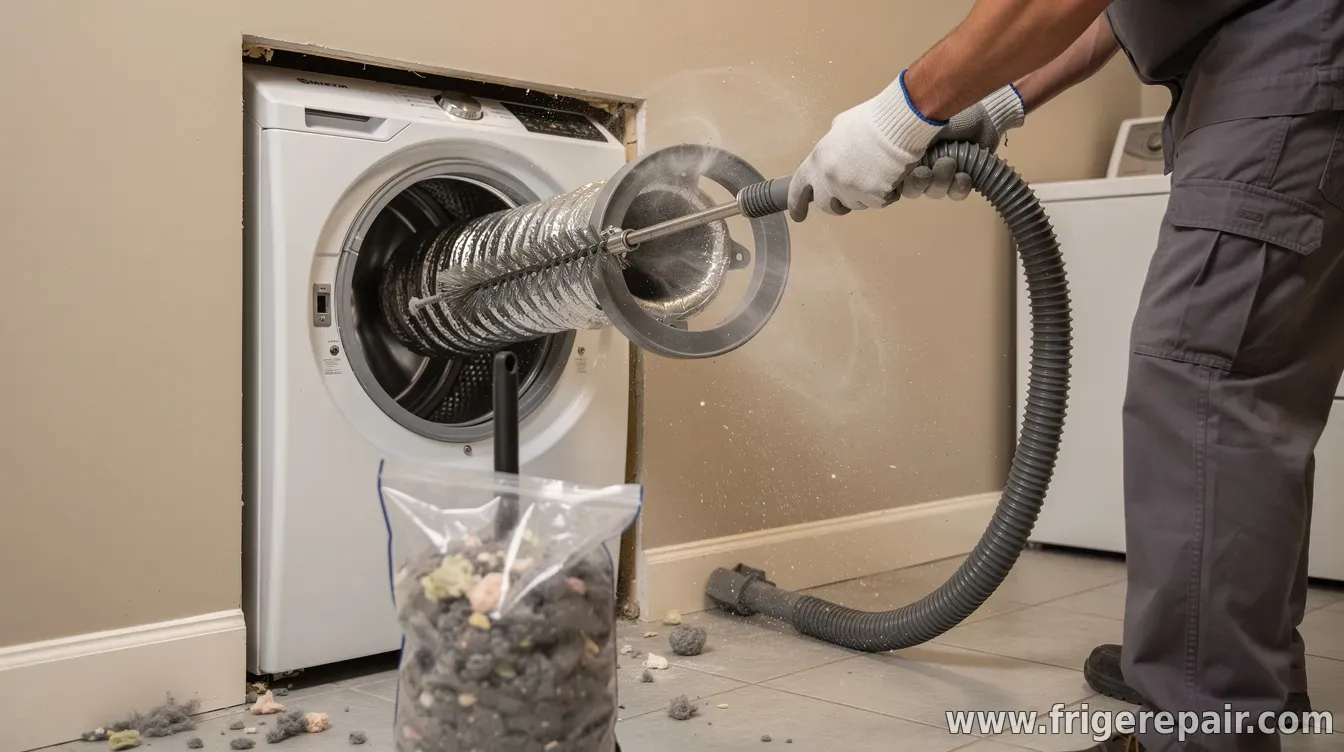
Blocked or clogged dryer vents are a common—and preventable—cause of residential dryer fires. When lint accumulates in the vent line, airflow drops, dryer temperatures rise, and heating elements and nearby materials can overheat. The good news: with the right tools and a careful routine, most homeowners can significantly reduce fire risk.
Start by understanding what you’re trying to fix: a dryer vent system is designed to move hot, moist air from the dryer to the outside. Lint is a byproduct of drying clothes, and over time it settles inside the vent, especially where the duct runs through walls, bends, or connects to the dryer and exhaust hood.
When to clean (and when to call a professional)
Consider cleaning your dryer vent at least once a year, and more often if you dry heavy fabrics (towels, jeans, blankets), use the dryer frequently, or notice performance changes. Strong warning signs include clothes taking longer than usual to dry, a
... Read more »
Appliances are built to handle daily wear and tear, but persistent problems often signal that something more serious is going on. While simple issues may be manageable at home, certain warning signs are strong indicators that it’s time to call a professional appliance repair technician.
For homeowners and renters, the goal isn’t just to get the appliance working again—it’s to prevent further damage, avoid safety risks, and reduce the likelihood of repeat failures.
1) The problem is getting worse or keeps coming back
If your refrigerator is warming intermittently and then starts doing it more frequently, or your washing machine stops mid-cycle and eventually fails completely, that pattern usually means the underlying component isn’t resolving. Repairs that only “partially work” after repeated attempts can also suggest multiple issues developing at once.
In these cases, a technician can diagnose root causes&md
... Read more »