6:26 AM Refrigerator Repair Warranty: What’s Covered |
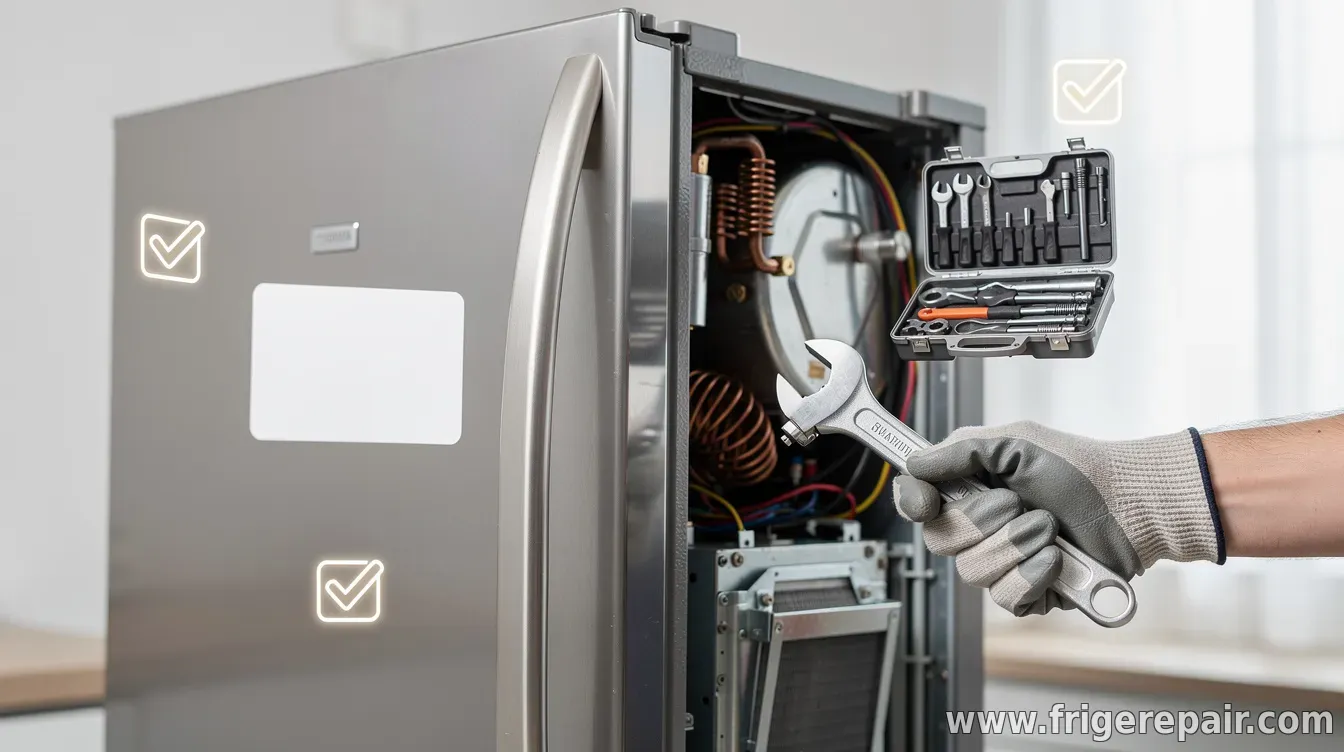 Refrigerator repair warranties can save money, but the value depends on what’s actually covered. Before you schedule service—or agree to pay out of pocket—review the warranty terms for your brand, model, and purchase date, since coverage varies by manufacturer and retailer. Most warranties fall into two buckets: coverage for parts only, or coverage for parts plus labor. Some plans also include certain “sealed system” components, which are often treated differently from standard wear items. What parts are commonly coveredMany manufacturer warranties cover repairs for defects in materials or workmanship. In practice, this often includes major functional components such as refrigeration system parts (depending on the warranty type), and may include electronics or cooling-related components. However, coverage typically does not extend indefinitely—term length matters. Commonly covered categories you may see include certain compressors, condenser/fan-related components, evaporator parts, temperature-control hardware, and some internal electrical components. Always confirm by reading the exact list in your warranty document or the service plan summary. Labor and service call fees: are they included?Even when parts are covered, labor may be limited or handled through specific service channels. Some warranties include labor for covered repairs only, while others require you to use an authorized service provider. Service call fees, diagnostic fees, or “trip charges” may be waived or charged depending on the plan. If your warranty says coverage is “parts and labor,” ask the technician what costs are included upfront and request a written estimate before work begins. This helps avoid surprises if the issue is later found to be excluded. Sealed system coverage (often the exception)“Sealed system” warranties are a common feature in refrigerator coverage. These warranties usually cover components required to keep the system sealed and cooling properly—such as the compressor and related sealed refrigeration parts—often for longer than the general warranty period. Even sealed system warranties can have conditions. For example, they may exclude damage caused by improper installation, unauthorized repairs, or failure to follow maintenance guidance. Common exclusions that can void coverageMany warranties exclude issues caused by normal wear, misuse, or external factors. Typical exclusions include damage from accidents, improper installation, power surges, unauthorized modifications, or using the refrigerator outside recommended conditions. Some plans also exclude cosmetic issues like scratches, dents, or discoloration unless they affect operation. Also watch for exclusions tied to “consumable” or maintenance items. Filters, light bulbs, water lines (in some cases), and other user-serviceable components are frequently handled outside standard warranty coverage. How to file a warranty repair claimWhen you need service, start by gathering your proof of purchase, model number, serial number, and the warranty document or plan confirmation. Contact the manufacturer or warranty provider using the number listed on the paperwork, and describe the symptoms clearly. Before the repair, confirm the technician is approved (if required), ask what will be covered, and ensure you understand what portion—if any—could be billed to you. If a technician finds the issue isn’t covered, ask for a written explanation referencing the warranty terms. Tips to protect your coverageTo reduce the risk of a denied claim, keep records of professional installation (if applicable), maintenance you performed, and any prior service visits. Avoid DIY repairs unless your warranty explicitly allows them, and follow the refrigerator’s installation and operating instructions. If your warranty is close to expiring, schedule service promptly. Many disputes come down to whether the issue existed before the coverage period ended or whether the repair request falls within the timeframe. Bottom line: refrigerator warranties often cover defects in parts and workmanship for a specified period, with sealed system coverage sometimes lasting longer. The most important step is verifying exactly which components, labor costs, and exclusions apply to your specific warranty. |
|
|
Next & Previous posts
Related articles: