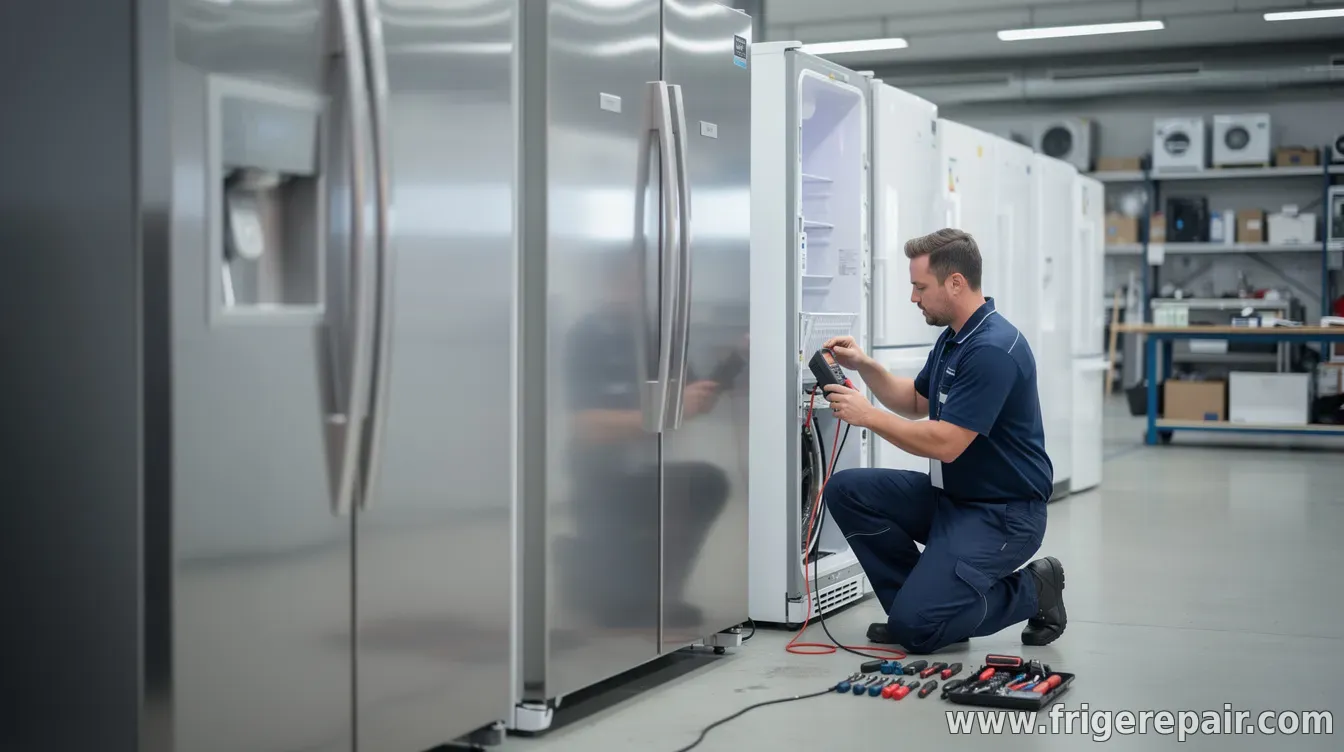
When people ask which refrigerator brands are “most reliable,” they usually mean one thing: fewer breakdowns that bring you back for repairs again and again. As a repair tech, I judge reliability less by marketing and more by patterns—how often the same model returns with the same issue, how quickly parts arrive, and whether the design makes failures harder (or easier) to fix.
What “reliability” looks like in the field
In my shop, reliability isn’t just “it never breaks.” It’s whether the refrigerator fails in ways that are uncommon, predictable, and fixable. Brands that score well tend to have simpler cooling cycles, fewer proprietary failure points, and component layouts that techs can access without removing half the unit.
They also tend to have better availability of replacement parts and more consistent quality across model years—so repairs don’t become a revolving door.
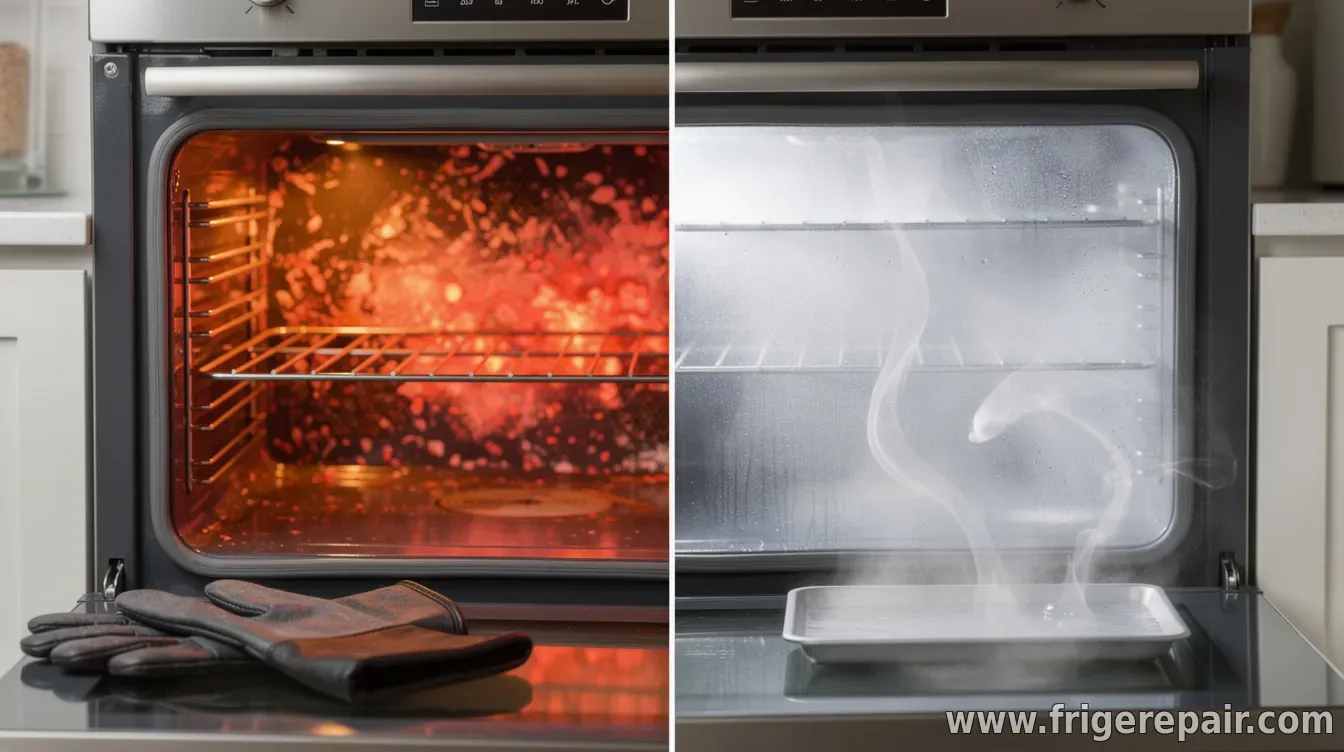
Oven “self-clean” and “steam clean” settings both promise easier cleanup, but they work in very different ways—and that difference matters for safety. The short answer: self-cleaning is typically safe when you follow the manufacturer’s instructions, while steam cleaning is often the more comfortable option for households sensitive to smoke, odors, or fumes.
This guide compares how each method works, what safety risks to watch for, and when steam cleaning may be the better choice.
How oven self-clean works
Self-cleaning cycles use intense heat—often around 800°F to 900°F —to break down food residue on the oven’s interior. Many ovens also lock the door during the cycle to prevent accidental exposure. Because the temperature is so high, self-cleaning can create smoke-like odors and airborne particulates, especially if there’s heavy grease buildup or spills.
Thanksgiving week can be hectic—especially when the refrigerator is already full. But with a few planning steps, you can make space for your turkey, thaw it safely, and keep leftovers in the “safe zone” for the days that follow.
Make room in the fridge before Turkey Day
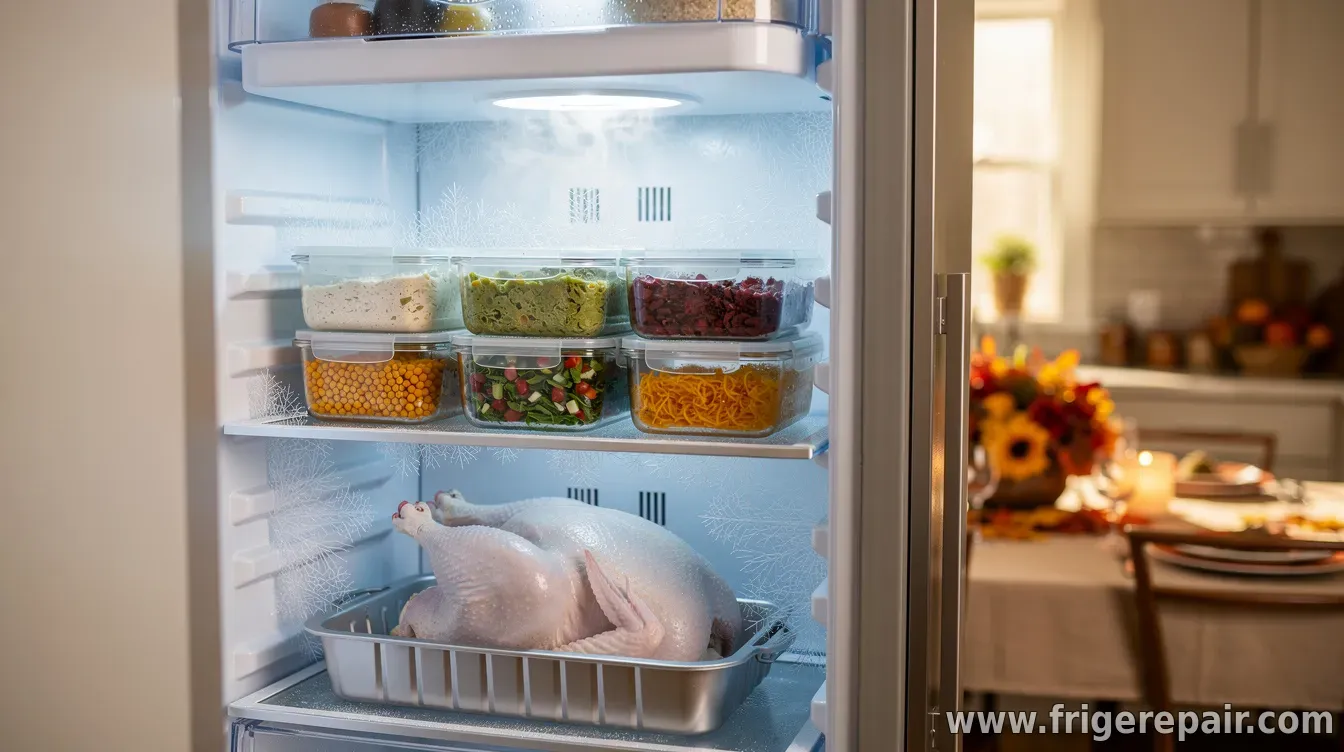
If your turkey needs to thaw in the refrigerator, start clearing shelf space early. Place the turkey on a tray or in a leak-proof pan so any juices don’t contaminate other foods. Keep other ready-to-eat items—like produce, desserts, and cooked leftovers—above or well away from the raw meat area.
It’s also helpful to adjust shelf organization: dedicate a single section (often a middle shelf) for thawing and storage, and avoid overcrowding. Air needs to circulate to maintain safe, consistent temperatures.
Thawing the turkey safely: the refrigerator method
The safest, most reliable option for most households is thawing in the refrigera
... Read more »
Moving day can be stressful for any home appliance, but refrigerators are especially sensitive to improper handling. The key is to reduce shocks, prevent spills, and allow the unit to settle before powering it back on—so the compressor can operate efficiently.
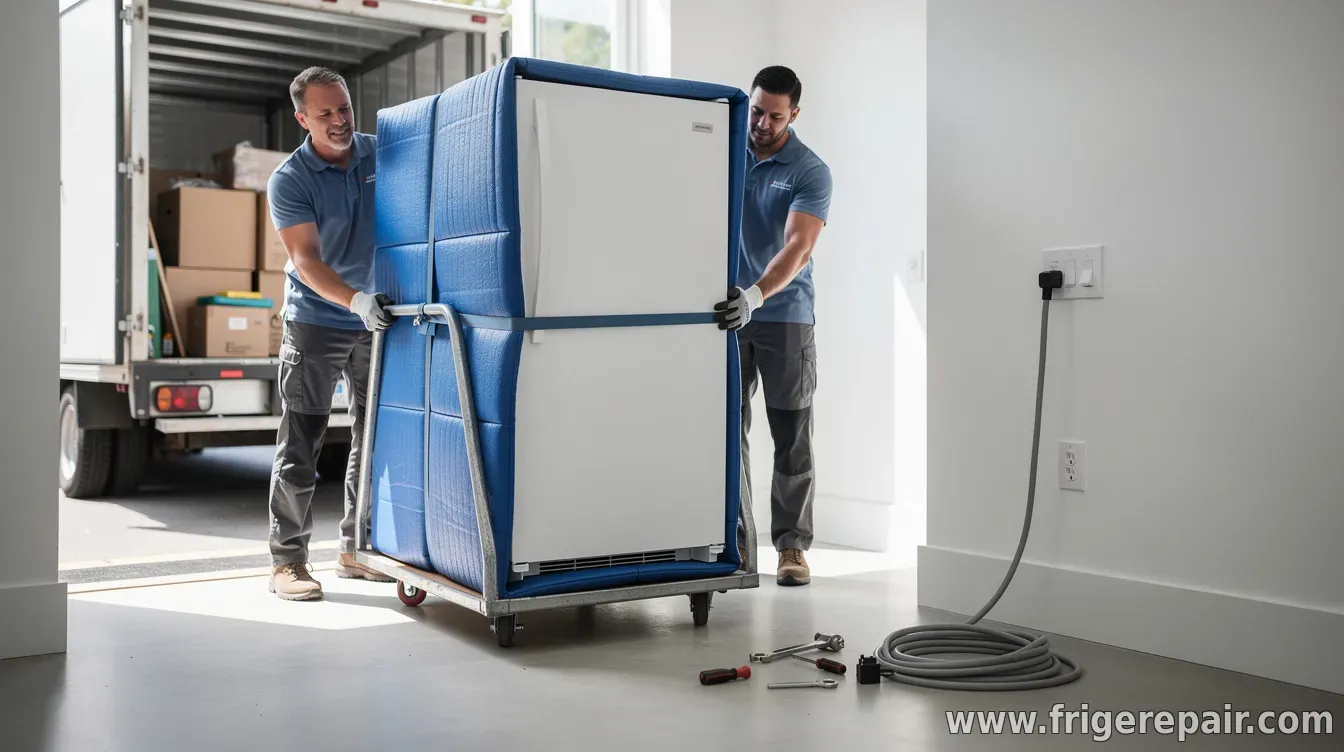
Before you move: Start by preparing the refrigerator at least 24 hours ahead. Clear the interior, remove shelves and drawers if they’re loose, and secure any components with tape or packing material. If your model has an ice maker, follow the manufacturer’s guidance for draining and securing it. Unplug the fridge and let it fully defrost if needed to avoid water leaks during transport.
Secure the refrigerator for travel. Lower the doors’ chance of swinging by taping them shut with moving tape or using straps designed for appliances. Protect the exterior with moving blankets and/or bubble wrap, especially around corners and the door handle. If you’r
... Read more »