6:35 AM Mini-Fridge and Bar Fridge Repair: Common Fixes | |
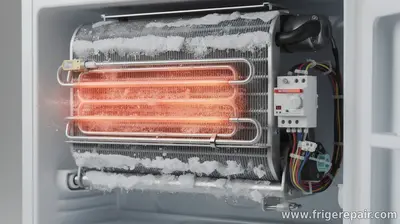
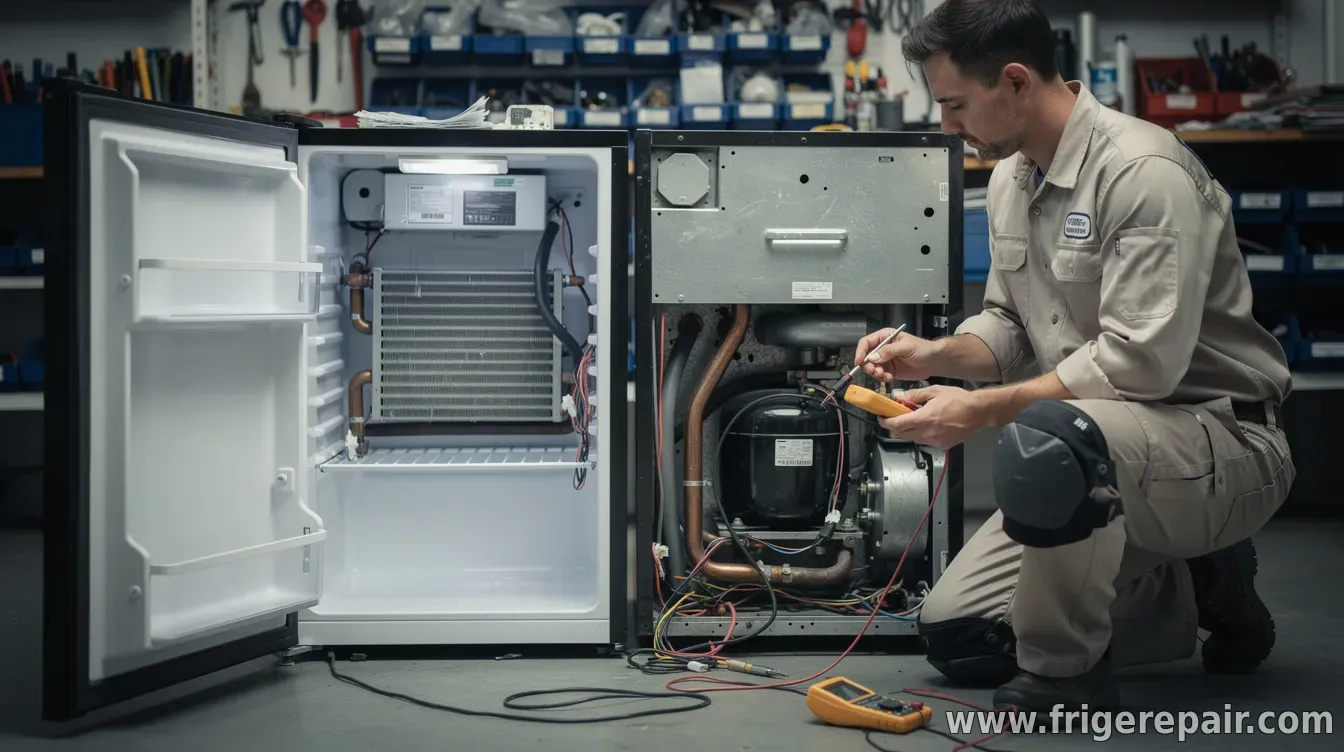 Mini-fridges and bar fridges are built for convenience, but when they stop cooling properly, the cause is usually specific—and often fixable. Before replacing the unit, run a quick set of checks that can narrow the problem to power, airflow, controls, or refrigeration components. In many cases, repair starts with the basics: confirming that the fridge is actually receiving stable power and that internal controls are set correctly. From there, look for symptoms like unusual noise, frost buildup, or warm spots to guide next steps. Start with power and temperature settingsIf the mini-fridge is completely warm or the compressor doesn’t seem to run, verify the outlet works using another device. Check the power cord for damage and ensure the plug is fully seated. Then confirm the temperature dial or digital settings are not turned to the warmest position and that any “eco” or “vacation” mode isn’t enabled. Check airflow and condenser performanceA common reason for weak cooling is restricted airflow—especially in compact units with limited ventilation. Make sure the back or sides of the fridge have clearance for air circulation, and clean dust from the condenser area and vents. If the unit has a fan, listen for fan operation when it’s plugged in; a stopped fan can cause the cooling system to underperform. Look for indicators like ice or frost forming where it shouldn’t, or food compartments warming unevenly. These signs can point to airflow problems, sensor issues, or defrost-related faults depending on the model. Interpret noises and freeze patternsSome sounds are normal, but persistent clicking, repeated starting attempts, or loud buzzing can suggest a failing start relay, compressor issue, or control board malfunction. If you notice heavy frost buildup on internal components, the unit may have a defrost heater or timer problem (if the model uses defrost cycles). For fridges that cool briefly and then stop, the issue may be tied to the thermostat, temperature sensor, or electrical components. These symptoms help technicians diagnose faster, so it’s worth noting what the unit does over a few hours. When DIY stops being safeWhile cleaning, checking settings, and verifying power are usually safe DIY tasks, refrigeration repairs can involve sealed-system components and high-voltage parts. Avoid opening the refrigerant system or attempting to recharge refrigerant. If the fridge has a deep cooling failure, repeated compressor problems, or damage to electrical components, professional service is the safer route. As a general rule, call a qualified appliance technician if the unit shows electrical burning smells, repeated compressor start failures, significant frost where it indicates a defrost/control fault, or cooling that never stabilizes after basic checks. Prevent repeat breakdownsRegular maintenance can extend the life of a mini-fridge. Keep vents unobstructed, clean condenser areas periodically, and avoid overpacking the unit so air can circulate. Also, let newly added hot items cool outside the fridge first to reduce strain on the cooling system. With the right diagnosis—starting from power and airflow—many mini-fridge and bar fridge problems can be resolved quickly. For anything involving sealed refrigeration parts or ongoing electrical symptoms, get professional help before the issue escalates. | |
|
| |
Next & Previous posts
Related articles: