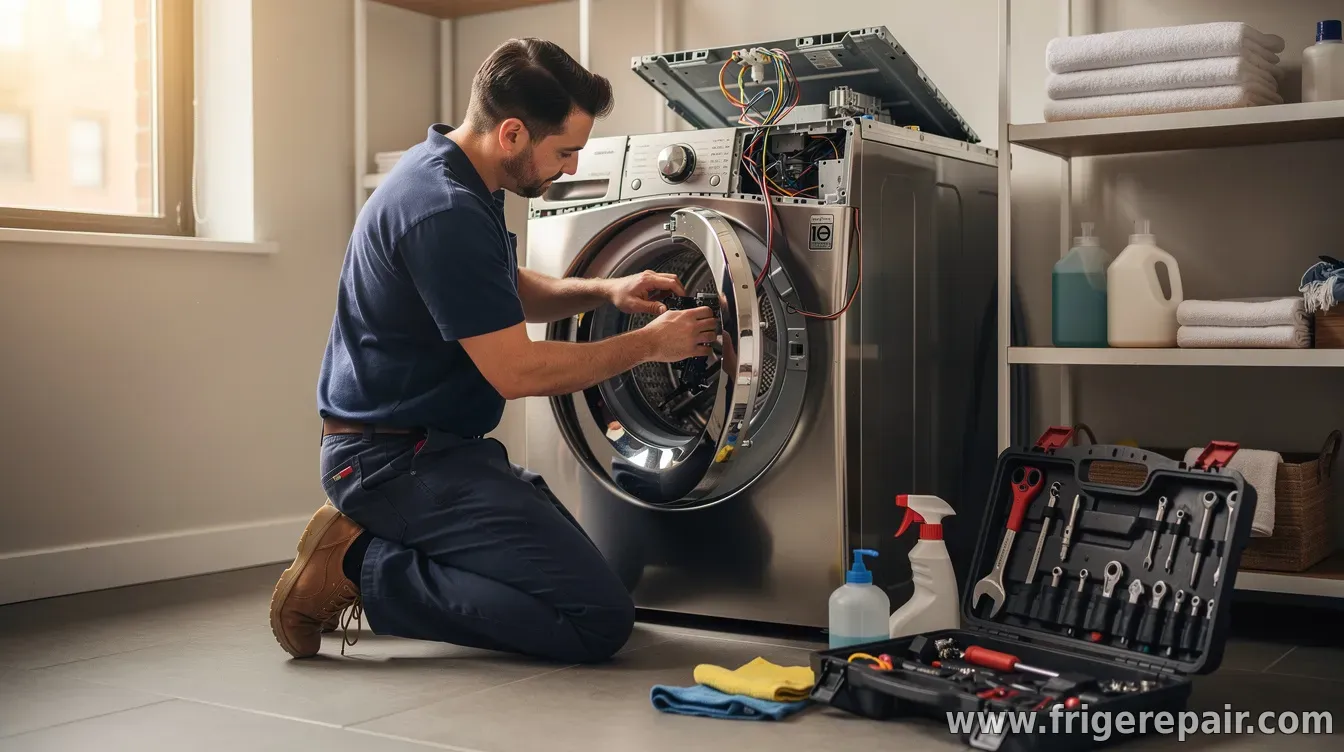
Residents across Brooklyn rely on their washers for everyday routines, and when a machine stops draining, spinning, or powering on, it can quickly disrupt the week. Our in-home washer repair service brings troubleshooting and repair directly to your address, so you don’t have to transport heavy equipment or wait for service windows that don’t fit your schedule.
Washer problems can be caused by a range of issues—worn components, faulty sensors, drainage failures, or electrical malfunctions. When technicians arrive, they assess the symptoms, diagnose the likely cause, and focus on restoring function safely and efficiently.
Common issues we repair in-home
Many service calls begin with performance changes that are easy to notice but difficult to fix without the right tools. Repair requests often include washers that won’t start, won’t drain properly, stop mid-cycle, make unusual noises, or fail to spin. After diagnosis, repairs may
... Read more »
When a refrigerator stops cooling or a washing machine won’t drain, the first question is usually simple: should you pay for repairs or buy new? The best choice depends less on guesswork and more on a few measurable factors—especially repair cost, appliance age, and overall reliability.
Below is a decision framework you can use before approving a service call, replacing the unit, or committing to a new model.
1) Compare the repair quote to replacement cost
A good rule of thumb: if the repair estimate is relatively close to the price of a comparable replacement (often around 50–60% of the new unit), replacement may be the better long-term value—especially if the appliance is already nearing the end of its typical lifespan. If the quote is much lower and the issue appears specific (for example, a failed thermostat, capacitor, or clogged drain line), repair can be the economical path.
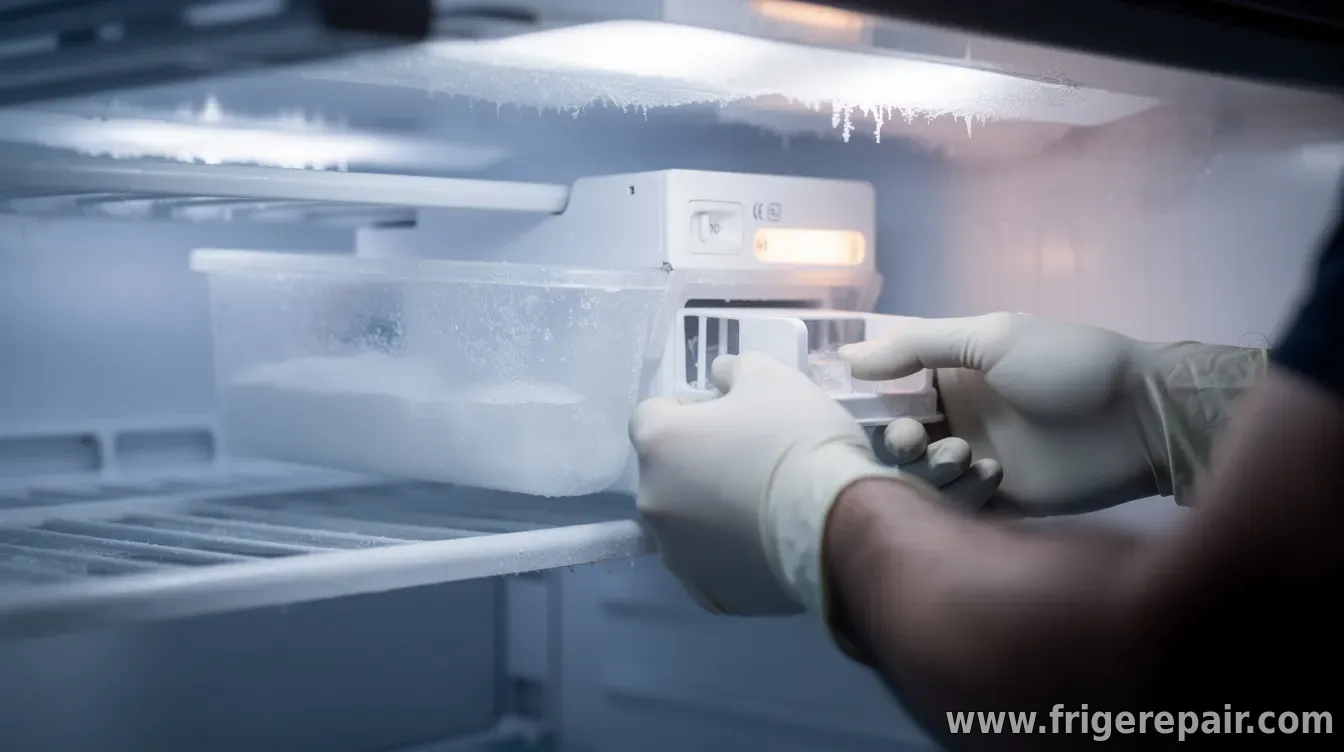
A fridge ice maker that stops mid-stream is a common (and usually solvable) problem. The fix depends on where the “break” happened in the ice-making cycle: water supply, water pathway, ice maker controls, or the ice maker itself.
1) Confirm the water supply is working
Most ice-making failures trace back to the incoming water line. Check whether the refrigerator’s shutoff valve (typically behind the fridge or in the basement/utility area) is fully open. If you recently had plumbing work done, the valve may have been bumped or turned off.
Next, verify that water is actually reaching the dispenser (if your fridge has one). If you have dispensing but it’s slow or sputtering, that points to low pressure, a kinked line, or a restricted filter. If the dispenser is also out, focus on the main supply or the refrigerator water line before moving further.
2) Check the water filter and flow
A clogged or overdue water filter can
... Read more »
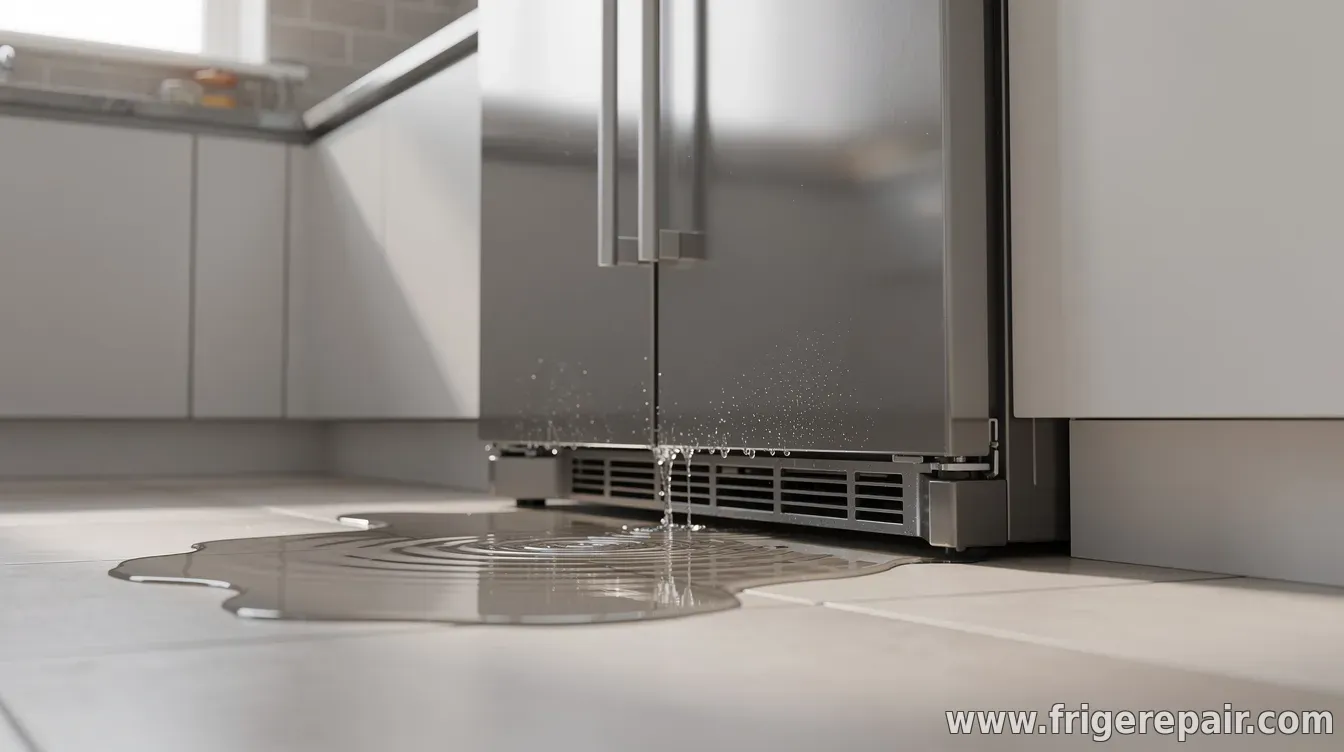
If you notice water pooling around (or inside) your refrigerator, it’s often due to a problem with the defrost system, the water drainage path, or—if you have an ice maker or water dispenser—the supply line. Pinpointing the location of the leak is the fastest way to narrow down the cause and decide whether it’s a simple DIY fix or something that needs a technician.
Check where the water is collecting. Water under the fridge often points to a drain or defrost issue, while water on the shelves or in the back wall area can indicate a clogged internal drain or an ice buildup that’s melting. If the leak is specifically near the ice maker or dispenser, the water line is a more likely suspect.
Common causes and what to do
1) Clogged or frozen defrost drain
Most refrigerators use a defrost cycle to melt frost off the evaporator coils. Meltwater flows into a drain line and then to an evaporator pa
... Read more »