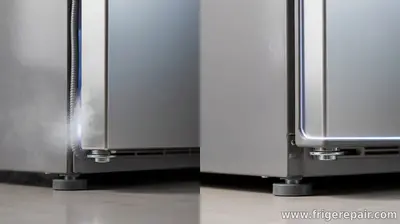
3:57 PM Common Causes of Refrigerator Breakdowns | |
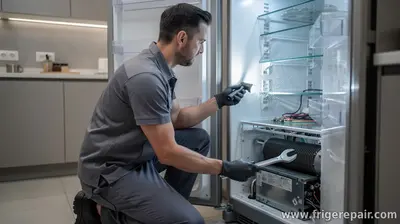
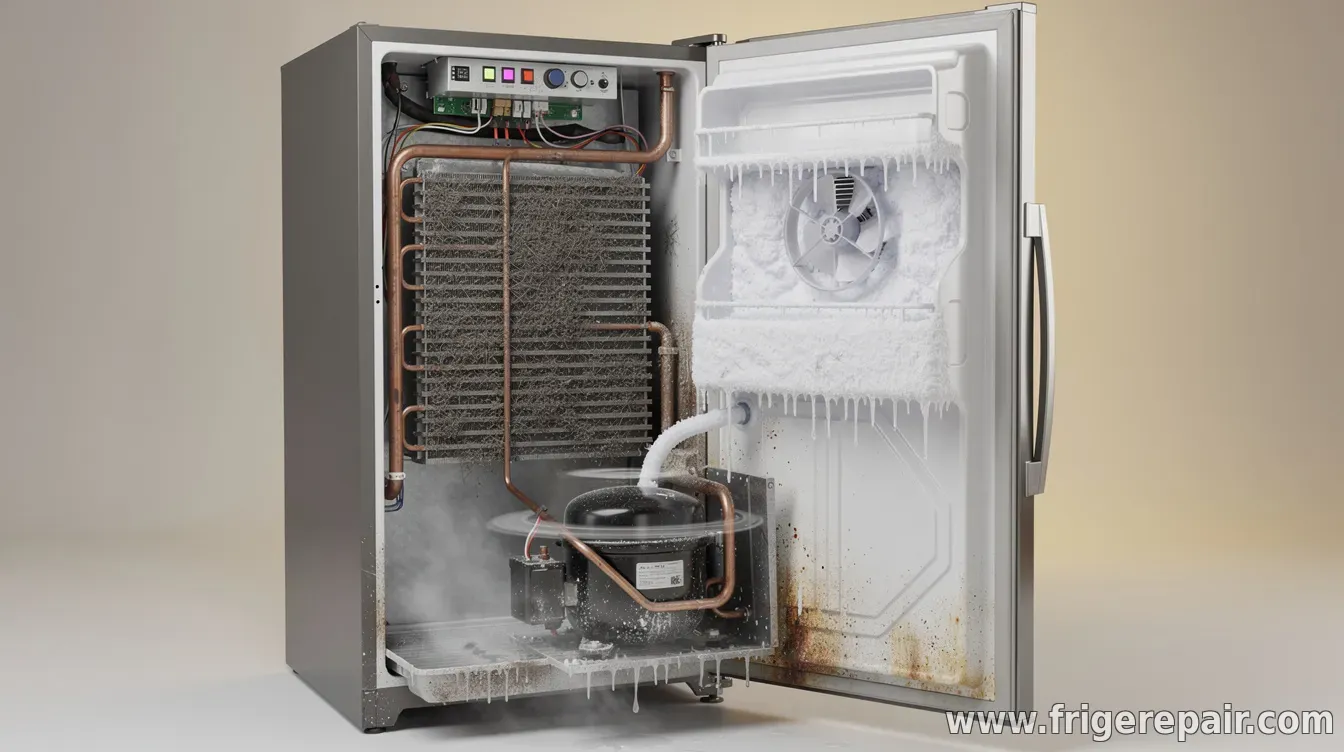 A refrigerator breakdown rarely happens “out of the blue.” Most problems trace back to components or maintenance issues that affect cooling efficiency, airflow, or drainage. While some repairs are simple to check, others require specialized tools and safety precautions. 1) Temperature control and sensor issuesWhen a fridge won’t cool properly—or chills too much—the thermostat, control board, or temperature sensor may be the culprit. Symptoms include inconsistent temperatures, the compressor cycling too often or not often enough, and ice buildup where it shouldn’t occur. In many cases, confirming the fridge’s setpoint and testing for error codes (if the model supports them) can narrow the cause. 2) Dirty condenser coilsCondenser coils release heat from inside the refrigerator to the surrounding air. If coils are covered in dust, pet hair, or debris, the unit has to work harder, which can lead to poor cooling or eventual component failure. A common sign is that the fridge runs continuously but still struggles to reach the desired temperature. Cleaning coils according to the manufacturer’s guidance can restore performance. However, if you notice burning odors, unusually loud operation, or repeated failures after cleaning, stop and consider professional diagnostics. 3) Airflow problems in the fridge or freezerMany refrigerator models rely on fans to move cold air. A malfunctioning evaporator fan or a blocked air vent can cause uneven cooling—cold in one area, warm in another. Another frequent contributor is frost buildup on the evaporator, which can limit airflow. Defrost system components—including the defrost heater, defrost thermostat, and defrost timer/control—can fail as well. Look for patterns such as ice accumulation and reduced airflow, especially in the freezer. 4) Clogged defrost drain and water leaks Refrigerators periodically melt frost during the defrost cycle. The resulting water should flow through a drain and into a pan for evaporation. If the drain clogs (often from food particles or ice), water can pool inside the fridge, create leaks, and contribute to unpleasant odors or corrosion. Simple preventive steps—like keeping the interior clean and avoiding blocking vents—can reduce the likelihood of drain clogs. 5) Compressor and cooling-system failuresIf the compressor won’t start or shuts off prematurely, the refrigerator may warm up quickly. Compressor problems can be caused by electrical faults (like a failing start relay/overload) or deeper issues in the sealed cooling system. A refrigerant leak is another possible cause, typically accompanied by long run times and progressively worsening cooling. Cooling-system repairs and refrigerant work are generally not DIY tasks, both for safety reasons and because proper diagnosis requires specialized equipment. When troubleshooting, pay attention to the pattern: Does the fridge run but not cool? Does it cycle on and off? Is there visible ice buildup? Are there leaks or unusual sounds? These clues help identify whether you’re dealing with a maintenance-related issue (like coils or a clogged drain) or a component failure (like fans, defrost parts, or the sealed system). | |
|
| |
Next & Previous posts
Related articles:
![]()