
6:23 AM How Long Should a Refrigerator Last? Expert Tips |
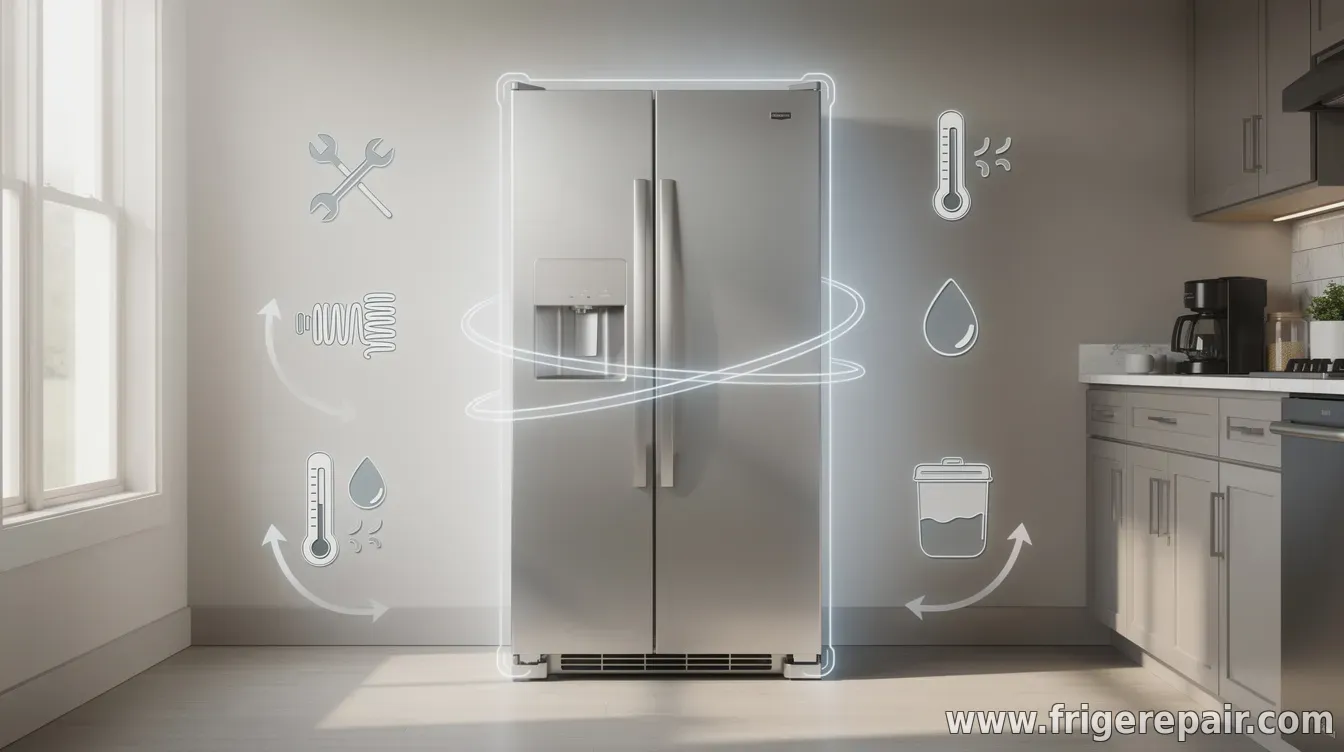 A refrigerator is one of the most important (and costly) appliances in a home, so it helps to know what “normal” looks like. While individual units vary, many manufacturers and appliance experts point to a typical lifespan of 10 to 15 years—with some models lasting longer when they’re properly maintained. That said, longevity isn’t only about age. Temperature stability, ventilation, and how often the door is opened can significantly influence wear on key components like the compressor and cooling system. Understanding the expected timeline makes it easier to plan repairs—or decide when replacement is the smarter option. Typical refrigerator lifespan: what to expectIn general, a refrigerator that reaches the 12–15 year range may be approaching the “wear-out” phase, especially if it has frequent service needs. Units closer to 10 years can still be fine, but problems that begin appearing around that time—unusual noise, persistent warm spots, or repeated cycling—often signal reduced efficiency or failing parts. Once a refrigerator starts missing its temperature targets, the impact goes beyond comfort. The unit may run longer to compensate, increasing energy costs and accelerating stress on the compressor and fan motors. How to tell when your refrigerator is nearing the endSeveral symptoms can indicate it’s time to investigate further. If your fridge is struggling to keep a consistent temperature, freezing over too frequently, or producing louder-than-usual sounds from the compressor or fans, it may be closer to failure than you think. Other red flags include water leaks, strong odors despite cleaning, and moisture buildup around doors or vents. If repairs become frequent—especially those related to the sealed system—it can be more cost-effective to budget for replacement. Tips to extend your refrigerator’s lifeGood maintenance reduces strain on the cooling system and helps the refrigerator operate efficiently. Start with the basics: keep the interior clean, avoid overfilling, and make sure items aren’t blocking vents. Overpacked shelves can interfere with airflow, causing uneven cooling and longer runtime.
It’s also worth paying attention to power and environmental factors. Extreme room temperatures, placement near heat sources, and unstable electricity can all affect how hard the refrigerator must work. If your home’s climate is unusually hot or humid, additional airflow and careful placement can help. When repairs make sense—and when they don’tMinor issues—like a faulty thermostat, a worn fan, or a door seal—are often repairable and may be worth addressing even in older units. However, if you’re repeatedly paying for breakdowns, or if the cost of repair approaches the price of a newer refrigerator, replacement may offer better long-term value through improved efficiency and reliability. As a practical rule, consider getting a diagnostic estimate from a qualified technician and comparing total repair costs against the expected remaining lifespan of the appliance. For many households, newer ENERGY STAR-rated models can also reduce energy use, helping offset replacement expenses. With typical lifespans of 10 to 15 years, most refrigerators have a long service window—especially when you keep vents clear, coils clean, door seals tight, and temperatures stable. If you’re noticing warning signs now, addressing them early can prevent small problems from becoming expensive failures. |
|
|
Next & Previous posts