6:21 AM Samsung Refrigerator Repair in Brooklyn: Error Codes | |
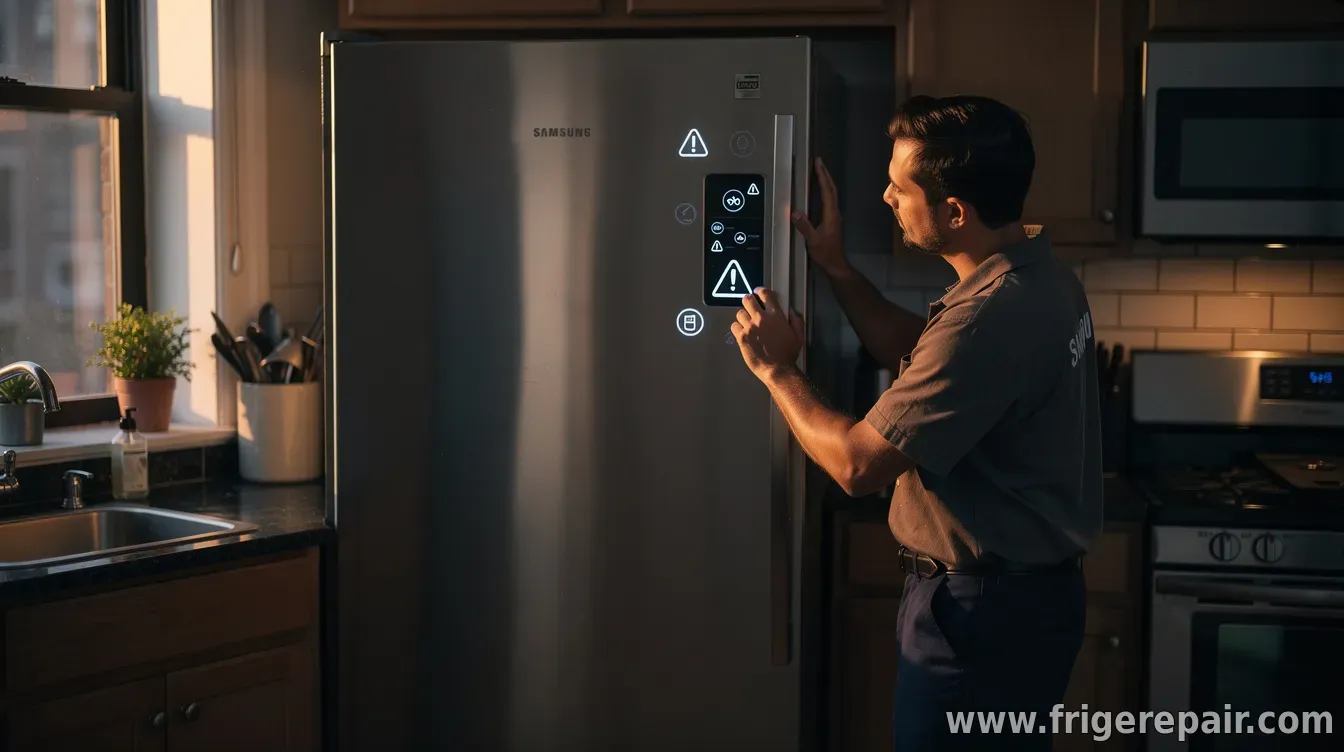 Samsung refrigerators rely on electronic sensors and control boards to monitor temperature, airflow, and the defrost cycle. When something goes out of range—or a sensor can’t read correctly—the unit may display an error code and switch to safety mode to protect food and prevent damage. For homeowners in Brooklyn dealing with a malfunctioning fridge, the first step is identifying the code you’re seeing. While some issues can be addressed by basic checks, many repairs require diagnostic testing of the relevant components. How to find and confirm the error codeStart by locating the display (often inside the refrigerator section or on the control panel). Note the exact code (including letters/numbers) and whether it appears continuously or alternates with other indicators. If the display clears after a power cycle, the code may be intermittent—still worth documenting for a service call. Before troubleshooting, make sure the fridge is leveled, the vents aren’t blocked, and the door seals close firmly. These factors can trigger temperature-related codes even when the main parts are intact. Common Samsung refrigerator error codes and what they mean1) 1E / 1C (Temperature or temperature-related error) 2) FF (Fan-related or airflow error) 3) CO / CF (Communication or control-related error) 4) 5E / SE (Defrost or sensor-related error) 5) DH / dH (Defrost system error) What to do next (and when to call)For safety and accuracy, avoid guessing parts. If you can do a quick check, focus on what doesn’t involve removing components: verify airflow vents are unobstructed, confirm the door seals aren’t damaged, and listen for normal fan operation during the cycle. Call for Samsung refrigerator repair in Brooklyn if the code returns quickly, the fridge can’t reach safe temperatures, you notice heavy ice buildup, or multiple systems appear affected (e.g., freezer not cooling while the fridge is cold—or vice versa). A technician can test sensors, fans, heaters, wiring, and the control board to pinpoint the fault instead of replacing parts blindly. Tip: When you contact a repair provider, share the exact error code, the model number, how long the issue has been happening, and any changes you noticed (unusual noises, frost patterns, temperature swings). This helps speed up diagnosis and reduces repeat visits. In many cases, error codes are the refrigerator’s way of narrowing the problem. With the right identification and testing, most code-based faults can be traced to a specific component—bringing your Samsung back to stable cooling. | |
|
| |
Next & Previous posts
Related articles: