6:18 AM Refrigerator Won’t Shut Off: Compressor & Thermostat Checks | |
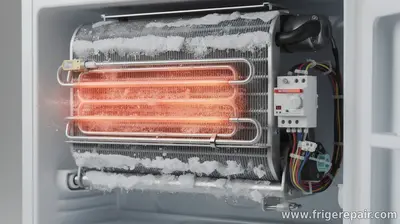
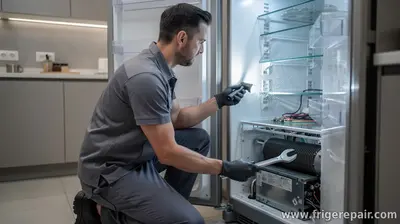
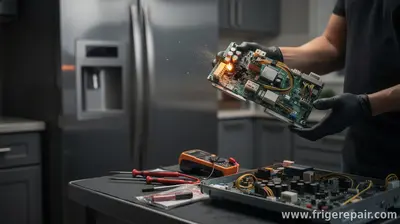
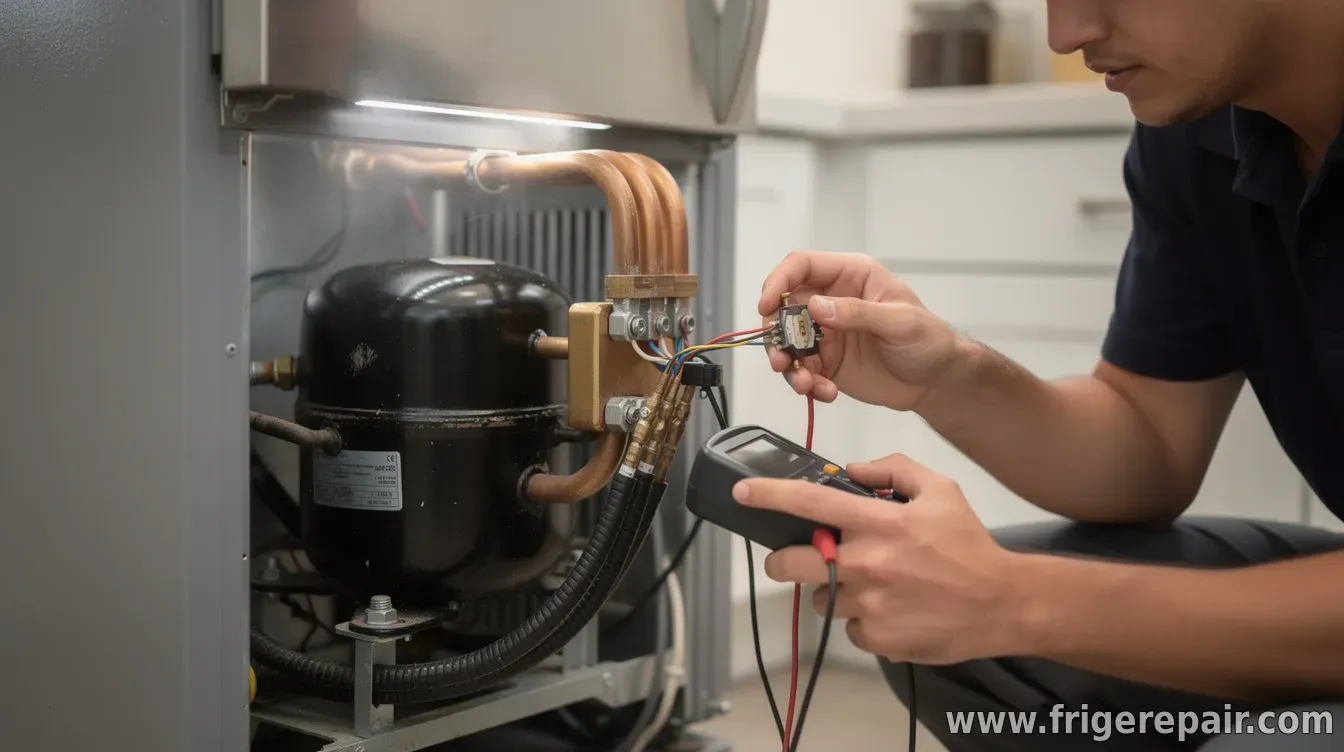 A refrigerator that runs constantly but never shuts off usually indicates the cooling system can’t reach (or can’t sense) the target temperature—or that a control component is stuck. While some causes are simple (settings or blocked airflow), others point to the compressor, thermostat, or related sensors that regulate the cooling cycle. Before troubleshooting, confirm basics: the unit is set to an appropriate temperature (commonly 37–40°F for the fresh-food compartment), the doors seal properly, and the refrigerator isn’t overloaded. If you just installed the fridge or changed settings, it may run longer during initial pull-down, but it should stabilize after several hours to a day depending on conditions. Check airflow and airflow sensors firstConstant running can be triggered when warm air can’t be removed efficiently. Inspect vents inside the fridge and freezer for blockage by food packages, and ensure nothing is preventing the damper from opening/closing (on models with separate air paths). If the freezer has a heavy frost buildup (common in defrost-related failures), cooling can become inefficient and force continuous compressor operation. Next, verify that the fan(s) in the freezer or compartment are operating as expected. If a fan is not running, the thermostat/sensors may “think” the temperature is still too high, keeping the compressor engaged. Thermostat and temperature-sensing checksThe most common control-side causes are incorrect temperature sensing or a stuck thermostat/control component. Start by testing whether the refrigerator is actually cold enough. Use a separate refrigerator/freezer thermometer for accuracy and place it away from direct airflow. If the measured temperature remains high while the unit runs continuously, the thermostat or temperature sensor circuit may be misreading. Many modern refrigerators use electronic control boards and thermistors instead of a simple mechanical thermostat. In either case, a failed sensor can keep the compressor from cycling off. For thermostat-related troubleshooting: if your model has a mechanical thermostat dial, turn it slightly and watch whether the compressor behavior changes. If the compressor never shuts off regardless of setting changes, the thermostat (or the electronic control that interprets it) is a likely suspect. For electronic models, look for signs of a bad sensor reading—some units show error codes, blink patterns, or diagnostic modes. Consult your manufacturer’s service guide for model-specific steps. Assess compressor behavior and start/run conditionsWhen the control system calls for cooling, the compressor should typically cycle based on temperature achieved. If the compressor runs nonstop, it’s often because the control system believes it still needs cooling, or because the compressor-related controls are failing to open the circuit. Listen for compressor activity and watch for signs such as excessive heat near the compressor compartment, unusual buzzing, or repeated short-cycling followed by longer runs. While a detailed diagnosis of compressor electricals requires appropriate tools and safety precautions, you can narrow down the category by observing whether the compressor truly runs continuously and whether the interior temperatures ever reach the setpoint. If the compressor is running but the unit does not cool, the problem may be insulation/airflow issues, refrigerant leaks (less “fixable” by home checks), or other system failures. If the unit does cool effectively yet still never shuts off, the temperature-sensing or control logic is more likely than the compressor itself. Quick triage: ruling out common “control” triggersSeveral practical items frequently cause constant operation and are easy to verify:
If these are all normal and the refrigerator temperatures still don’t stabilize, proceed with thermostat/sensor and control diagnostics. What to do next (and when to call for service)For most households, the safest next steps are accurate temperature measurement, inspection of vents/fans/defrost performance, and verifying thermostat/control settings. If you confirm the fridge is cold enough but the compressor continues running, thermostat or sensor/control-board failure is likely—and the component replacement should follow the manufacturer’s service procedure. If the compressor runs continuously while temperatures fail to drop, or if you notice abnormal compressor sounds, burning smells, or persistent electrical tripping, it’s a good point to stop DIY troubleshooting and contact a qualified appliance technician. Refrigeration system faults (including refrigerant-related issues) require specialized equipment. In short: determine whether the fridge is actually reaching temperature. If it is, focus on thermostat/sensor/control logic. If it isn’t, broaden checks to airflow, defrost, and condenser performance—then escalate to professional diagnosis for compressor or sealed-system problems. | |
|
| |
Next & Previous posts
Related articles: