6:28 AM Refrigerator Not Cooling But Freezer Works Fine | |
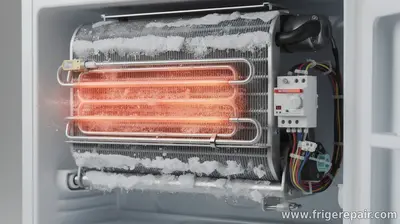
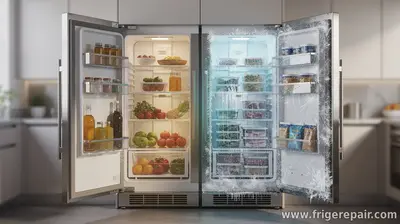
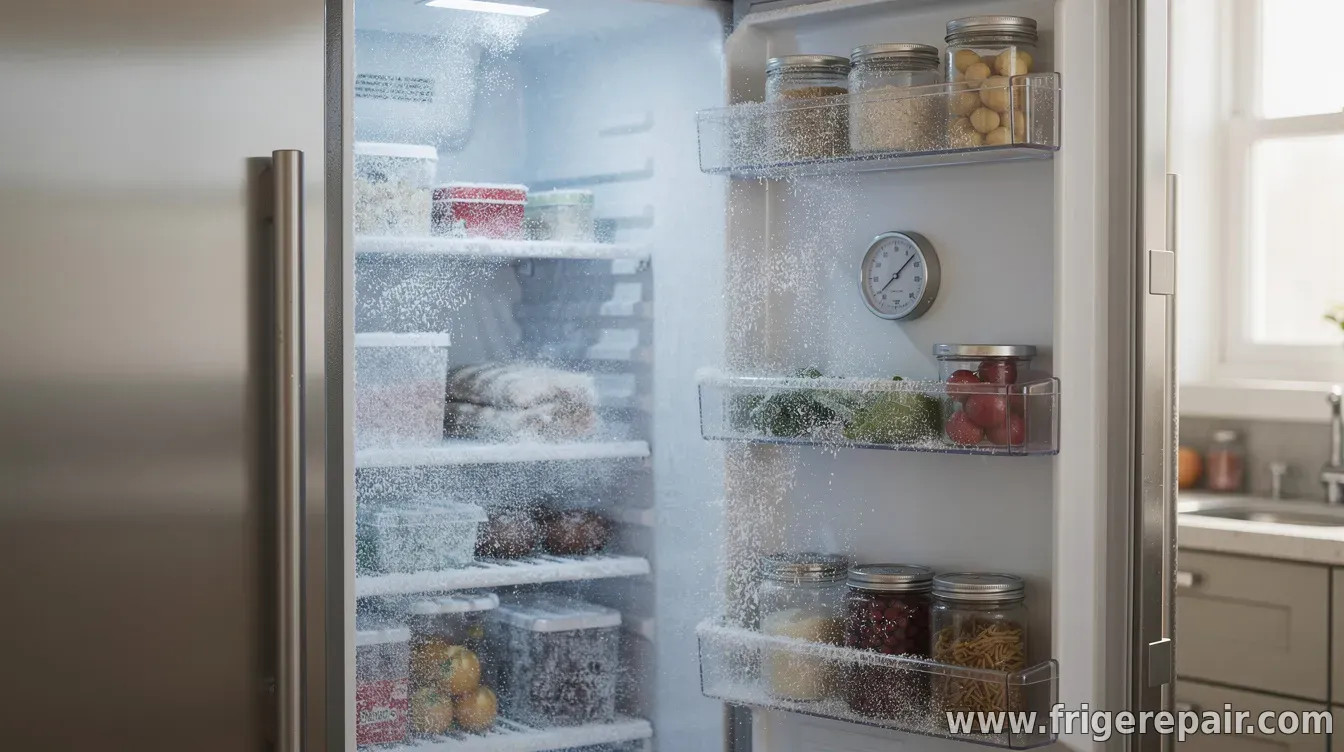 When the freezer works but the refrigerator doesn’t, the symptoms usually point to a temperature-mismatch caused by poor airflow. In most side-by-side and top-freezer refrigerators, the freezer is where cooling happens; cold air is then routed into the refrigerator compartment through ducts and a damper. If that path is blocked or the control that regulates it fails, the freezer can remain cold while the fridge warms up. 1) A blocked or iced-over air ventLook for an obstruction between the freezer and the refrigerator—often the most common cause. If the air return or the refrigerator air vent in the freezer is blocked by food, plastic packaging, or ice buildup, cold air can’t circulate properly. What to check: Remove items that may be blocking the vent and inspect for visible frost or heavy ice around the air channel. If you find significant ice, it may be related to a defrost problem (see below). 2) Damper or air-flow control stuckMany models use a damper (controlled by a thermostat or a small motor) to regulate how much air flows from the freezer to the refrigerator. If the damper is stuck closed—or not opening long enough—the freezer stays cold but the fridge doesn’t get enough cool air. Signs this is likely: You may notice cold air seems limited to the freezer compartment, while the fridge temperature slowly rises. What to try: During normal operation, the airflow path should move air toward the refrigerator. If the damper can be inspected (without forcing parts), check for mechanical blockage or failure. 3) Defrost system issues (ice blocks airflow)A malfunctioning defrost heater, defrost thermostat, or defrost control can cause evaporator coils to freeze over. When the coils are covered in ice, airflow is restricted and the refrigerator section may not cool properly, even though the freezer appears to work. What to look for: Frost buildup on/around the back panel inside the freezer, or unusually thick ice near air ducts/vents. In some cases, the refrigerator works intermittently until the ice effectively “chokes” airflow again. 4) Temperature control or sensor problemsLess commonly, the refrigerator portion won’t cool because the system can’t properly sense or regulate temperature. A failing refrigerator thermostat, thermistor, or control board can lead to inadequate cooling requests or incorrect damper behavior. Tip: If freezer temperatures are stable and airflow-related parts look okay, sensor/control issues become more likely—at that point, diagnosis may require model-specific testing. Quick troubleshooting steps you can do safely
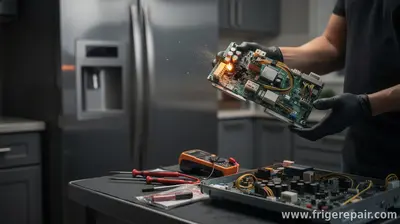
When to call a technician If you see persistent ice buildup, damaged wiring, or repeated cooling failures after basic checks, professional service is recommended—especially for defrost-component testing and control-board diagnostics. These repairs can be model-specific and may require safe testing procedures. Overall, the pattern “freezer cold, refrigerator warm” strongly suggests a blocked airflow path, stuck damper, or defrost-related ice. Start by checking the vents and frost, then move to the airflow control and defrost system if the issue persists. | |
|
| |
Next & Previous posts
Related articles: