5:31 AM Why Your Fridge Is Making Strange Noises: A Guide | |
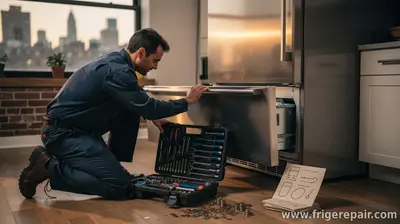
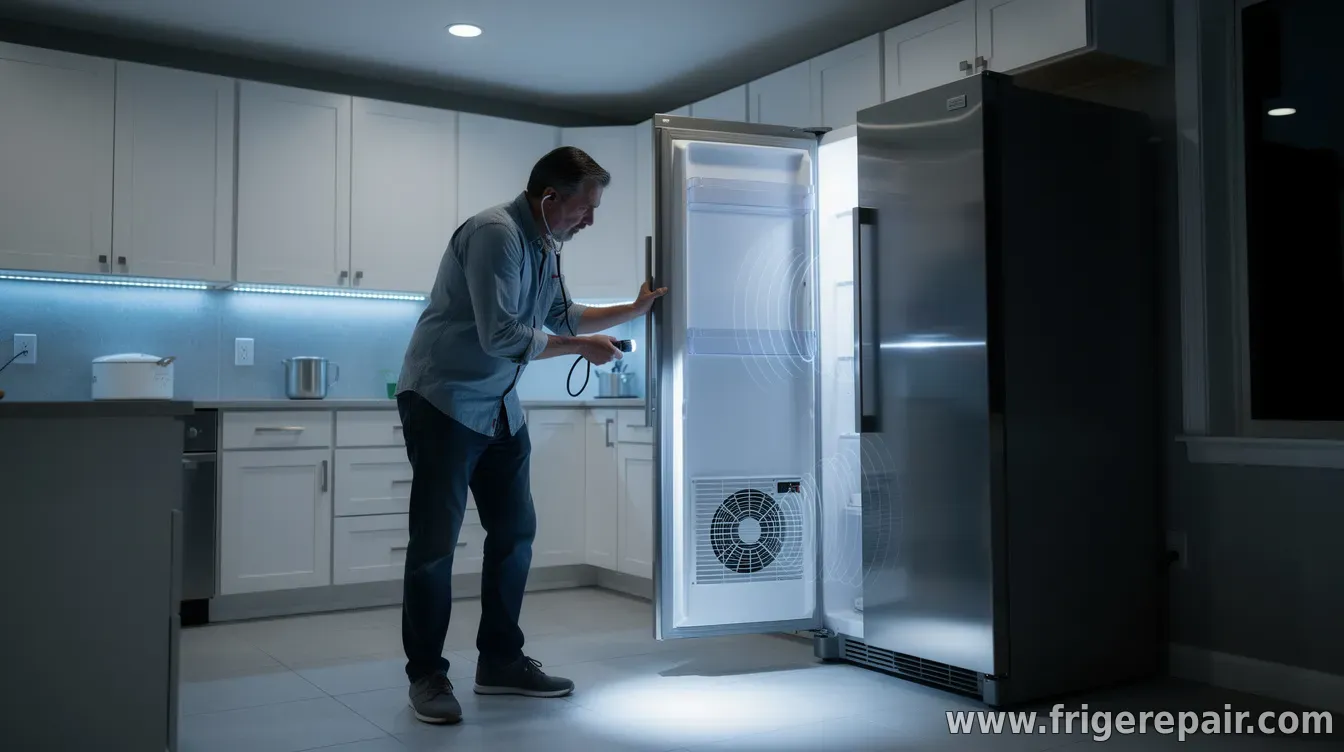 A fridge making strange noises is usually either (1) normal operation or (2) a mechanical issue that’s starting to develop. Modern refrigerators run multiple systems—compressor cooling, condenser fans, evaporator fans, and automatic defrost—so some sounds are expected, especially after the door has been open or the thermostat has called for cooling. Before troubleshooting, consider timing: when does the noise happen (immediately after closing the door, continuously, only at night, or only during cycling)? Noting the pattern is one of the fastest ways to narrow down the cause. Common “normal” sounds and when they happenSoft humming or steady vibration: Often the compressor running or a fan moving air through the system. Clicking or ticking: Can be the thermostat or relay switching on/off, or the defrost system starting and stopping. Gurgling, bubbling, or whooshing: Refrigerant flowing through the lines, especially after the cooling cycle begins or ends. Occasional crackling: Sometimes expansion/contraction of materials or the sound of frost melting during defrost. When the noise suggests a problemBanging, thumping, or loud knocking: Check for ice buildup, a loose fan blade, or items touching inside the refrigerator. If the noise increases with time, a mounting bracket or fan could be failing. Rapid clicking or persistent buzzing: A relay/overload component may be worn, the compressor may be struggling to start, or the unit may not be getting enough power. If clicking continues for long periods without normal cooling, it’s a stronger sign of trouble. High-pitched whirring or grinding: Often indicates a failing evaporator fan or condenser fan motor. Grinding is particularly concerning and usually means parts are wearing out. Continuous loud hum that doesn’t cycle off: Could indicate a compressor running longer than expected due to a blocked airflow path, faulty temperature control, or an issue with the condenser coils. Quick checks you can do safely
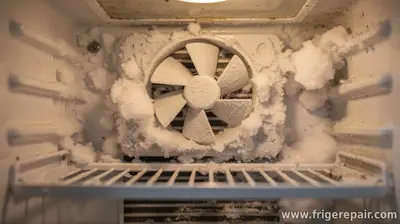
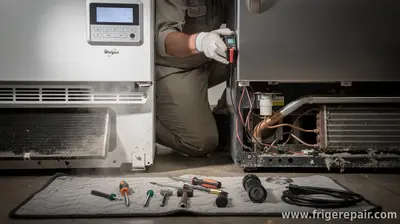
If you’re comfortable cleaning, wiping the exterior and dusting accessible areas (and, if safe for your model, cleaning the condenser coils) can reduce strain on the system. Avoid removing panels unless you’re sure of the procedure—improper reassembly can cause leaks or new problems. Defrost-related cluesIf the noise mainly occurs during periodic cycles—often after a period of warmer temperatures, heavy use, or frequent door openings—it may be tied to defrost. A failing defrost heater, thermostat, or drain can lead to ice accumulation, which then causes fan noise, banging, or rattling as components struggle against frost. When to stop troubleshooting and call for serviceConsider professional help if the noise is accompanied by symptoms like warming food, excessive ice buildup, repeated cycling, visible oil residue near connections (a potential leak indicator), or if the sound suggests a failing fan or compressor starting problem. Those issues can be difficult to diagnose without model-specific tests and, in some cases, specialized tools. In the meantime, don’t ignore patterns. Note the exact sound type, how often it occurs, and whether it coincides with door openings or temperature changes. With that information, technicians can narrow down the likely component faster—and you can decide whether a quick adjustment or a service visit is the best next step. | |
|
| |
Next & Previous posts
Related articles: