6:31 AM Whirlpool & GE Refrigerator Repair: What to Watch For | |
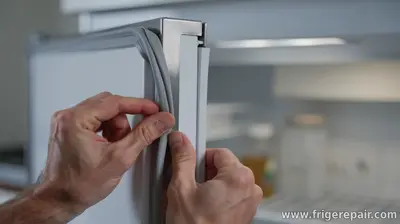
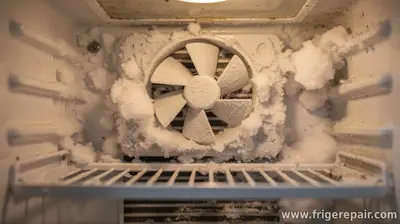
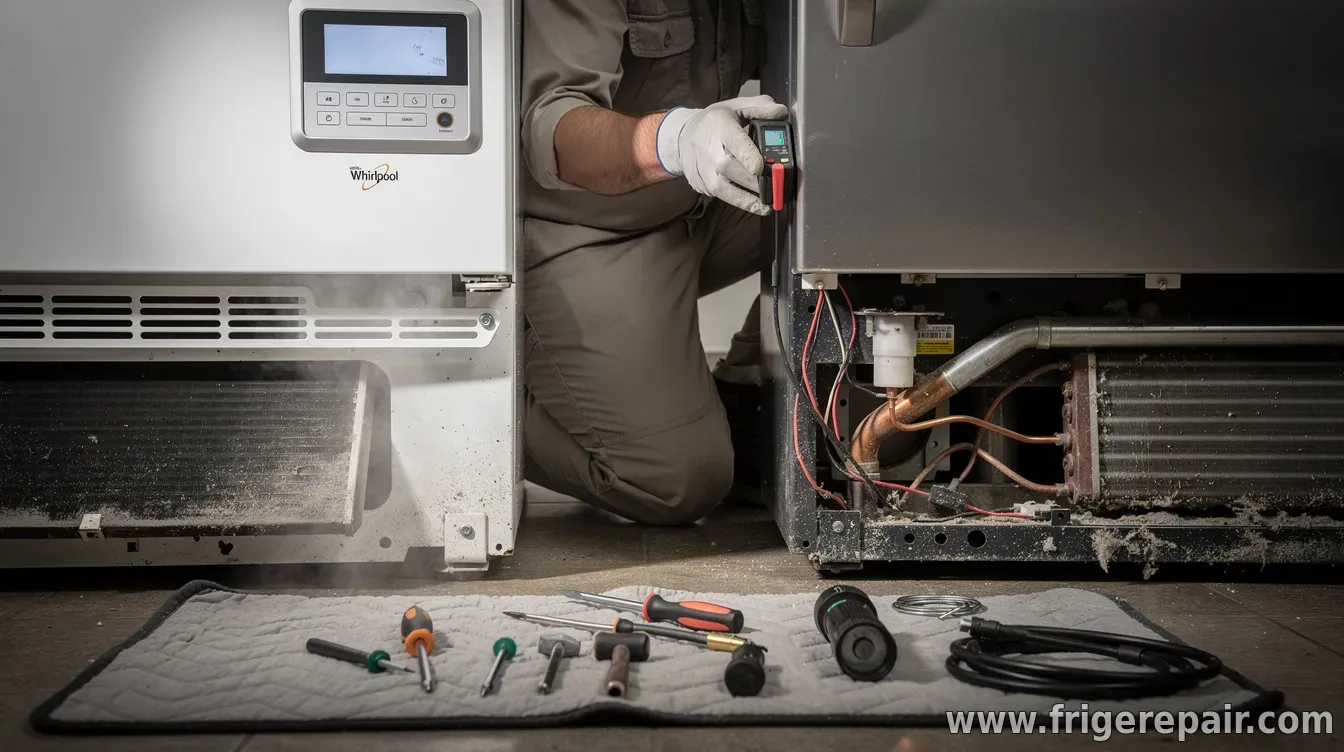 When a Whirlpool or GE refrigerator starts acting up, the first job is identifying the pattern of the problem. Temperature problems that come and go, unusual sounds, water leaks, or indicator lights can point to very different causes—compressor-related issues, sensor faults, defrost failures, or water-line problems. Because modern refrigerators rely on multiple sensors and control boards, small details matter. Checking a few things early can improve troubleshooting accuracy and reduce the time (and cost) spent on diagnosis. 1) Watch for temperature swings and “warm spots”If the fridge section warms up, the freezer defrosts too quickly, or you notice inconsistent cooling, start by noting when it happens and whether it affects both compartments or just one. Sudden changes may be linked to the thermostat/temperature sensor, the control board, or airflow issues caused by ice buildup. For many models, a clogged air path can mimic electrical problems. Make sure vents inside the unit aren’t blocked by food placement, and confirm the door seals properly by checking for visible gaps or uneven closing. 2) Listen for recurring noises (and when they stop)Normal operation includes fan circulation and compressor cycling. But repeated buzzing, clicking, or grinding—especially accompanied by poor cooling—can signal a failing start device, compressor issue, or a motor/fan problem. Track whether noises occur on a schedule (for example, every few minutes) or continuously. If the unit sounds like it’s running but temperatures don’t drop, that’s a key clue. It may indicate airflow obstruction, an evaporator fan issue, or a component that’s failing under load. 3) Look for defrost-related signs in the freezerMany cooling complaints begin as defrost problems. Watch for excessive frost on vents, ice on the back panel, or water pooling where it shouldn’t. A defrost heater, defrost thermostat, or defrost control can fail over time, leading to reduced airflow and eventual temperature instability. On some refrigerators, you may also see irregular ice formation in the ice maker or dispenser area—another hint that the defrost cycle isn’t running as intended. 4) If there’s water, check the source before “fixing” the symptomWater leaks can come from the door/ice dispenser, the drain system, or the supply line. If you see water in the refrigerator compartment, check whether it’s near the back and whether you also notice frost buildup. If the floor or lower area is wet, inspect the connection to the water line and look for signs of pooling. Important: shut off the water supply if you suspect a line leak. Don’t keep running the unit if water is actively escaping, because moisture can damage electrical components and insulation. 5) Pay attention to error codes and indicator lightsWhirlpool and GE refrigerators may display error codes or flashing lights when specific sensors or subsystems detect a fault. Write down the exact code (or a clear description of the light pattern) before resetting anything. The technician you call can use that detail to narrow the diagnosis. Also consider whether the problem started after a power interruption or a routine change (like cleaning the back coils or moving the unit). Power events can trigger faults in some control systems that may clear after a proper reset, depending on the model. What you can do safely before a service call
Even simple steps can help, but refrigeration systems include electrical components and pressure-sensitive parts. If you smell burning, see sparking, or repeatedly trip breakers, stop troubleshooting and contact a professional immediately. Choosing a repair approach for Whirlpool vs. GEWhile both brands share common failure modes—defrost components, fans, sensors, and control logic—model-specific design differences can affect where symptoms show up. For example, one model may vent ice buildup toward certain areas, while another may have a different ice maker layout or drain path. If you’re seeking repair, having your model and serial number ready (often on the inside wall or behind the crisper) can speed up part identification and ensure the service is aligned with your specific refrigerator configuration. Next steps: when to call and what to askIf temperatures won’t stabilize, the freezer is frosting abnormally, you have active leaks, or the unit displays persistent error codes, it’s usually time to call. Ask the technician to explain the most likely cause based on your observations and whether additional components—such as related sensors or fans—should be inspected together. By watching for the patterns above and recording what you see, you’ll be in a stronger position to get accurate diagnosis and faster repair for Whirlpool and GE refrigerators. | |
|
| |
Next & Previous posts
Related articles: