
9:55 AM Washing Machine Leaking Water: Common Causes and Fixes | |
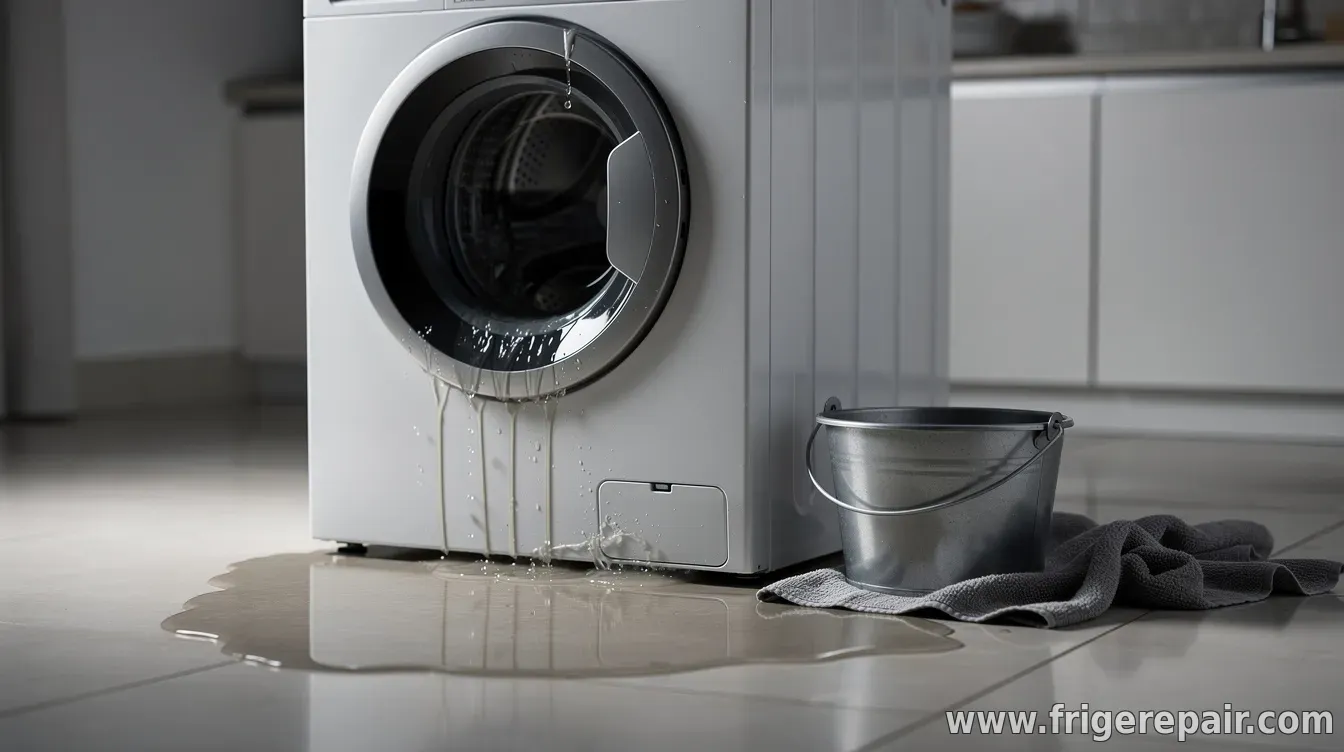 A washing machine leaking water can be more than a nuisance—if left unchecked, it can damage floors, cabinets, and nearby electrical components. The fastest way to stop the leak is to first determine where the water is coming from: the supply hoses, the drain area, the drum/door seal, or underneath the unit. Below are the most common causes and practical solutions. If you’re unsure or the leak appears electrical or structural, consider contacting a qualified technician. 1) Check the basics: overloading, imbalance, and detergentMany leaks start with conditions inside the washer. Overloading the drum can push water toward the door seal or overflow channels. An imbalanced load can also cause the machine to “walk,” stressing hoses and connections. Using too much detergent—or the wrong type—can create excessive suds that escape through openings not normally reached by water. What to do: run a quick test cycle with a smaller, evenly distributed load; use the detergent amount recommended on the packaging; and make sure the washer is level on its feet. 2) Inspect inlet hoses and water connectionsLeaking at the back of the machine is commonly linked to inlet hoses or loose connections. Hoses can wear out, crack, or become loose from vibrations over time. A damaged hose can spray water intermittently, especially during fill and agitation. What to do: turn off the water supply, dry the area, and carefully inspect hose ends and the connection points for moisture. If a hose is cracked or repeatedly wet, replace it rather than attempting makeshift repairs. 3) Look for drain problems and clogged hosesWater escaping near the bottom or around the drain area may point to a clogged or improperly positioned drain hose. If the drain hose is kinked, pushed too far into the standpipe, or blocked by debris, water can back up and spill. What to do: ensure the drain hose isn’t kinked and is positioned according to your model’s instructions. If you suspect a blockage, clean the drain hose and check the drain filter (if your washer has one). After cleaning, test with a short cycle to confirm the leak is gone. 4) Examine the door seal (front-loaders) or tub componentsFor front-loading washing machines, leaks often come from the rubber door gasket. Mold, debris, tears, or worn edges can prevent a tight seal, causing water to seep during wash and spin. For top-load models, issues can involve the lid seal, internal hoses, or water pathways inside the tub. What to do: wipe and inspect the gasket for cracks, warping, or trapped lint. Clean buildup regularly with a damp cloth and washer-safe cleaner if recommended by the manufacturer. If the gasket is torn or heavily degraded, it usually needs replacement. 5) Check for detergent drawer and dispenser leaksIf water leaks from the area around the detergent drawer or dispenser, it may be due to buildup, misalignment, or incorrect dosing. Thick residues can block flow paths, forcing water out through gaps. What to do: remove the drawer (if your model allows), rinse and clean it thoroughly, and ensure it seats correctly. Run a rinse-only cycle to check whether the area stays dry. 6) Address leaks from underneath the washerWater pooling underneath the unit can indicate worn internal hoses, a failing pump seal, or—less commonly—issues with the tub. These leaks may become more visible during draining or high-speed spin. What to do: place a towel beneath the washer to help trace the exact timing of the leak (during fill, wash, or drain/spin). If the leak appears internal or the source is unclear, professional diagnosis is recommended. When troubleshooting, always prioritize safety: unplug the washer before inspecting internal areas, and avoid using the machine until you confirm the cause. Keeping inlet hoses in good condition, cleaning the door seal and detergent drawer, and using proper load and detergent amounts can significantly reduce leaks and protect your home. | |
|
| |
Next & Previous posts
Related articles:
![]()
![]()