
6:33 AM Refrigerator Using Too Much Electricity: How to Check |
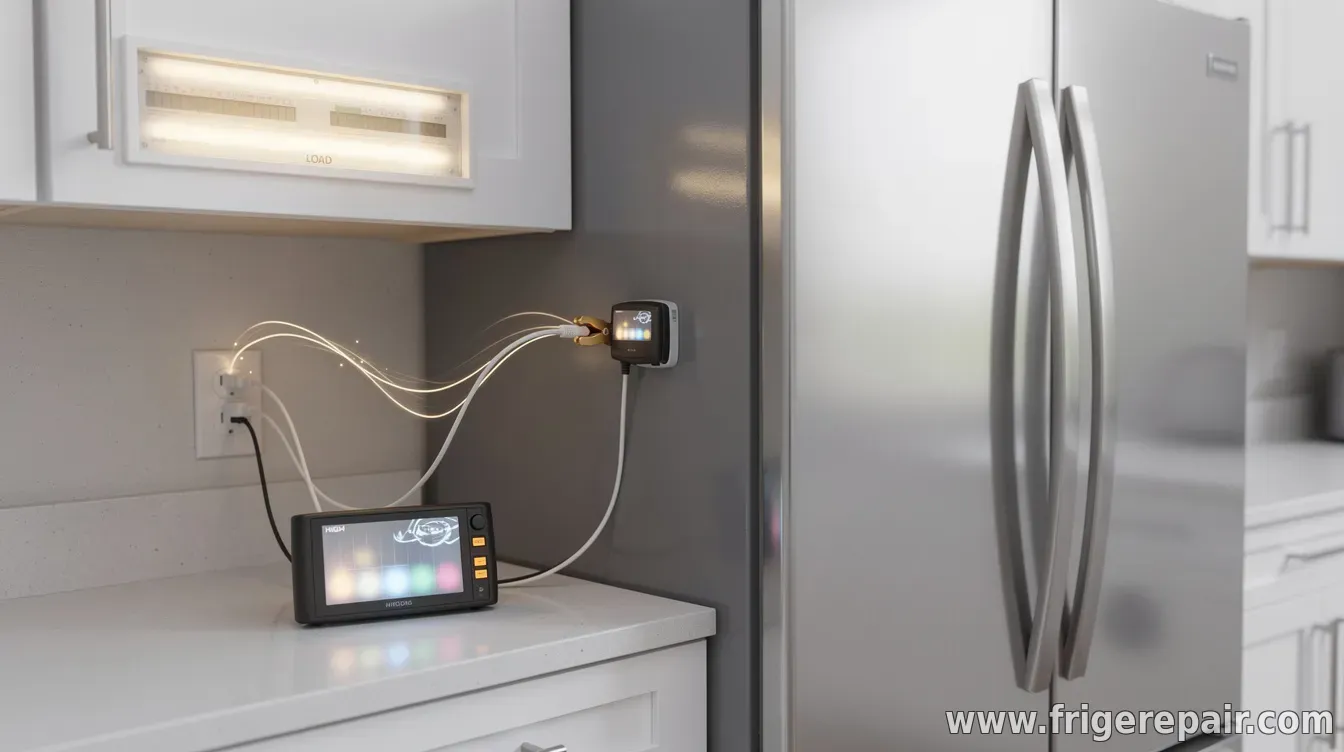 A sudden jump in electricity usage often has a simple cause, and a refrigerator is one of the first appliances to investigate. Because it runs continuously, even small problems—like a door that doesn’t seal, dirty coils, or incorrect temperature settings—can translate into noticeably higher kWh over time. Below is a straightforward way to check whether your refrigerator is using too much electricity, plus the most common signs and fixes. 1) Do a quick “sanity check” on behavior and settingsBefore measuring anything, confirm the refrigerator is actually operating normally. Make sure the temperature controls are set to the recommended range (often around 37–40°F / 3–4°C for the fridge and 0–5°F / -18 to -15°C for the freezer, depending on the model). Also check that the door closes fully and that the gasket (rubber seal) is clean and free of gaps. If the interior feels warmer than usual, ice builds up in the wrong places, or you notice frequent long compressor runs, those can be indicators of inefficient operation. 2) Estimate usage from the nameplate (if available)Many refrigerators list power on a label (for example, “kWh/yr” or “W”). If you can find a kWh-per-year figure, compare it to your actual billing period. If the label only shows watts (W), you can estimate daily energy as watts × hours ÷ 1000. For example, a 150 W unit running most of the time might average far less than 150 W continuously, because the compressor cycles—but the label still helps you build a baseline. This step won’t prove a fault, but it tells you whether your expected range is consistent with your bills. 3) Measure real consumption with a plug-in power meterThe most reliable home check is to measure actual power draw. Use a plug-in electricity monitor (often called a power meter) if your refrigerator is plugged into a standard outlet. Plug the meter between the wall and the fridge, then run tests for at least several hours (ideally one full day). Look at:
If your meter shows unusually high total kWh compared with what you’d expect from the label or with similar models, you likely have an efficiency issue. Tip: If you live in a hot climate or you recently changed how often the door is opened, adjust expectations. Seasonal effects can be significant. 4) Check for the “usual suspects” that drive extra electricityOnce you confirm higher-than-expected usage, inspect common causes:
Many of these issues are noticeable through performance checks: condensation where it shouldn’t be, frost/ice buildup, inconsistent temperature, or a compressor that runs for unusually long periods. 5) Compare measured kWh to your bill (and isolate the fridge)To connect the measurement to real costs, compare the fridge’s measured kWh to the billing period’s increase. If your meter shows daily kWh for the fridge, multiply by the number of days to estimate its contribution. Then compare that estimate to the change in your total household usage. If the refrigerator’s numbers look normal but the bill increased, the cause may be another appliance, heating/cooling system changes, added devices, or shifts in usage patterns. When to consider professional help: If you’ve cleaned coils, confirmed the door seal, verified temperature settings, and still see persistently high kWh or signs of component failure (for example, repeated overheating, unusual noises, or temperatures that never stabilize), a technician can test the compressor, thermostat/control board, fans, and defrost system. By combining a quick setting inspection with a real measurement from a power meter, you can confirm whether your refrigerator is truly using too much electricity—and target the most likely fix instead of guessing. |
|
|
Next & Previous posts
Related articles:


![]()