
3:36 PM Energy-Efficient Appliances: How Repair Extends Efficiency | |
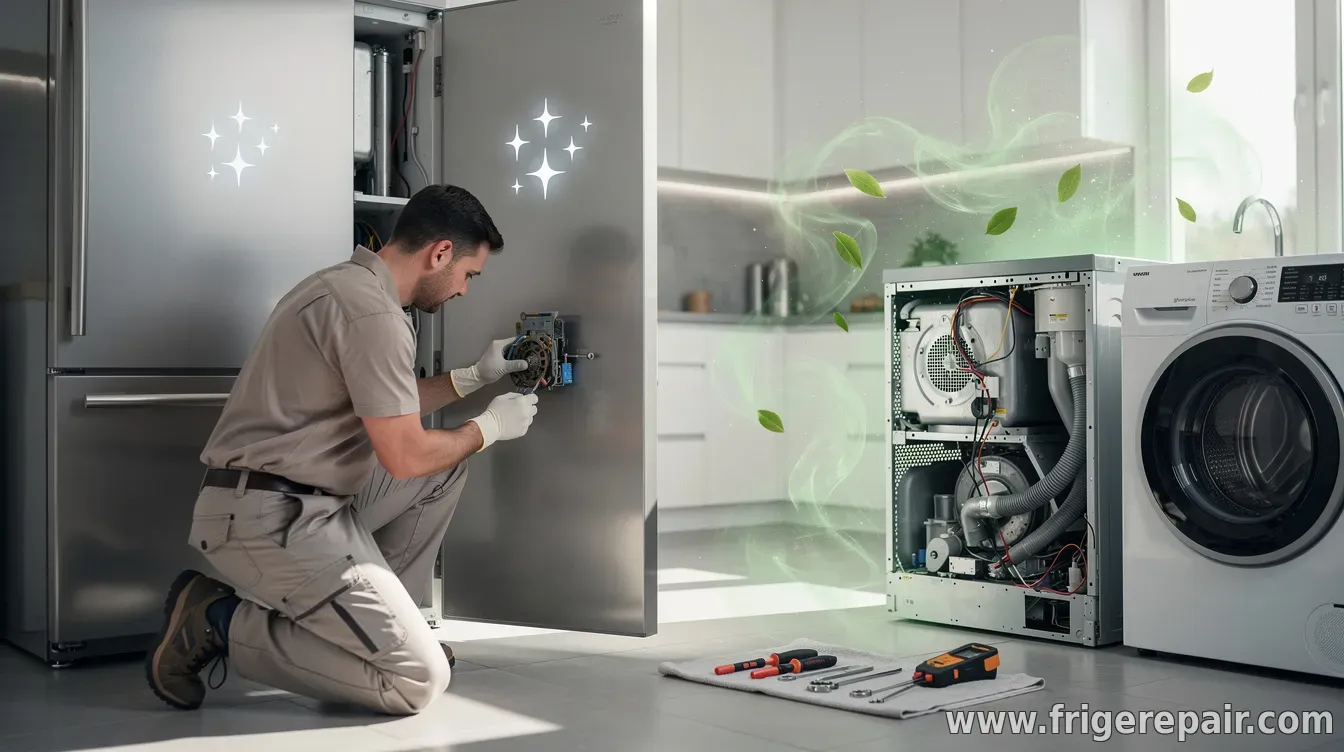 Energy-efficient appliances—from refrigerators and dishwashers to HVAC systems and washing machines—are designed to use less electricity and water. But like any technology, they can drift out of peak performance when parts wear down or sensors misread conditions. Repair is often the difference between a “still working” appliance and one that continues to operate efficiently. Why efficiency can decline after minor failuresMany efficiency gains depend on tight control of temperature, airflow, cycle timing, and water usage. When components degrade, appliances may compensate by running longer or harder. For example, a cooling system that can’t maintain the correct temperature may cycle more frequently, increasing energy consumption. Similarly, a dishwasher with a failing heating element or sensor may need extended cycles to achieve the same cleaning results. Common issues that can reduce efficiency include clogged vents or filters, failing thermostats, worn door seals, malfunctioning thermistors, and damaged or sluggish fans. In some cases, users may only notice indirect symptoms—higher utility bills, longer run times, unusual noises, or inconsistent performance. Repair restores performance and prevents “energy creep”Even small repairs can bring appliances back to their designed operating conditions. Replacing a faulty temperature sensor, restoring a worn gasket on a refrigerator door, or cleaning and properly reinstalling HVAC filters can help the device regulate energy use more accurately. Over time, this reduces the likelihood of what many homeowners experience as “energy creep”—gradual increases in consumption that occur as the appliance works harder to compensate for reduced capability. Repair also helps avoid secondary strain. When an appliance runs inefficiently, additional wear can occur across related components. Addressing the root cause early can reduce the chance of cascading failures that are more expensive and less efficient to resolve. What to look for before efficiency is lostMaintenance and repair decisions are more effective when triggered by early warning signs. While exact symptoms vary by appliance, the following indicators often suggest efficiency-related problems:
In many cases, a quick diagnostic can confirm whether repair is likely to restore efficiency. Professional troubleshooting can be especially valuable for models with built-in sensors, where incorrect readings may cause inefficient cycle control. When repair is the smarter sustainability choiceRepair supports both energy savings and waste reduction. Extending an appliance’s service life can reduce the environmental impact associated with manufacturing and disposing of products. For consumers, repairing an efficient model can also be more cost-effective than replacement—provided the appliance can be returned to stable, reliable operation. That said, deciding between repair and replacement depends on factors such as the appliance’s age, the cost of parts and labor, warranty coverage, and the severity of the issue. A repair that addresses efficiency-limiting components—like insulation leaks, heating element faults, blocked airflow pathways, or control-sensor failures—can offer a strong return when diagnosed early. Practical steps to protect efficiency between repairsRepair isn’t the only lever—consistent care can prevent problems that erode efficiency. Users can improve performance by following manufacturer maintenance guidance, including regular filter changes, keeping vents unobstructed, and promptly addressing unusual smells, leaks, or temperature changes. Running appliances as designed—such as using appropriate detergent settings or load sizes—also helps avoid unnecessary stress that can shorten component life. When repairs are needed, documenting symptoms and performance changes can speed diagnostics. Taking note of cycle durations, temperature behavior, or error codes (when present) helps technicians identify malfunctioning parts more quickly. Energy-efficient appliances are most efficient when they can sense, regulate, and operate within the tolerances they were built for. Timely repair helps maintain those conditions, curbing energy “drift,” improving reliability, and extending the useful life of the appliance. For consumers aiming to lower both costs and environmental impact, repair is often a direct path back to efficiency. | |
|
| |
Next & Previous posts
Related articles:
![]()