6:39 AM Bad Smell in Your Refrigerator: Causes and Fixes | |
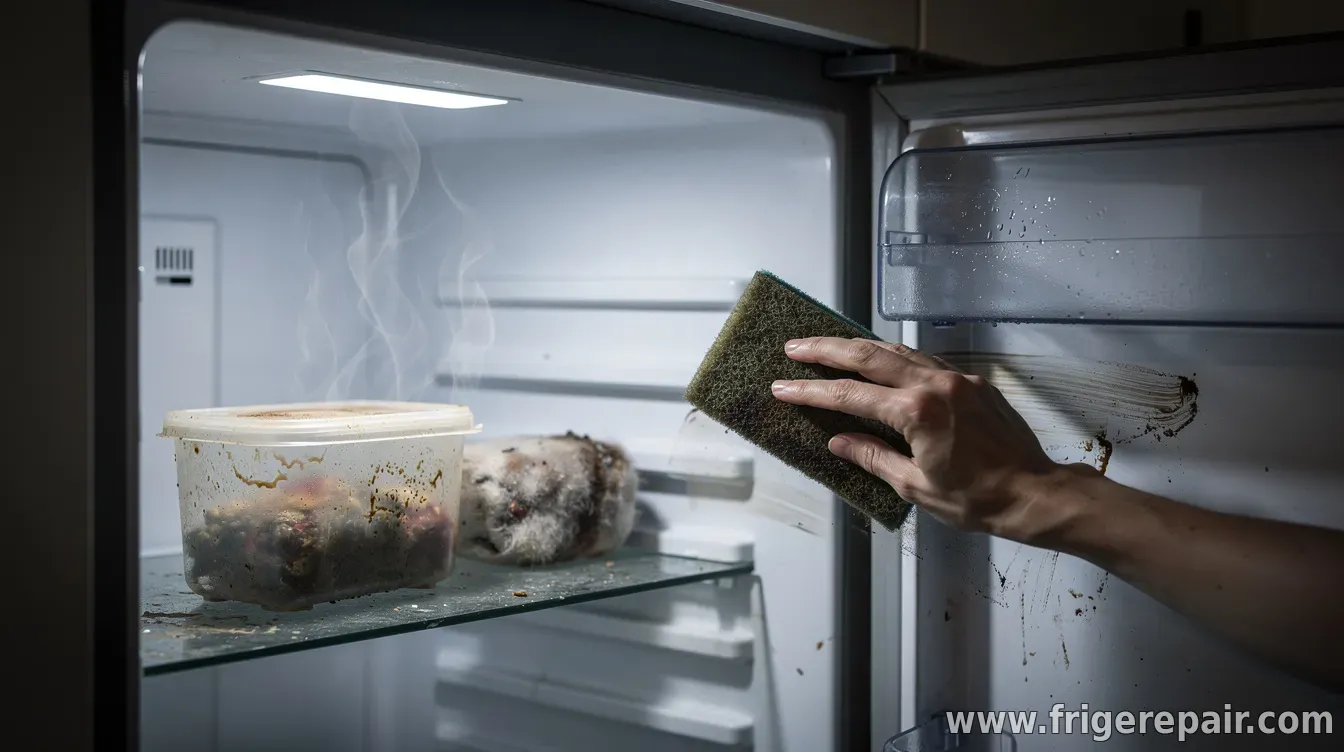 A persistent bad odor in a refrigerator is more than an inconvenience—it can signal spoiled food, a spill that has seeped into shelves, or moisture buildup in hard-to-reach areas. The good news: with a systematic check and a proper clean-out, most smells can be eliminated in under a day. Common causes of refrigerator odorsStart by considering the smell type. A rotten or sour odor often comes from food that has spoiled, leaked, or been stored too long. A musty smell can be caused by excess moisture or a dirty drain area. A burnt or “chemical” smell may indicate an electrical issue nearby or a cleaning product residue left behind—both deserve extra caution. Even if you can’t identify a single spoiled item, odor can travel. Greasy foods, uncovered containers, or repeated condensation from a failing door seal can all contribute to lingering smells. Step-by-step: locate and remove the sourceUnplugging is optional, but it can make cleaning easier. First, remove all food and toss anything past its date or showing signs of spoilage, including bulging packages, leaking containers, or foods with unusual texture. Then, check the shelves, drawers, and the underside of glass shelves for drips or residue.
Once you’ve removed the suspected item and cleaned visible residue, run a quick “sniff test” on each cleaned section to confirm the odor is fading as you go. How to clean effectively (and safely)To neutralize odors, use a simple cleaning approach. Wipe surfaces with warm water and mild dish soap for grease and food residue, then rinse with a cloth dampened in clean water. For lingering smells, a solution of one tablespoon of baking soda in a cup of warm water can help deodorize surfaces without leaving a strong fragrance. Avoid mixing cleaning chemicals—especially bleach with acids or ammonia. If you use bleach for sanitizing, ensure the area is well-rinsed and fully dried before the refrigerator is reloaded. Don’t forget removable parts. Soak drawers, shelves, and bins in warm soapy water, scrub thoroughly, rinse, and dry completely before reinstalling. Damp plastic and un-dried parts can reintroduce odors quickly. Fix what’s causing repeat smellsAfter cleaning, check the refrigerator’s operating conditions. Confirm the temperature is set correctly (commonly around 37°F / 3°C in the fresh-food compartment). If the refrigerator is too warm, food spoils faster and odors return. Also examine the door seal. If the gasket is loose, dirty, or damaged, warm air can enter and create condensation. Wipe the seal, ensure it closes tightly, and watch for gaps around the edges. If moisture keeps building, review how food is stored. Cover leftovers, use airtight containers, and avoid leaving produce in standing moisture. Place a paper towel in drawers to absorb excess humidity if your model tends to collect condensation. When to consider a deeper issueIf the smell persists after you’ve removed food, cleaned thoroughly, and verified temperatures and seals, the cause may be deeper—such as a clogged drain, trapped liquid behind panels, or an internal component problem. For leaks behind the interior wall or recurring dampness, consult the manufacturer’s manual or a technician. For “burnt” or electrical-type odors, stop using the appliance and seek professional help. Safety comes first when the smell suggests potential malfunction. Prevention tips to keep it smelling freshTo keep odors from returning, make cleaning part of routine: wipe up spills immediately, check leftovers every few days, and do periodic inspections for leaks. Many households also use open boxes of baking soda in the fridge as a deodorizer, though it’s not a substitute for cleaning the source of the smell. A clean refrigerator isn’t just about a pleasant scent—it’s a practical step toward food safety. With a targeted clean and a quick check of temperature and door sealing, you can usually restore fresh air inside the fridge quickly. | |
|
| |
Next & Previous posts
Related articles: