6:19 AM Refrigerator Door Gasket Replacement: When to Act |
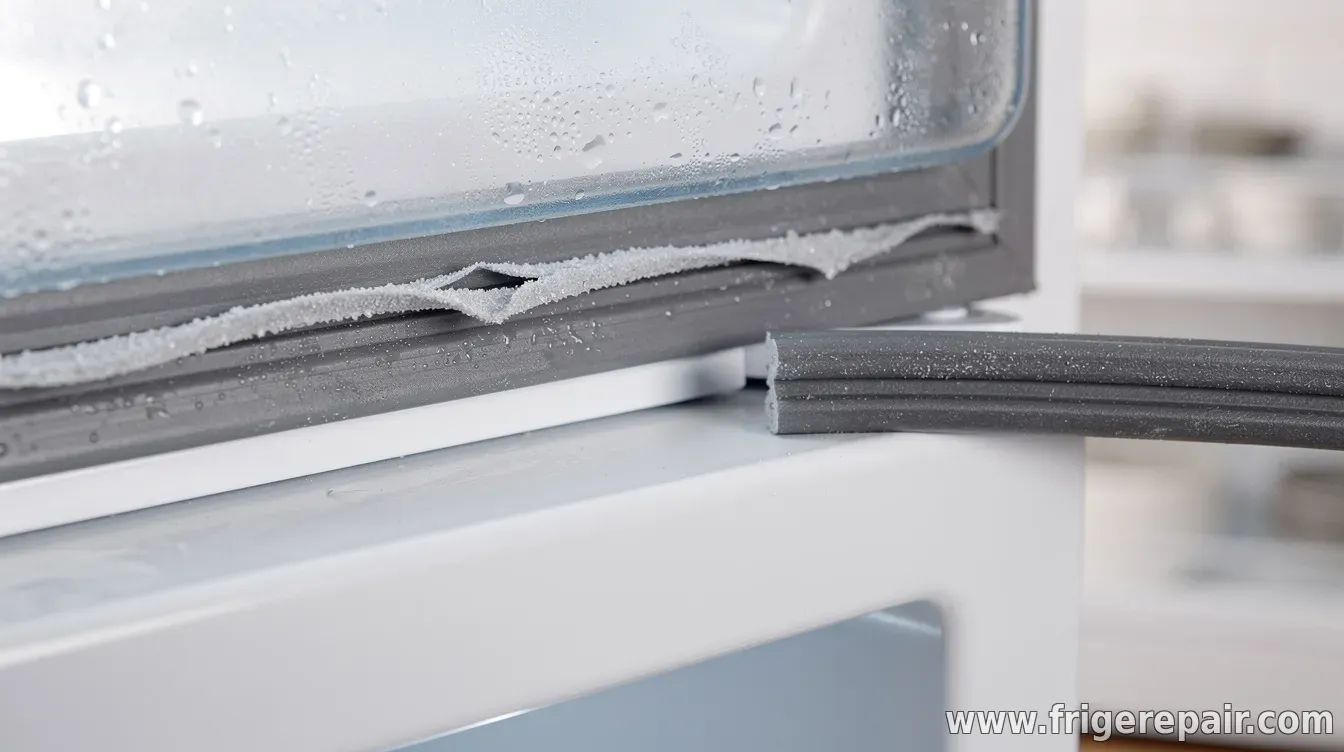 A refrigerator door gasket (the rubber seal around the door) is a small part with a big job: it keeps cold air inside and warm air out. When the gasket deteriorates—through wear, stretching, or damage—the fridge works harder to maintain temperature, which can increase energy use and raise the risk of spoilage. Replacing the gasket is often straightforward, but timing matters. Addressing the issue early can prevent avoidable temperature swings and help maintain consistent cooling without unnecessary strain on the compressor. Why the gasket mattersGaskets form an airtight barrier when the door closes. If the seal isn’t tight, cold air leaks and the appliance compensates by running more frequently. Over time, that extra runtime can mean higher electricity costs and may contribute to premature wear on internal components. A failing gasket can also lead to condensation or frost buildup near the door edges—especially in refrigerators with freezer compartments—because warmer air infiltrates and then cools inside. Common signs it’s time to replaceMost replacement decisions start with visible and measurable symptoms. If you notice any of the following, it may be time to inspect the seal more closely or plan a replacement:
For a quick check, many homeowners use the “paper test”: close a thin paper sheet in the door, then gently pull it out. If it slides out easily or the seal fails to hold at multiple points, the gasket may no longer be sealing properly. When replacement is needed (by scenario)Gasket replacement isn’t only about age. It’s needed when the seal performance has degraded beyond what cleaning or minor adjustments can fix. The clearest triggers include physical damage, loss of flexibility, and persistent cooling problems. After impact or misalignment: If the door was bumped, the hinges shifted, or the door won’t sit evenly, the gasket may not contact correctly. In those cases, replacing the gasket may be necessary—especially if it has stretched or developed permanent folds. After long-term wear: Over years of heat cycling and repeated openings, the rubber can harden or crack. Even if the gasket looks mostly intact, loss of elasticity can reduce sealing effectiveness, making replacement the more reliable fix. When cleaning doesn’t solve it: Dirt and grime can sometimes prevent full contact. However, if thorough cleaning and drying don’t restore the seal—or if gaps remain—repairing by cleaning alone won’t be enough. What causes gaskets to failDoor seals are exposed to daily stress, moisture, and temperature changes. Common causes of gasket failure include repeated compression that eventually weakens the material, exposure to spills that degrade rubber, and normal aging that reduces flexibility. Improper cleaning can also contribute. Using harsh chemicals or abrasive tools may damage the surface and shorten gasket life, while leaving sticky residues can interfere with full contact along the sealing line. What to do before you replaceBefore buying a replacement, confirm the gasket size and design match your refrigerator model. Many manufacturers offer OEM (original equipment manufacturer) seals, but third-party options can work if they match the exact dimensions and door configuration. Checking the model and serial number helps avoid ordering the wrong part. Also inspect the door’s sealing path for warping or obstructions. If the door liner is damaged or the hinge alignment is off, the new gasket may not seal correctly, even if it’s the right part. Expectations after installationOnce replaced, the refrigerator should hold steady temperatures more consistently and run less to maintain its cooling targets—particularly noticeable after the first day as the system stabilizes. You may also see reduced condensation near the door edges. After installation, keep the gasket clean and avoid over-scrubbing. Regular visual checks—especially along corners and frequently used latch areas—can help you catch seal problems early and extend gasket life. If your refrigerator still struggles to maintain temperature after a new gasket is installed, other issues such as a malfunctioning thermostat, airflow problems, or an insulation breach could be involved. In that case, additional troubleshooting may be needed. |
|
|
Next & Previous posts
Related articles: