9:36 AM Fridge Not Cooling While Freezer Works: Causes & Fixes | |
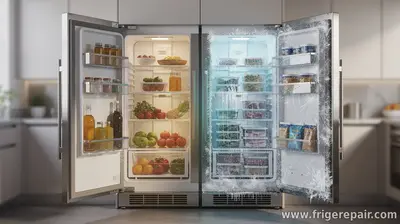
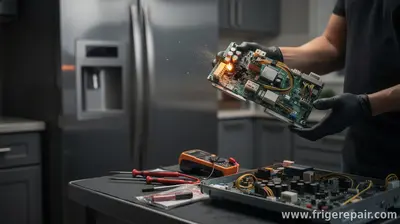
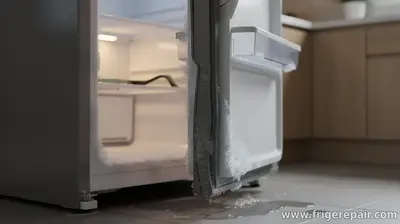
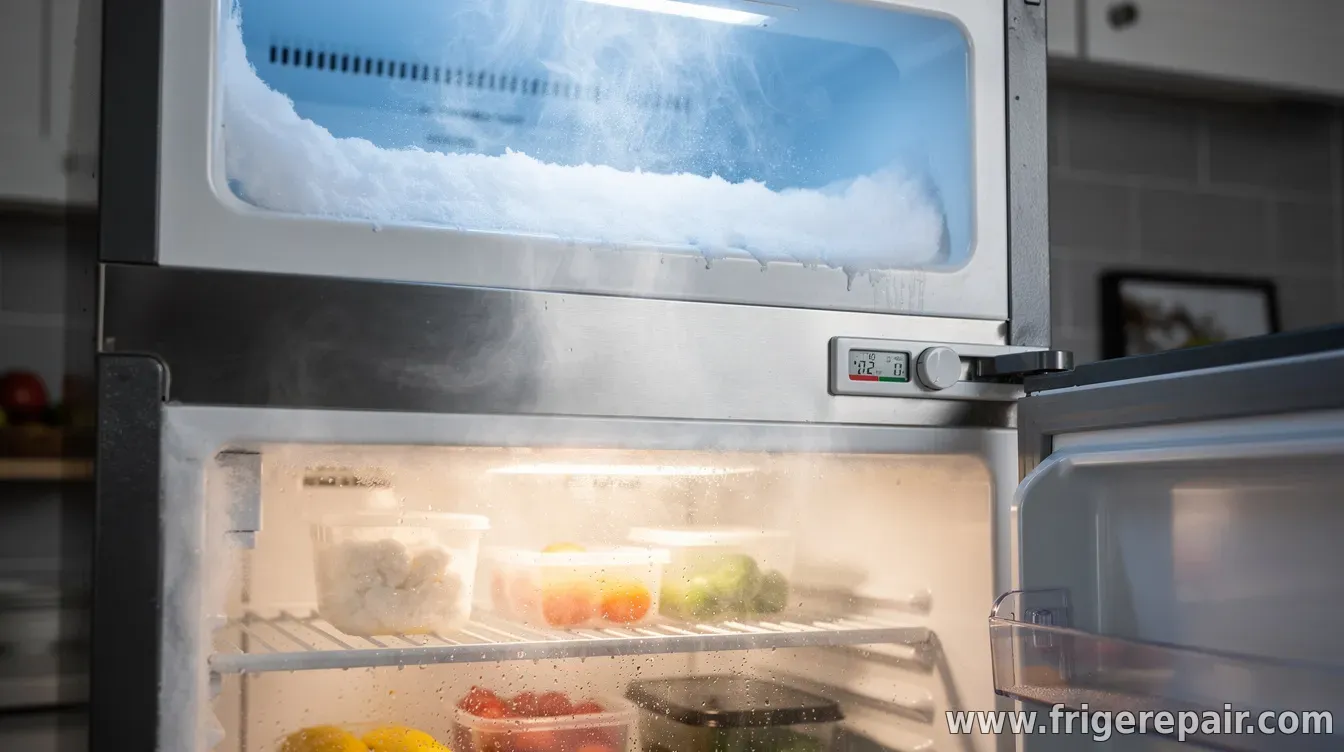 When a refrigerator’s freezer runs properly but the fridge compartment won’t cool, the problem is typically not “the compressor is dead.” Instead, it’s usually something that prevents cold air from reaching the refrigerator section or something that stops the fridge from being controlled correctly. Modern fridges rely on a controlled airflow path (often via a fan and an air damper) to move cold air from the freezer to the fridge. If that pathway is restricted—or if the fridge temperature control isn’t signaling cooling—your freezer can stay icy while the fresh-food compartment warms up. 1) Blocked airflow from the freezer to the fridgeThe most common failure point is the air damper. This flap regulates how much cold air enters the fridge section. If it sticks closed (or partially closes), the freezer will still feel cold, but the fridge will struggle to get down to temperature. A similar issue happens if vents inside the fridge are blocked by food placement or if an air outlet is obstructed by ice buildup. Ice is also a frequent culprit. Many refrigerators experience frosting around airflow channels, particularly after repeated door openings or if the defrost system is underperforming. Even a modest ice blockage can noticeably reduce cooling where you actually store perishables. 2) A faulty evaporator fanThe evaporator fan (in the freezer area) helps circulate cold air. If it stops working, or runs intermittently, the freezer may remain cold enough to function because it’s still within the cooling zone—but the fridge won’t receive enough airflow to cool effectively. Signs can include unusual or absent fan sounds, uneven compartment temperatures, or rapid warming in the fridge section. 3) Temperature control or sensors misreading conditionsIn many models, the fridge temperature is managed by a control board and one or more sensors. If a sensor fails or the control board can’t “read” the fridge temperature correctly, it may not open the damper or may not energize the appropriate cooling behavior. The result: freezer stays cold, while the fridge maintains only a weak temperature. Before replacing parts, check whether the fridge is set correctly and whether the display/control panel shows any error codes (if your model has them). Mis-set temperatures can mimic component failures, though they’re less likely if the freezer temperature is stable. 4) Defrost system issuesIf frost accumulates on components involved in airflow—like the evaporator coil or near the damper pathway—the refrigerator can’t move cold air efficiently. A malfunctioning defrost heater, defrost thermostat, or a timer/control related to defrost can lead to a “freezer works, fridge doesn’t” pattern as the system gradually becomes airflow-limited. A quick indicator is how much frost you find in the freezer air outlet area (not just the normal presence of some frost). Excessive buildup often points toward defrost-related trouble rather than a total cooling failure. What you can do next (safe, practical checks) Start with basic observations and airflow checks. Keep safety first: unplug the refrigerator before removing covers, and avoid forcing parts like dampers or fans.
If you’re comfortable with light troubleshooting, these checks can narrow down whether you’re dealing with airflow restriction (damper/ice), fan failure, or control/defrost problems. If the issue persists—or if you need to test electrical components—calling a qualified appliance technician is often the fastest and safest route. With this symptom pattern, the most likely culprits are airflow-related: a stuck air damper, reduced venting from ice buildup, or a failing evaporator fan. Temperature sensors and defrost system failures can also produce the same effect, especially if cooling in the fridge gradually worsens over time. | |
|
| |
Next & Previous posts
Related articles: