3:52 AM Condenser Coils: How to Clean Them and How Often | |
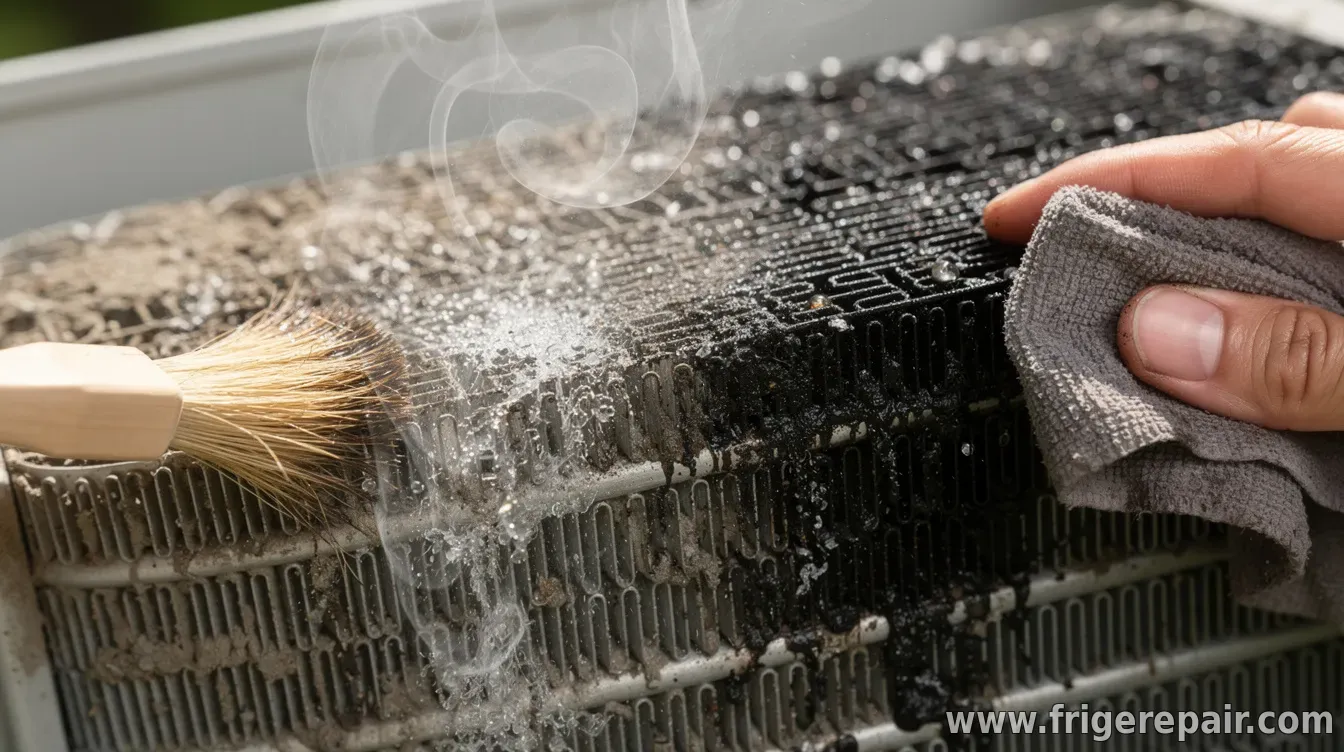 Condenser coils are a critical part of many air conditioners and heat pumps: they release heat outdoors so the system can keep your home comfortable. When coils get clogged with dust, pet hair, leaves, or grease, airflow drops and the system has to work harder—often leading to higher energy bills and more frequent repairs. Proper coil cleaning is also one of the simplest homeowner maintenance tasks. The key is knowing the right method, avoiding damage to fins and wiring, and choosing a schedule based on your environment. How to clean condenser coils1) Turn off power. Shut off the thermostat and switch off the system at the outdoor disconnect or breaker. This protects you while you remove debris and clean around electrical components. 2) Clear loose debris first. Remove leaves, grass clippings, and visible buildup around and between the fan housing and coil area. Use a soft brush or a gentle vacuum attachment to avoid bending the coil fins. 3) Rinse with care (if appropriate). If the unit’s manufacturer allows it, gently rinse the coil with a garden hose using low pressure. Keep water from directly blasting electrical parts, and avoid soaking insulation or controls. If you’re unsure, use a manufacturer-approved cleaning method instead. 4) Use a coil cleaner sparingly. For oily grime or stubborn buildup, apply a cleaner designed for AC condenser coils. Follow the label instructions exactly, including dwell time. Don’t over-apply, and keep chemicals away from nearby vegetation and electronics. 5) Allow it to dry and reinstall protections. After cleaning, let components dry fully. Recheck that no tools, rags, or debris are left near the fan. Once everything is dry, restore power and test the system. How often should you clean condenser coils?The right frequency depends on airflow, local conditions, and how quickly the coil collects dirt. As a baseline, many homeowners benefit from inspecting coils at least once per year and cleaning when buildup is visible or performance seems to decline. Typical schedules:
If your system is experiencing symptoms—reduced cooling, longer run times, ice formation on lines, or frequent cycling—cleaning the coils may help, but it’s not a substitute for professional diagnostics if the problem persists. When to stop and call a technicianContact a licensed HVAC technician if you see bent coil fins, repeated icing, refrigerant-related symptoms, electrical faults, or if you’re not sure whether your system and environment allow hose rinsing. Professionals also have safe access to deeper cleaning and can check airflow, drainage, and electrical performance while they’re there. By cleaning condenser coils on a reasonable schedule and using the right technique, you can keep your AC or heat pump running efficiently—and you’ll likely extend the life of key components. | |
|
| |
Next & Previous posts
Related articles: