8:20 AM Freezer Frost Buildup: Causes and How to Fix It | |
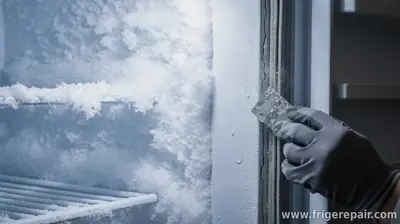
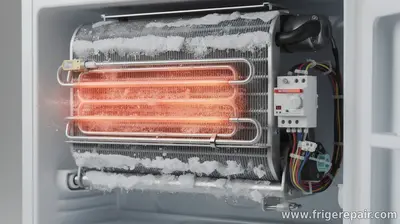
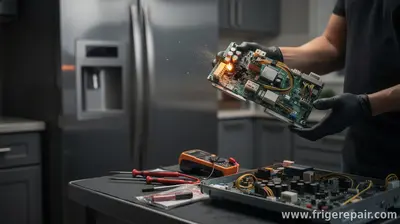
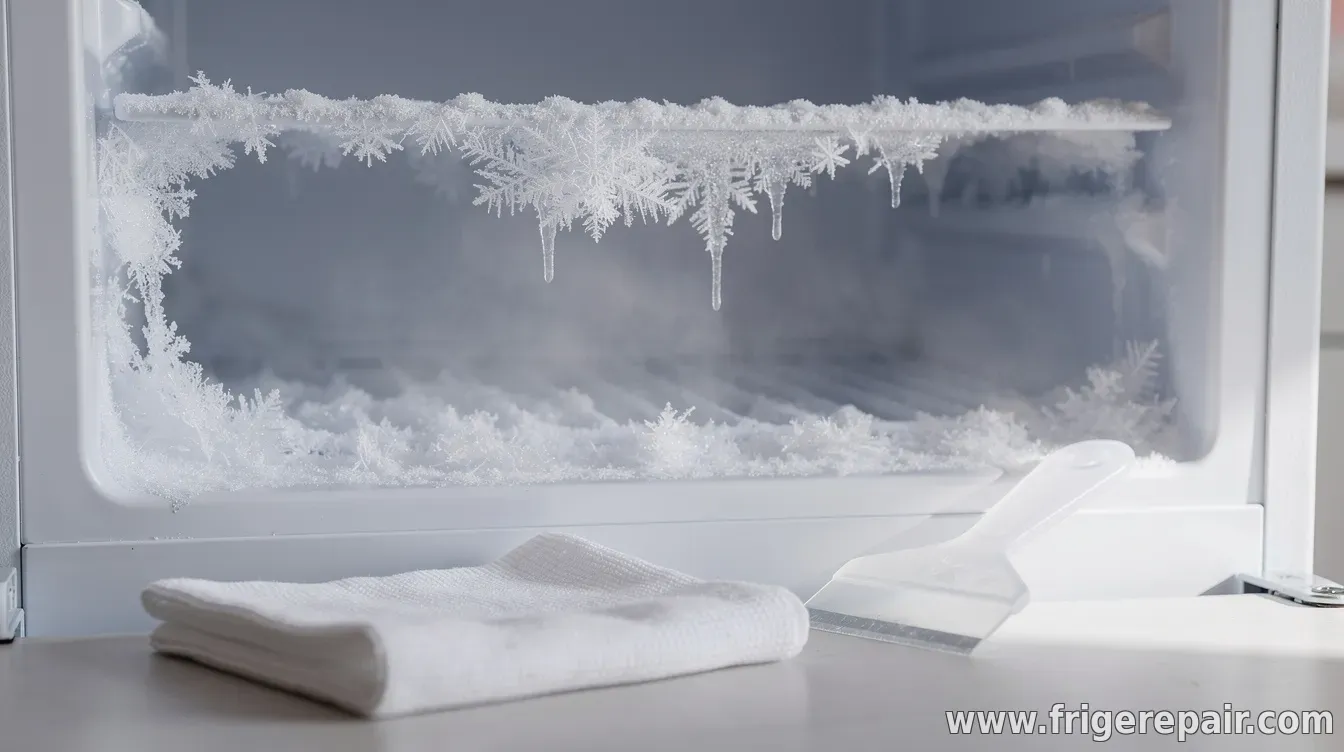 Excess frost on a freezer wall, around vents, or on the back panel can reduce storage space and make the appliance run longer than it should. While some ice accumulation is normal, heavy buildup often signals a problem with airflow, sealing, or the freezer’s defrost system. Most freezer frost problems come down to the same basic process: moisture from inside the cabinet (or warm, humid air entering the freezer) eventually freezes when it contacts cold surfaces. The fix is therefore two-part—stop the moisture source and ensure the unit can properly remove frost during defrost cycles. Common causes of frost buildup1) Warm air leaks through the door seal. If the gasket is worn, dirty, or misaligned, humid room air can enter and freeze on inner components. Signs include uneven frost patterns and frosting near the door edges. 2) A failing defrost system. Many freezers use a defrost heater, defrost thermostat/thermostat sensor, and control board to periodically melt ice. If any component is weak or not activating, frost accumulates—often starting near the evaporator/back wall. 3) Blocked or restricted airflow. Items placed too close to vents can limit airflow, causing localized temperature drops where moisture freezes. Frost may appear unevenly around air outlets or in “hot spots.” 4) Frequent door openings or warm food loading. Opening the door often, leaving it ajar, or putting hot/warm containers inside increases internal humidity and cooling demand, leading to faster frost growth. 5) Condensation control issues. In some models, ice can be worse when the freezer is overfilled, when drawers/liners sit incorrectly, or when drainage paths are clogged—especially after prior defrosting. How to fix frost buildup (safe, practical steps)Step 1: Unplug and thaw completely. Move food to a cooler, then switch the freezer off (or unplug it) and allow ice to melt fully. Place towels around the base to manage water. Do not chip ice with sharp tools—this can damage refrigerant lines or interior panels. Step 2: Clean moisture and residue. Wipe down interior surfaces with warm water and a mild detergent, then dry thoroughly. If there’s a drain opening or collection channel, clear any debris so future melt water can flow as intended. Step 3: Inspect and test the door gasket. Check for cracks, warping, or gaps. A simple test is to close the door on a sheet of paper and gently pull it—if it slides out easily, the seal may be compromised. Clean the gasket with warm soapy water to remove grime that prevents a tight seal. Step 4: Check airflow and loading habits. Ensure vents are not blocked and that containers aren’t packed tightly against air outlets. Use sealed containers for foods to reduce moisture release, and let cooked food cool before freezing. Step 5: Verify defrost operation. If frost returns quickly after thawing, the defrost components may be failing. Look for clues such as ice buildup that consistently forms in the same area (often near the evaporator). Many repairs involve electrical components; if you’re not comfortable diagnosing heater/sensor/control parts, it’s best to contact a qualified technician. Step 6: Adjust temperature carefully. Extremely low settings can increase ice formation if airflow or sealing is already marginal. Follow the manufacturer’s recommended freezer temperature and avoid unnecessary overcooling. When to call for professional serviceIf frost returns within days, the unit struggles to maintain temperature, or you suspect the defrost heater/thermostat or control board is faulty, professional help can prevent repeated melt cycles and protect long-term efficiency. Once the freezer is thawed, sealed, and operating correctly, frost buildup should slow significantly. Keeping airflow clear, minimizing door open time, and ensuring proper defrost performance are the most reliable ways to keep the freezer running efficiently. | |
|
| |
Next & Previous posts
Related articles: