
8:38 AM Cost to Run a Fridge in NYC: Con Edison Rates + Rebates | |
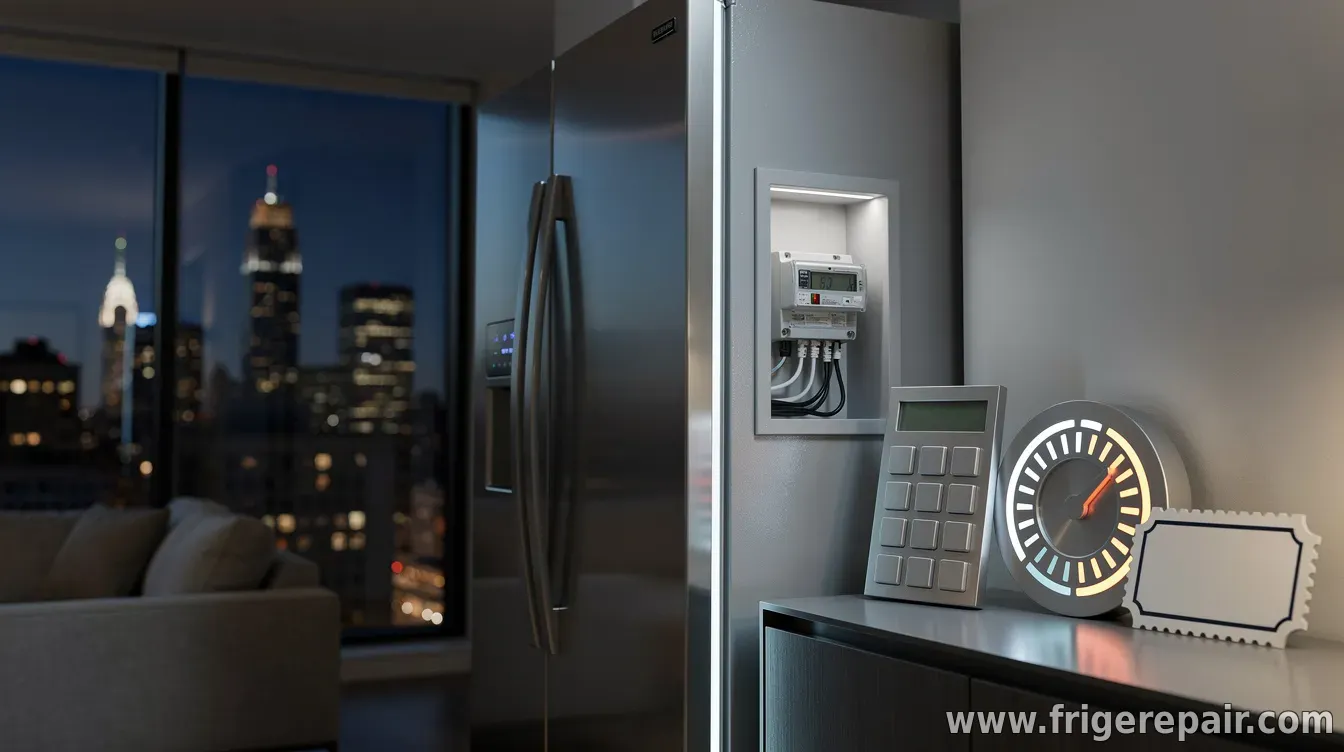 In NYC, the cost to run a refrigerator is usually small compared with space heating and air conditioning—but it still adds up over a year. The total price depends on your refrigerator’s energy use (kWh), how long it runs, and the specific Con Edison electric rate you’re on. Below is a practical way to estimate your fridge’s electricity cost using Con Edison pricing, along with rebate and incentive options that can reduce the effective cost of upgrading to a more efficient model. 1) Start with the key number: refrigerator kWh per yearMost refrigerators list an annual energy use figure on the EnergyGuide label (often in kWh/year). If you have that number, your estimate becomes straightforward: your fridge’s electricity use times your rate per kWh. If you don’t have the label handy, look up the model’s annual kWh from the manufacturer or use a rule-of-thumb range: many modern, mid-size refrigerators fall roughly around 400–700 kWh per year. Older units can be higher. 2) Convert kWh to dollars using your Con Edison rateCon Edison bills typically involve a combination of components, and your all-in cost per kWh may vary by supply plan, delivery charges, and time-of-use (TOU) vs non-TOU. For estimating, the simplest approach is to use your current effective $/kWh from your bill—often found on the summary page where electricity charges are totaled and divided by kWh. Once you have an effective rate, the math is: Annual cost ≈ (Fridge kWh/year) × (Effective $/kWh) Daily cost ≈ Annual cost ÷ 365 To make the estimate concrete, here are sample scenarios using an illustrative effective rate of $0.20 per kWh (your actual rate may differ):
These ranges align with the idea that a fridge is generally a low-to-moderate electricity load—especially compared with heating and cooling. 3) Efficiency details that can move your costA refrigerator doesn’t “cycle” in a simple on/off way; compressors and fans run intermittently based on temperature set points, door openings, ambient kitchen temperature, and the unit’s insulation. Small operational changes can matter over time:
In general, newer ENERGY STAR-style models with better insulation and efficient compressors reduce kWh/year meaningfully—often enough to offset a portion of upgrade costs through lower bills. 4) What to check in your Con Edison setupBecause Con Edison pricing can vary by rate structure, residents should confirm three things before using any estimate:
If you prefer a direct approach, you can also estimate from your bill by noting the kWh for the period and comparing how much of that total is attributable to constant loads like a fridge/freezer. Bottom line: Most NYC households typically see fridge operating costs in the neighborhood of tens of dollars per year for efficient units and around the low hundreds per year for less efficient older refrigerators—assuming standard use and a typical NYC electric rate. 5) Where rebates and incentives may helpEven though a fridge is a “steady” load, rebates can make upgrades more affordable. In New York, incentive programs are often administered through utility and state efficiency channels. Depending on eligibility and timing, you may find options related to:
For the most up-to-date rebate availability, check Con Edison’s current energy efficiency program listings and any state-level appliance incentive programs. Because program rules and funding can change, it’s worth verifying the exact appliance requirements (model eligibility, minimum efficiency thresholds, and how the rebate is issued). Next steps if you want a more exact number: Find your fridge’s EnergyGuide kWh/year, locate your effective $/kWh on your Con Edison bill, and run the equation above. If you’re considering a replacement, compare the new model’s kWh/year to your current unit and evaluate whether rebates plus bill savings justify the upgrade. | |
|
| |
Next & Previous posts