
8:40 AM Freezer Meal Prep: How Long Meals Last |
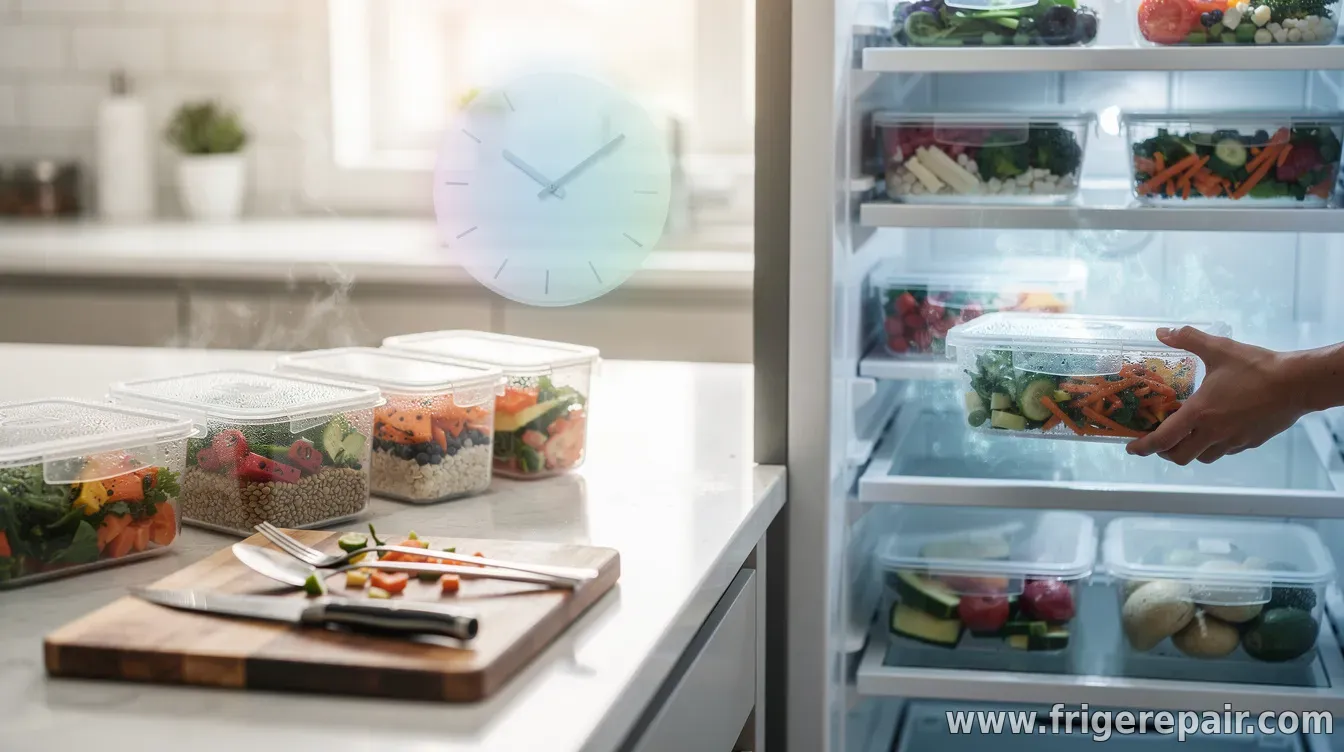 Freezer meal prep can save time, reduce food waste, and make busy weeks easier. But to get the best flavor and the safest results, it helps to know how long different types of meals keep in the freezer—and how to freeze them the right way from day one. In general, frozen food stays safe for a long time if your freezer is set to 0°F (-18°C) or lower. Quality typically declines over time, so “best by” timelines matter just as much as food-safety guidelines. How long freezer meals last (by type)Use these storage windows for best quality. If meals are properly wrapped and your freezer stays consistently cold, you can expect good results within these ranges:
For meals with dairy-based sauces, seafood, or foods you want to taste their best, aim closer to the shorter end of the range. How to freeze meals right (step-by-step)Freezing isn’t just about putting food in the freezer—it’s about protecting it from air and temperature swings. Start with cooled food: freeze meals after they’ve been cooled to room temperature (no longer than two hours out at room temp). Next, portion and package. Smaller portions freeze faster, thaw more evenly, and reduce the number of times you open the package. Choose containers or freezer bags that seal tightly, and remove as much air as possible to limit freezer burn. Label everything before it goes in the freezer: include the meal name and the freeze date. Consider adding reheating directions (“bake from thawed,” “microwave until hot,” etc.) so future-you has fewer decisions to make. Prevent freezer burn and texture changesFreezer burn happens when food is exposed to air. It can make surfaces dry and change texture and flavor. To reduce risk, use heavy-duty freezer bags or airtight containers, and consider wrapping food with an extra layer (like plastic wrap) before the final container step for extra protection. Some ingredients don’t freeze the same way as others. Leafy greens, high-water vegetables, and certain sauces may soften when thawed. If a recipe includes delicate components, you can freeze those separately and combine after reheating for better results. Best thawing and reheating practicesFor safety and even heating, thaw in the refrigerator when possible. Refrigerator thawing typically keeps food at a safe temperature while it gradually warms. If you need speed, you can reheat from frozen—especially soups, stews, and casseroles—just be sure the center reaches a safe, steaming-hot temperature. When reheating, avoid partial cooking and re-freezing leftovers. Reheat only what you plan to eat, and stir or rotate when microwaving to eliminate cold spots. Quick checklist for meal-prep successKeep these habits consistent for better taste and fewer surprises:
With the right storage times, packaging, and thawing method, freezer meal prep can deliver meals that taste close to fresh—while giving you the convenience of planning once and eating well all week. |
|
|
Next & Previous posts