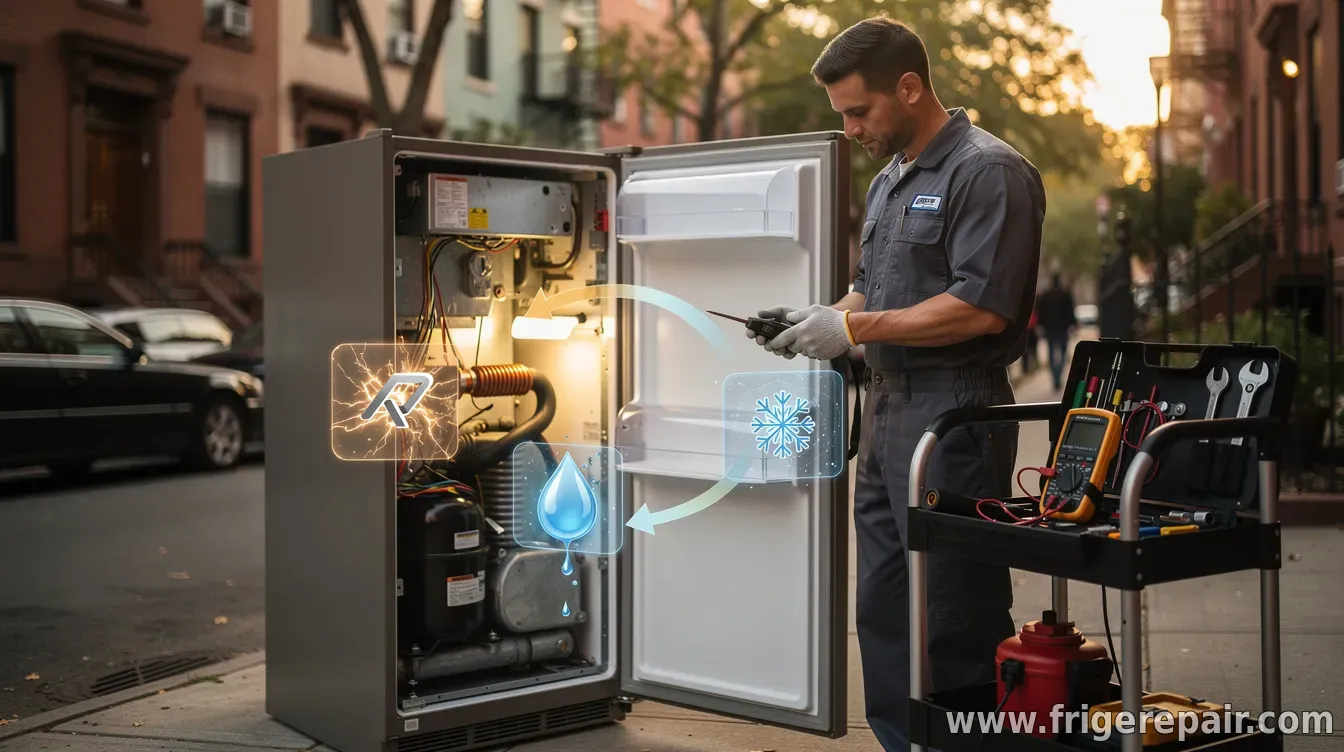
Brooklyn homeowners looking for refrigerator repair usually want two things: a fair price and clear expectations on how the cost is calculated. While every appliance and symptom is different, local service calls tend to follow a predictable pattern—diagnosis first, then parts and labor depending on the specific failure.
Below is a practical price guide by issue for common refrigerator problems in Brooklyn, plus the key factors that can change your total.
Typical Brooklyn refrigerator repair ranges
Most repairs in Brooklyn fall into three broad tiers. Minor fixes often start around $150–$250 (diagnosis plus smaller parts). Mid-range repairs commonly run $250–$450 when compressors, control boards, or multiple components are involved. Major failures—especially those requiring compressor replacement or extensive sealed-system work—can reach $500–$1,200+, depending on the mode
... Read more »
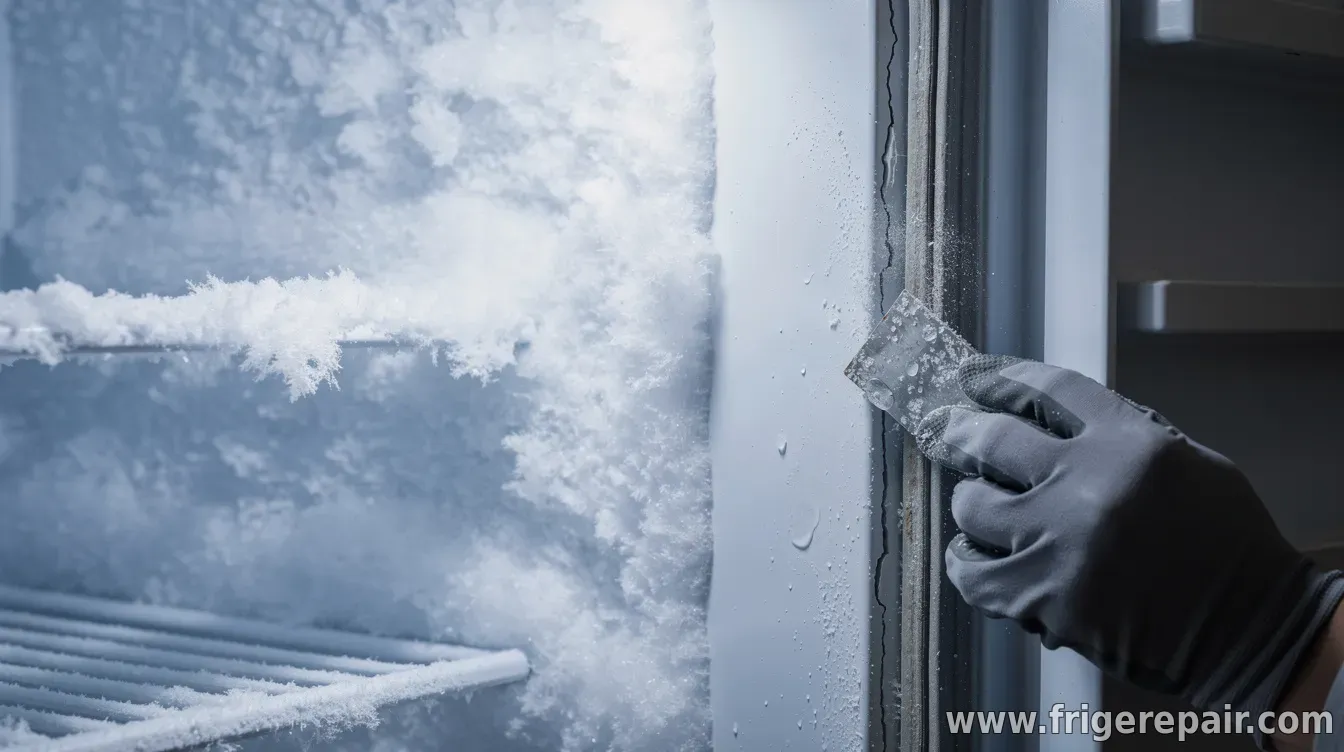
Excess frost or ice buildup inside a freezer can reduce cooling efficiency, waste energy, and eventually affect food storage. While occasional light condensation can happen, repeated frost accumulation typically points to an issue with airflow, the door seal, or the freezer’s defrost system.
Below are the most common causes, practical checks you can do at home, and steps to reduce or eliminate the problem—without guesswork.
Warm air leaks past the door seal
The most frequent reason for frost buildup is warm, humid air getting inside. When that air contacts cold surfaces, moisture freezes into frost. Check whether the freezer door fully closes and whether the gasket (rubber seal) is dirty, cracked, or warped.
A simple test: close the door on a sheet of paper and gently pull. If the paper slides out easily or you feel gaps, the seal may be failing. Clean the gasket with warm soapy water, dry it, and inspect it for tears or hardening. If th
... Read more »
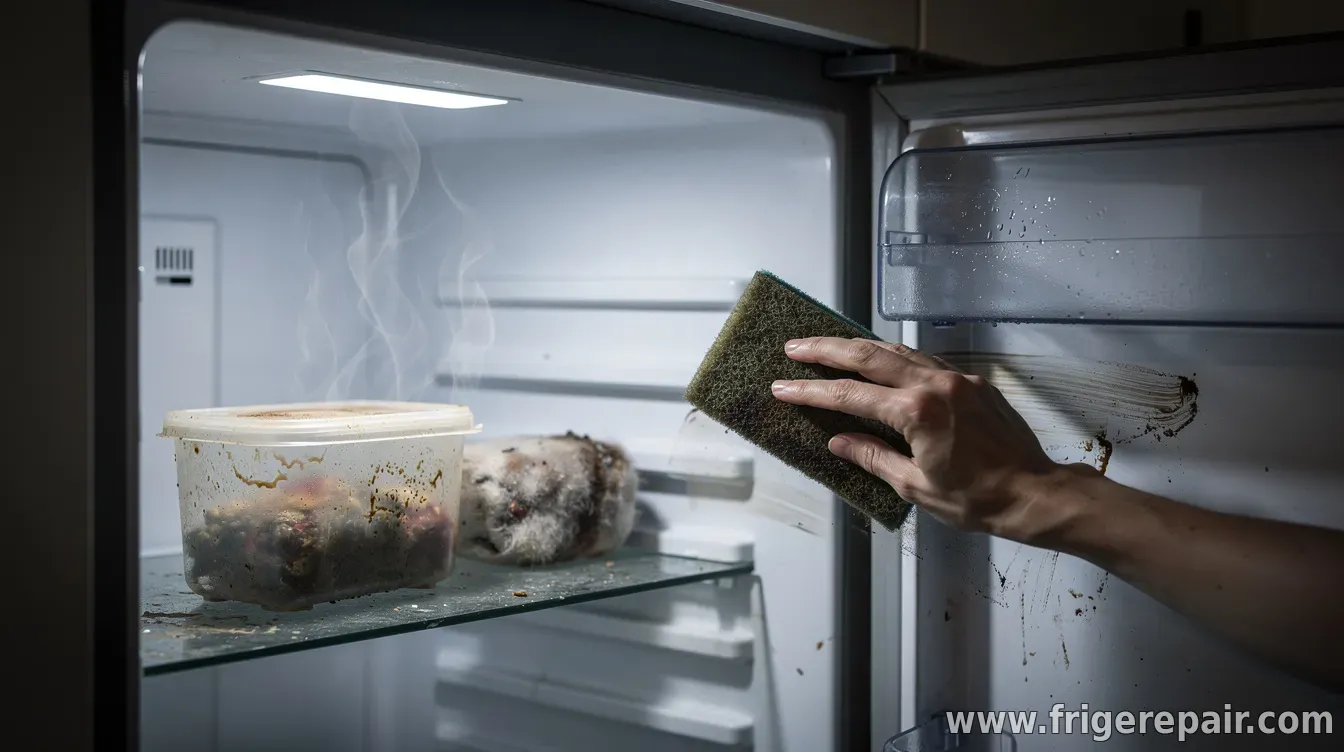
A persistent bad odor in a refrigerator is more than an inconvenience—it can signal spoiled food, a spill that has seeped into shelves, or moisture buildup in hard-to-reach areas. The good news: with a systematic check and a proper clean-out, most smells can be eliminated in under a day.
Common causes of refrigerator odors
Start by considering the smell type. A rotten or sour odor often comes from food that has spoiled, leaked, or been stored too long. A musty smell can be caused by excess moisture or a dirty drain area. A burnt or “chemical” smell may indicate an electrical issue nearby or a cleaning product residue left behind—both deserve extra caution.
Even if you can’t identify a single spoiled item, odor can travel. Greasy foods, uncovered containers, or repeated condensation from a failing door seal can all contribute to lingering smells.
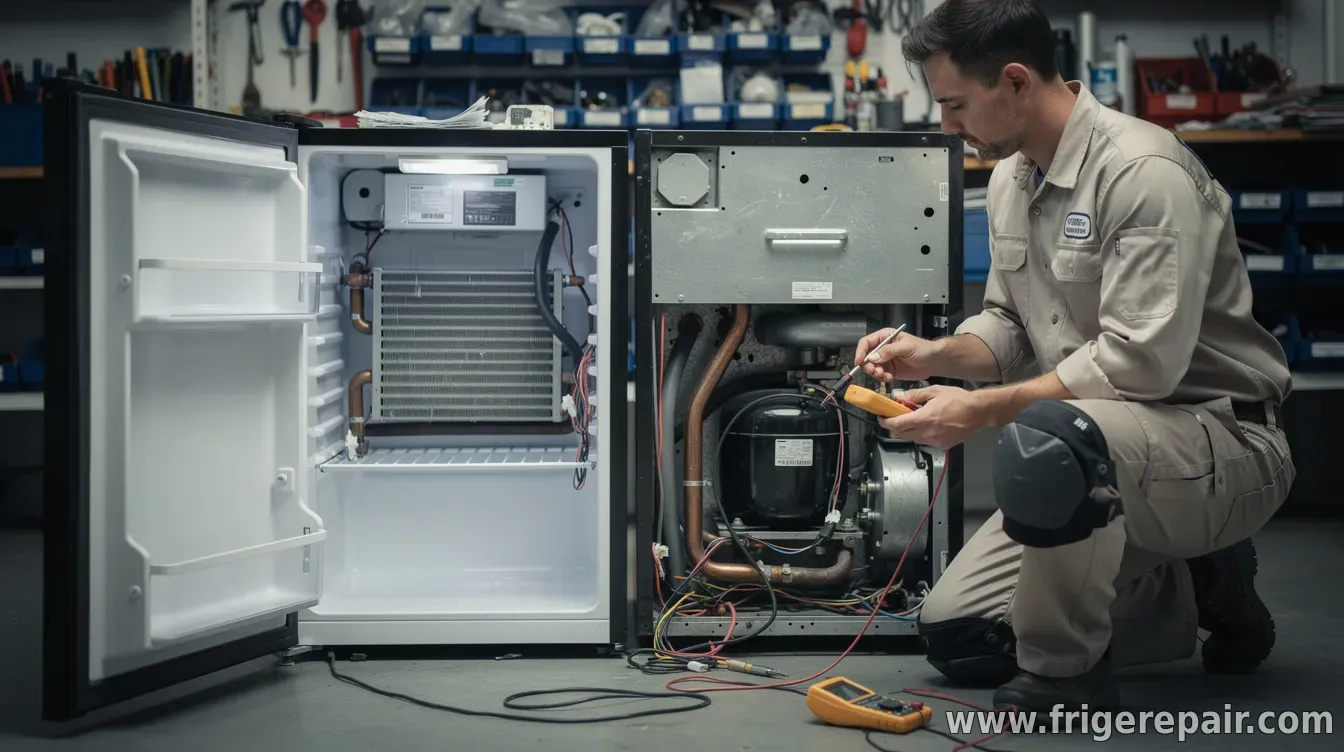
Mini-fridges and bar fridges are built for convenience, but when they stop cooling properly, the cause is usually specific—and often fixable. Before replacing the unit, run a quick set of checks that can narrow the problem to power, airflow, controls, or refrigeration components.
In many cases, repair starts with the basics: confirming that the fridge is actually receiving stable power and that internal controls are set correctly. From there, look for symptoms like unusual noise, frost buildup, or warm spots to guide next steps.
Start with power and temperature settings
If the mini-fridge is completely warm or the compressor doesn’t seem to run, verify the outlet works using another device. Check the power cord for damage and ensure the plug is fully seated. Then confirm the temperature dial or digital settings are not turned to the warmest position and that any “eco” or “vacation” mode isn’t enabled.