3:17 AM Refrigerator Door Won’t Seal? Fix Common Gasket Issues | |
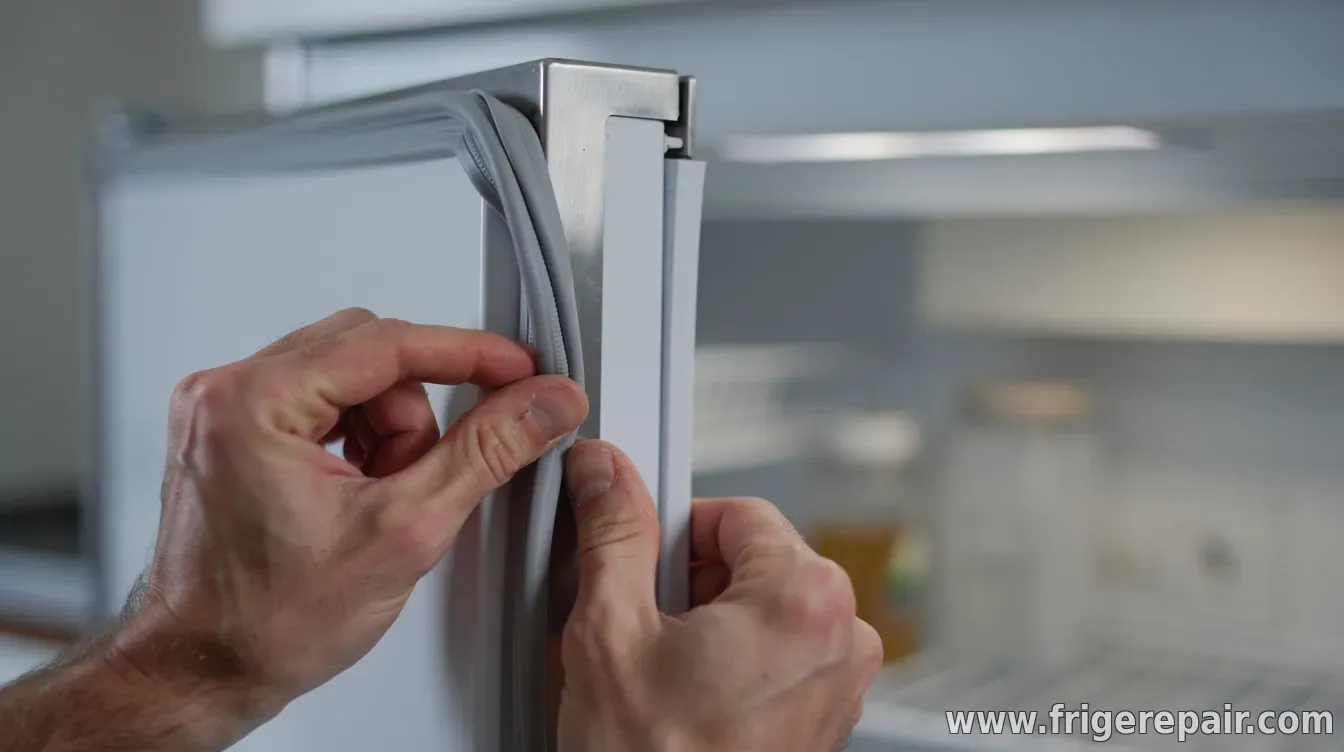 A refrigerator door that won’t seal can cause warm air to leak in, leading to higher energy bills and inconsistent temperatures. In many cases, the problem is the door gasket (the rubber seal) not fitting tightly due to grime, misalignment, damage, or aging. Step 1: Inspect the gasket and seatingStart with a visual check around the entire door perimeter. Look for tears, cracks, gaps, or sections that appear flattened or pulled out of their track. Also check the door’s corners—gaskets often fail there first. Step 2: Clean the seal and remove obstructionsFood residue, grease, and grime can prevent the gasket from making full contact. Clean the gasket with warm water and mild dish soap, then wipe dry. If there’s stuck debris in the gasket channel, gently remove it using a soft cloth or a non-abrasive tool. Next, confirm the door is closing smoothly. Small obstructions—like a shelf edge, an overfilled bin, or loose items—can keep the door from fully latching, even with a good gasket. Step 3: Test the seal with the “paper test”Close the door on a sheet of paper. If you can pull the paper out easily in multiple spots, that area is likely not sealing. Repeat along the perimeter to identify where the leak is occurring—this helps determine whether cleaning, realignment, or replacement is needed. For uneven sealing, inspect how the gasket sits in its groove. Sometimes the gasket can slip partially out of the channel, especially after cleaning or door movement. If it’s mis-seated, carefully press it back into place starting at the corners. Step 4: Address warping or stiff rubberIf the gasket feels hard, brittle, or permanently deformed, it may not flex enough to seal properly. In mild cases, warming the gasket can help it regain shape: use gentle warmth (for example, room-temperature warming or carefully following manufacturer guidance), then press the door closed for a short time to encourage proper seating. If you see cracking, visible tears, or the gasket won’t stay aligned after reseating, replacement is usually the most reliable fix. Step 5: Replace the gasket if necessaryTo replace the gasket, use the correct part number for your refrigerator model. Remove the old gasket (typically by pulling it from the door channel; some models may use clips or screws). Then install the new gasket evenly around the perimeter, ensuring it sits flush in the channel without twists. After installation, re-run the paper test and perform a quick temperature check. If the door still won’t seal, verify the refrigerator leveling and that the hinge side isn’t sagging—door alignment issues can mimic gasket problems. When in doubt, consult the refrigerator’s manual or the gasket replacement instructions for your exact model. Fixing gasket issues promptly helps maintain consistent cooling and prevents unnecessary wear on the compressor. | |
|
| |
Next & Previous posts
Related articles: