
3:48 AM Common Problems With Chest and Upright Freezers (and Fixes) |
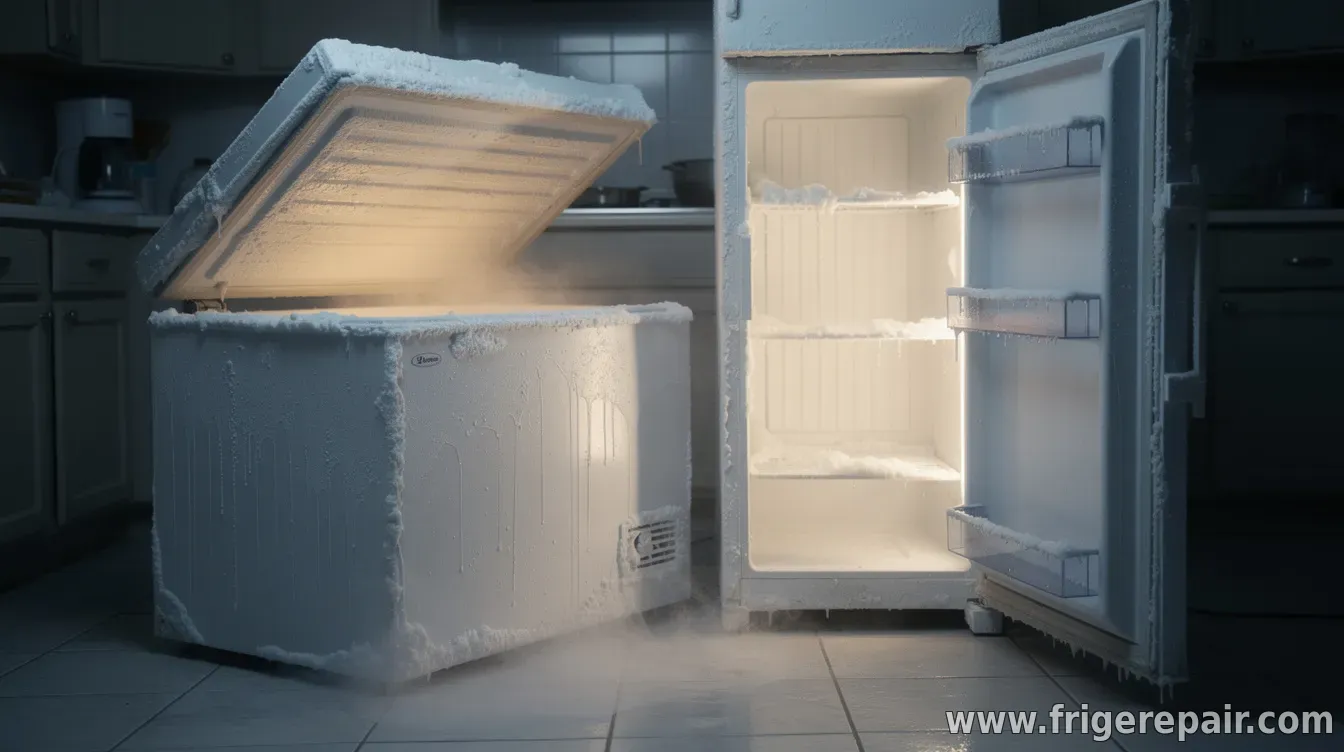 Chest freezers and upright freezers are designed for long-term food storage, but when something goes wrong the symptoms can be confusing. Whether your freezer is not staying cold, building excessive frost, or suddenly running louder than usual, a methodical check can often pinpoint the cause. Warm spots are the most common complaint. If the interior isn’t maintaining the right temperature, start with the basics: confirm the thermostat setting, verify the unit is plugged in securely, and check whether the door is closing fully. A thin layer of ice on the door gasket area or a warped gasket can let warm air in, causing the freezer to “work harder” without reaching target temperatures. Frost, ice, and airflow problemsExcessive frost is another frequent issue, especially in upright models. Some frost is normal, but heavy buildup can restrict airflow (in many upright designs with internal fans) or indicate a problem with the door seal. For chest freezers, frost often results from warm, humid air entering every time the lid is opened—reducing opening frequency and minimizing time the lid is open can help. If your freezer has a manual defrost mode, schedule defrosting before ice becomes thick enough to affect performance. If it has an auto-defrost feature and frost seems to be accumulating unusually fast, the defrost system (heater, timer/control board, or sensors) may be malfunctioning and may require service. Noise and vibrationNew sounds can be unsettling, but not all noise indicates a failure. Freezers commonly make compressor and fan noises during cycling. Persistent loud buzzing, grinding, or rattling—especially if the freezer is not level or is touching nearby surfaces—can be related to leveling, loose components, or fan obstruction. Check that the unit is level, the back is clear of walls, and nothing is blocking vents. Also watch for “running too often” behavior. If the compressor cycles continuously or barely cycles at all, temperature control may be off, the condenser may be dirty, or the airflow could be restricted. Regularly cleaning accessible vents and following the manufacturer’s guidance for condenser cleaning can improve cooling efficiency. Power use spikes and inconsistent temperaturesIf you notice higher electricity bills or inconsistent temperatures across shelves (upright) or corners (chest), the freezer may be struggling due to overpacking, frequent door openings, or poor ventilation around the exterior. Avoid blocking internal vents in upright models, and don’t cram items too tightly—cold air needs room to circulate. Finally, confirm that the temperature reads correctly. Built-in temperature displays can drift. If available, compare with an inexpensive freezer thermometer placed in the middle of the storage area for a more reliable check. When to stop troubleshooting and get help: If the freezer is not cooling after confirming power, the door seal, and airflow; if you suspect electrical issues (burning smells, repeated tripping breakers); or if the defrost system appears to be malfunctioning, contacting a qualified appliance technician can prevent further damage and reduce downtime. Most freezer problems can be traced back to door sealing, defrost/ice management, airflow restrictions, or temperature control settings. A quick “no-power/no-seal/no-air” checklist—followed by defrosting and cleaning where appropriate—often gets systems back on track. |
|
|
Next & Previous posts