7:40 AM How Long Leftovers Last in the Fridge (Food-by-Food) |
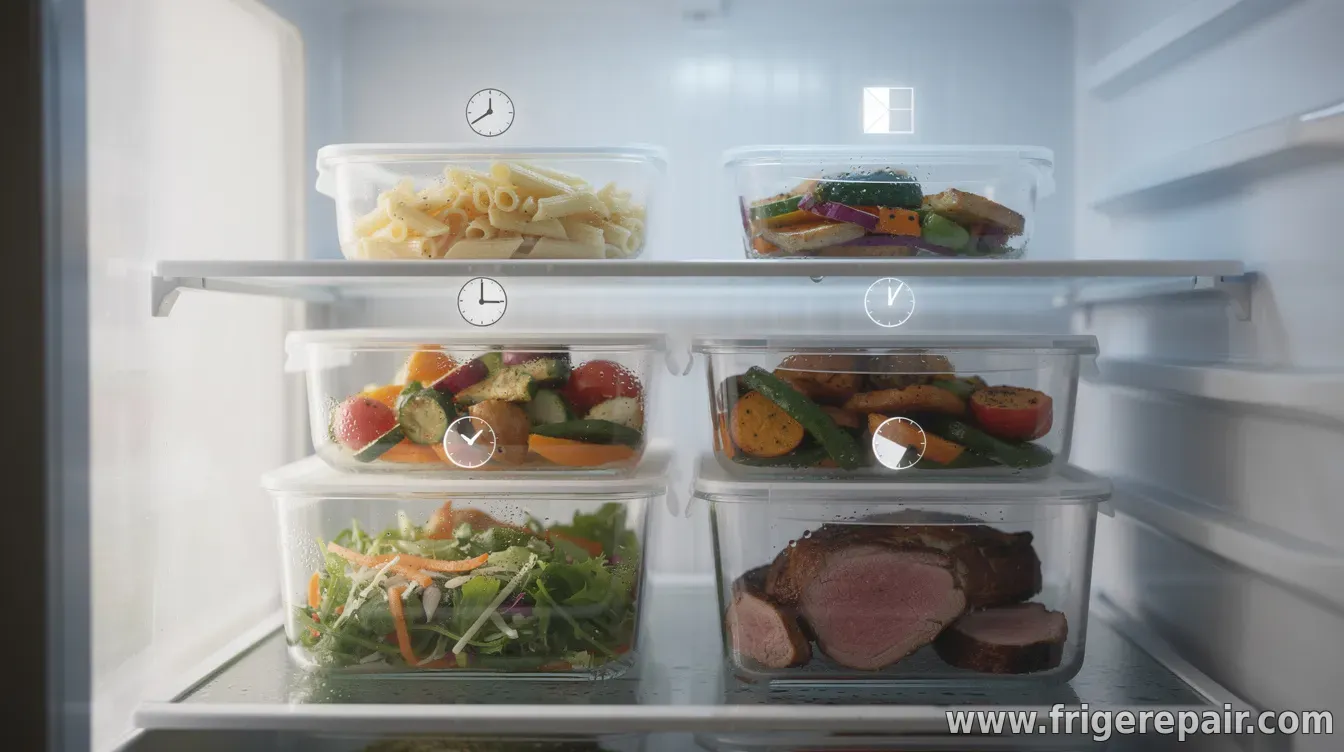 Knowing how long leftovers last in the fridge can help prevent foodborne illness and reduce waste. While exact timing varies by ingredients and how the food was handled before cooling, the ranges below reflect widely used food-safety guidance for refrigerator storage at about 40°F (4°C) or colder. Quick rule of thumbMost cooked leftovers should be eaten within 3–4 days. When in doubt, when it smells “off,” looks slimy, or you’re unsure how long it’s been stored, it’s safest to throw it out. Food-by-food fridge chartUse this as a practical reference for common leftover categories:
Note: Some items—especially those containing dairy or seafood—can spoil sooner than the upper end of a range, particularly if they weren’t cooled quickly after cooking or were stored in poorly sealed containers. How to make leftovers last (and stay safer)Two habits matter as much as the timeline: cooling speed and storage conditions. Refrigerate leftovers promptly, ideally within about 1–2 hours of cooking (sooner is better if your kitchen is warm). Once in the fridge, store food in shallow, airtight containers so it cools faster and reduces moisture loss. If you’re batch-cooking, portion food into smaller containers to speed up cooling. Reheating and “when to toss”Reheat leftovers until they’re steaming hot throughout. However, reheating doesn’t fix spoilage—if something is already unsafe, warming it again won’t make it okay. Toss leftovers if you notice unpleasant odors, slimy or tacky textures, mold, or if the food has been stored far beyond the recommended time window. When the timeline is unclear, follow the safer choice: discard. Freezing: the longer optionIf you won’t eat leftovers within the fridge window, freezing can extend their life. For best quality, freeze sooner rather than later, and label containers with the date. When thawing, use the refrigerator method when possible for steadier temperature control. Using a food-by-food guide—and sticking to smart cooling and storage practices—helps you turn leftovers into safe meals for the days ahead. |
|
|
Next & Previous posts
Related articles: